
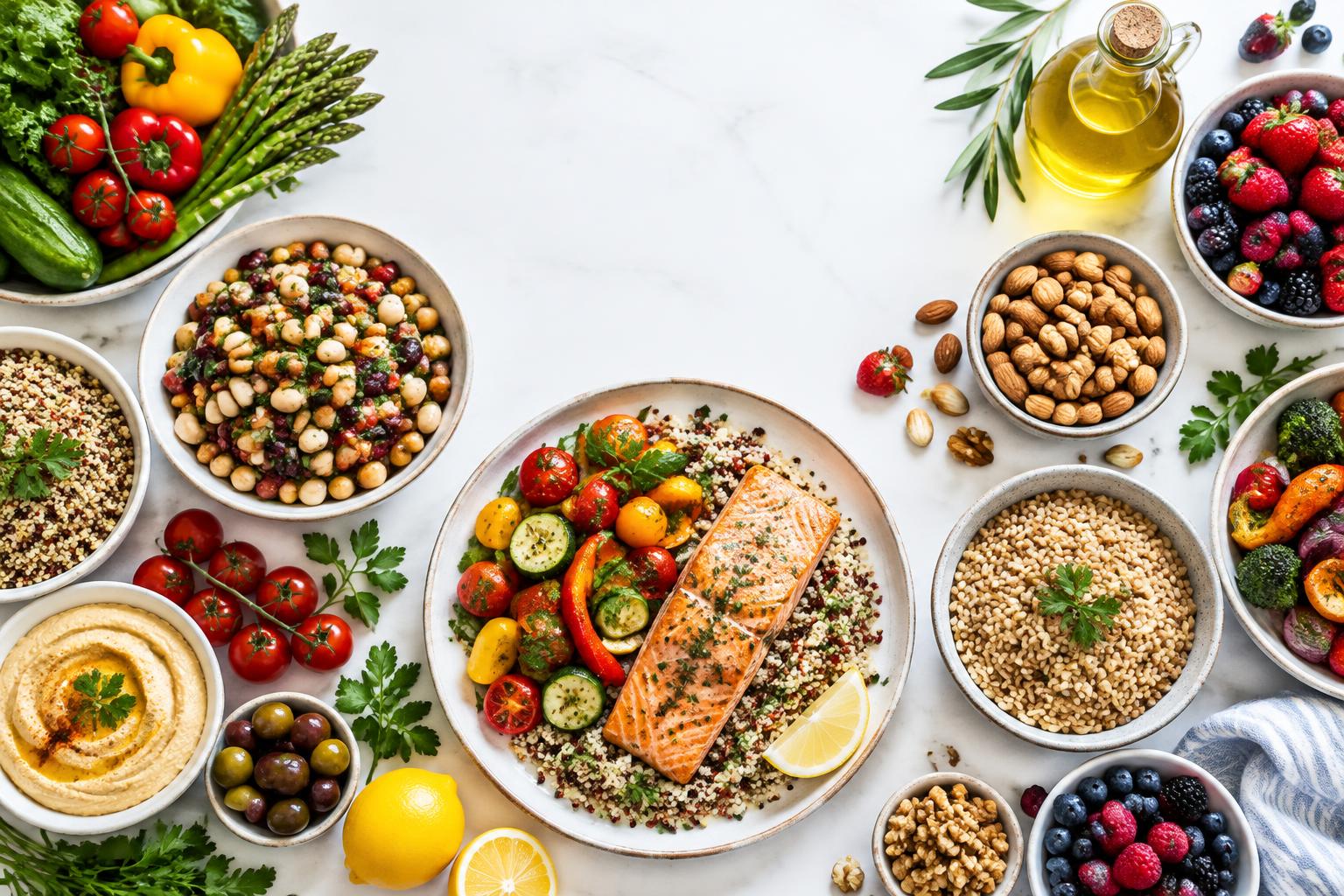
Featured Healthy Eating Topic
Healthy Heart, Calmer Inflammation
What the Research Shows About Food, Inflammation, and Heart Health
Inflammation is not automatically a bad thing. It is one of the body’s normal defense systems. When you cut your finger, fight an infection, or recover from an injury, inflammation helps the body respond. The concern is different when inflammation becomes chronic and continues when it is no longer serving that short-term purpose. Researchers have found important connections between chronic inflammation, atherosclerosis (plaque buildup in artery walls), and cardiovascular disease (disease of the heart and blood vessels). They have also studied whether healthier dietary patterns are associated with changes in measurable inflammatory markers. This page looks at what the research actually found.
Inflammation Is Part of the Body’s Defense System
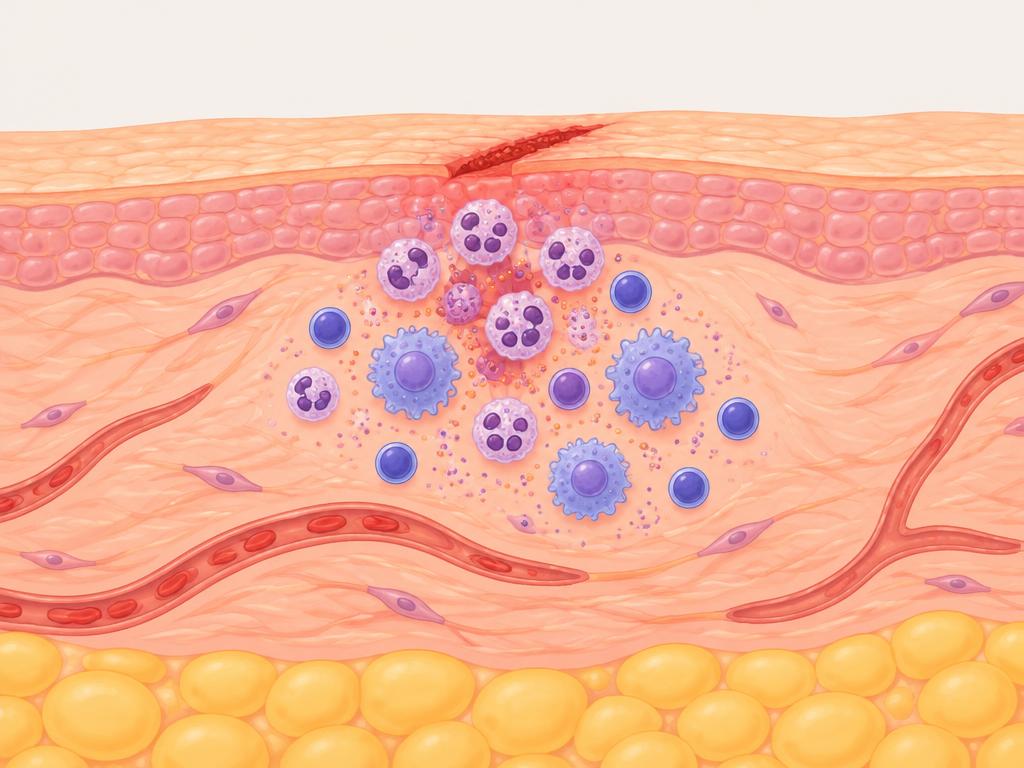
Inflammation is a normal biological response to injury, infection or tissue damage. Short-term inflammation can be useful: immune cells (the body’s defense cells) and chemical messages help coordinate a response.
Acute inflammation (a usually short-term response) is typically linked to a specific injury or challenge. Chronic inflammation (activity persisting over longer periods) may occur alongside chronic disease. Inflammation itself is not universally harmful.
- A cut finger → inflammatory response → healing.
- An infection → immune response → recovery.
- Exercise → short-term tissue response → repair.
Short term · acute
- Helpful response to a specific challenge
- Temporary
- Usually resolves
Long term · chronic
- May persist
- Can occur alongside chronic disease
- Associated with cardiovascular disease and other conditions
What Does Inflammation Have to Do With the Heart?
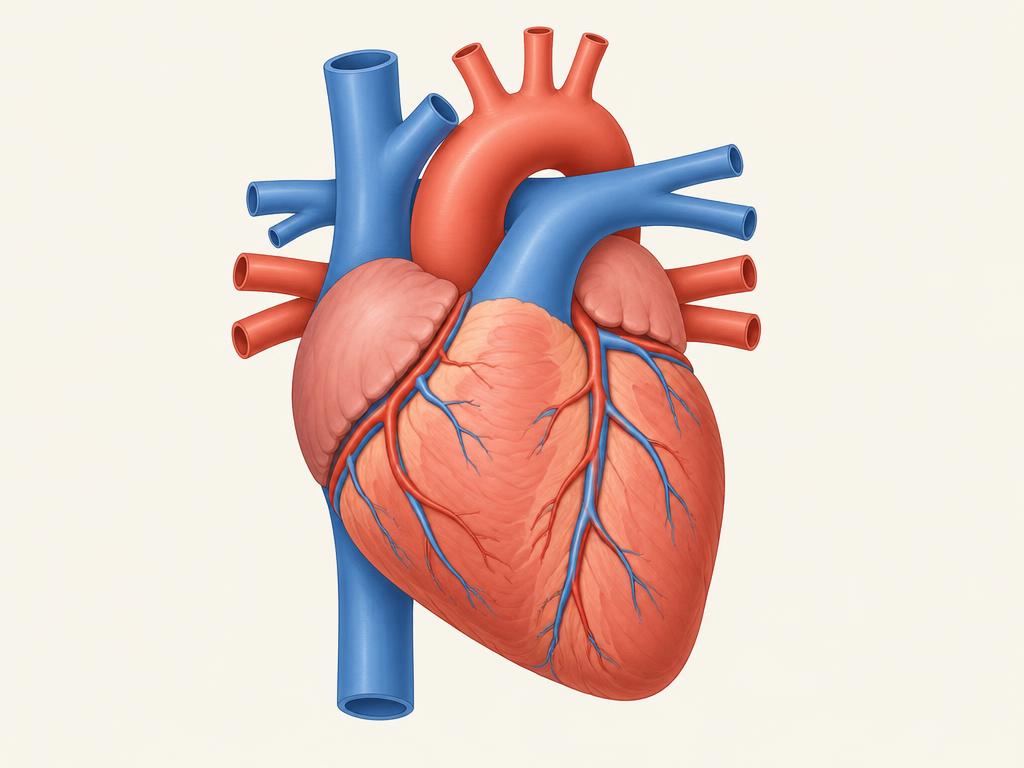
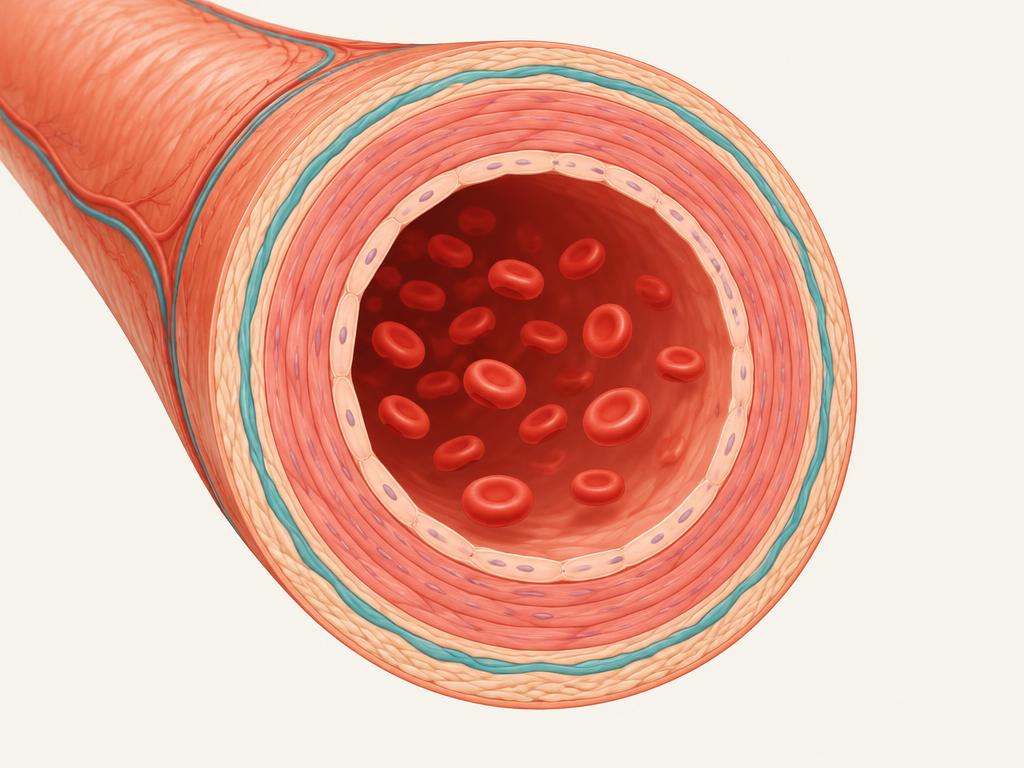
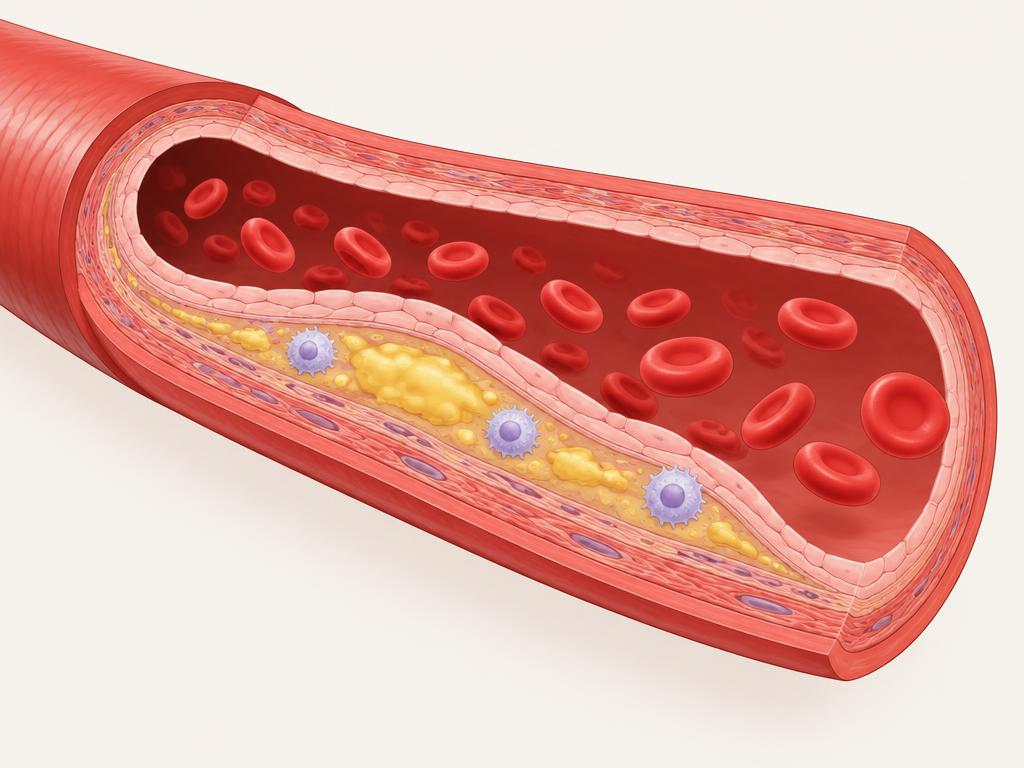
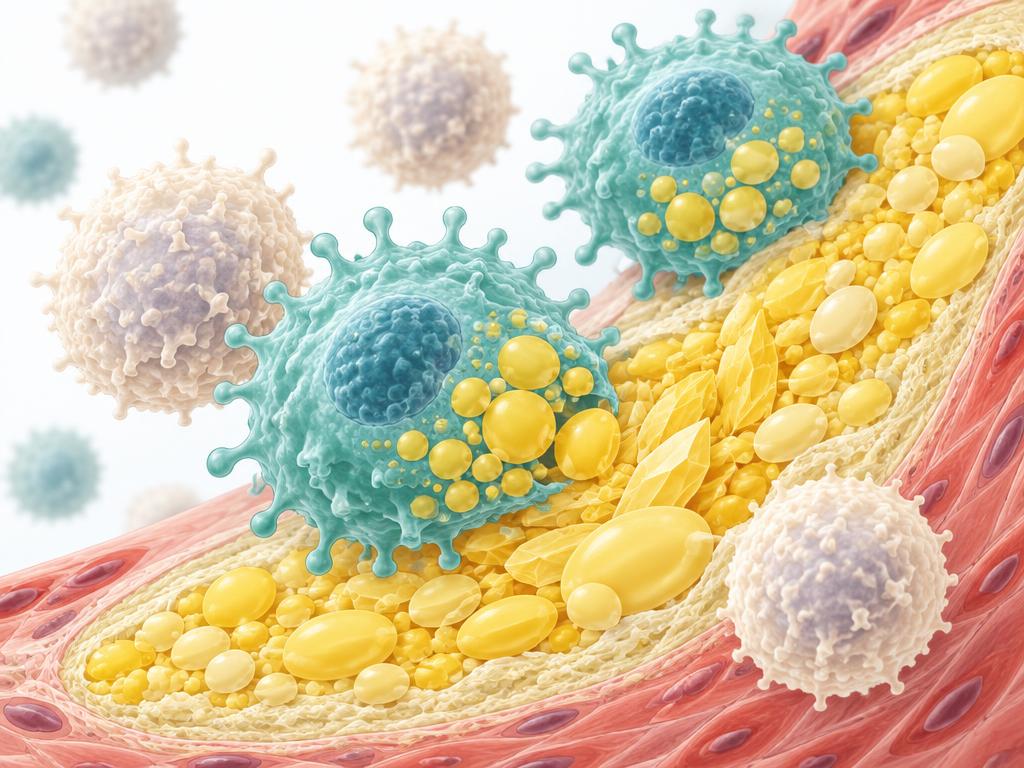
Cardiovascular disease is not simply “fat clogging a pipe.” Atherosclerosis (plaque buildup in artery walls) involves cholesterol-containing particles, artery-wall changes, immune cells, inflammatory signaling (chemical messages between cells) and plaque formation.
The American Heart Association explains that plaque can trigger an immune response that sends inflammatory cells to the area. Chronic inflammatory activity is involved in this biology. Researchers continue to study plaque development, plaque instability (a plaque becoming more likely to rupture), and cardiovascular events (such as heart attack or stroke).
Inflammation alone does not cause every heart attack. These pictures simplify biology; they do not show a person’s diagnosis.
- Healthy artery → cholesterol-containing material enters the artery wall → immune response → developing plaque → more complex plaque.
How Do Researchers Measure Inflammation?
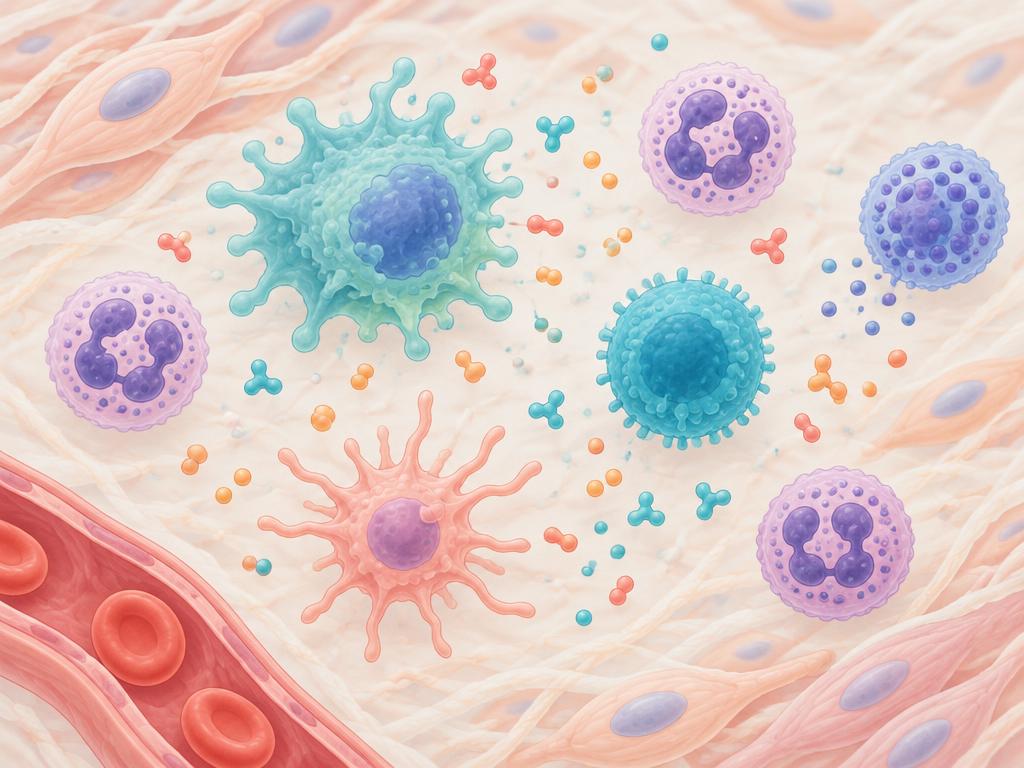
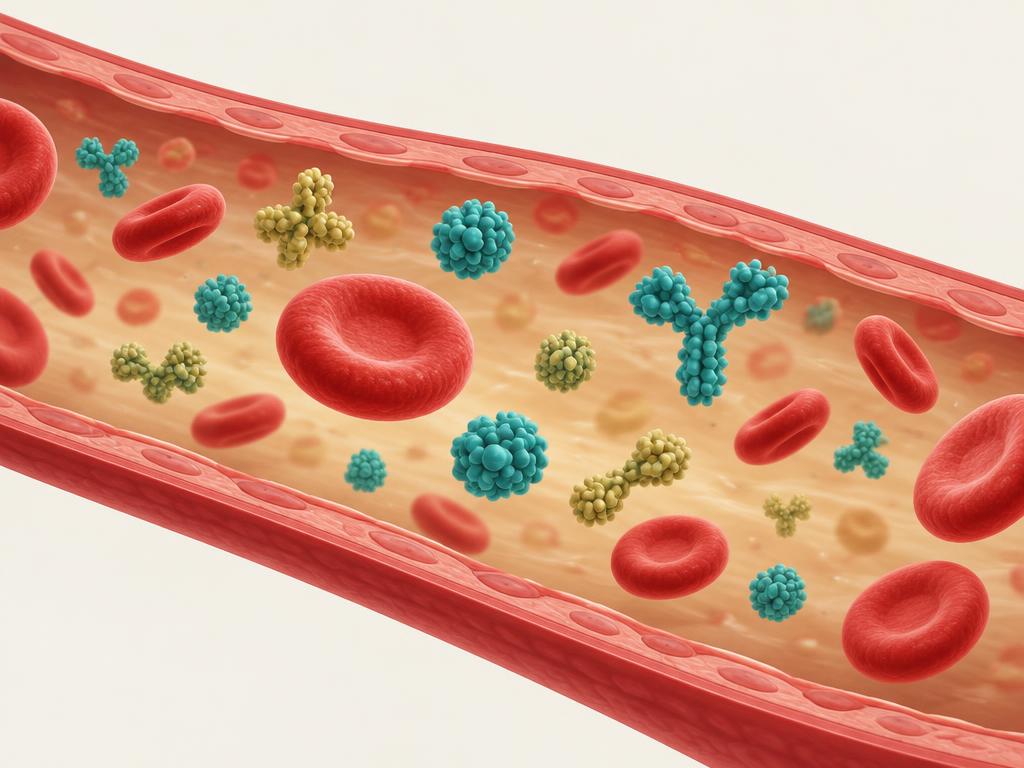
Inflammation is not one single number. Researchers commonly measure biomarkers (measurable biological signals) in blood. Some reflect activity throughout the body; others are signaling proteins involved in immune pathways.
A single marker does not tell the entire story of a person’s health. These are research and clinical measurements, not a home-diagnosis guide. Values can vary with infections, injuries and other conditions. Interpretation belongs in the context of personal medical care.
hs-CRP
High-sensitivity C-reactive protein
A blood marker commonly used in cardiovascular research to reflect systemic inflammatory activity (inflammation-related activity throughout the body).
IL-6
Interleukin-6
A signaling protein involved in immune and inflammatory responses.
TNF-α
Tumor necrosis factor alpha
Another inflammatory signaling molecule frequently studied in research.
IL-1β
Interleukin-1 beta
A signaling molecule involved in inflammatory pathways.
What Published Research Has Found
Different populations, comparisons and outcomes — not interchangeable results or promises for an individual.
Dietary research 1
Mediterranean Diet and Inflammatory Markers
2026 · Keshani et al., Nutrition Reviews
3,476 participants
33 randomized trials
Systematic review and meta-analysis (a structured review pooling trial results) of 33 randomized controlled trials involving 3,476 participants. Mediterranean dietary interventions were compared with control diets.
Statistically significant pooled reductions
hs-CRP ↓ · IL-6 ↓ · IL-17 ↓
No statistically significant overall effect
Standard CRP · IL-10 · TNF-α · total antioxidant capacity
Significant pooled reductions
- hs-CRP
- IL-6
- IL-17
Not significant overall
- CRP
- IL-10
- TNF-α
- total antioxidant capacity
Dietary research 2
Three Years of Mediterranean-Style Eating
2021 · Casas et al., PREDIMED biomarker analysis
285 participants
285 adults at high cardiovascular risk were assigned to Mediterranean diet + extra-virgin olive oil, Mediterranean diet + nuts, or a low-fat comparison diet. Biomarkers were measured over three years.
Mediterranean + extra-virgin olive oil
Within-group decreases in 10 of 14 measured plasma markers.
Mediterranean + nuts
Within-group decreases in 10 of 14 measured plasma markers.
Compared with low-fat diet
Changes differed significantly for IL-1β, IL-6, IL-8 and TNF-α.
Dietary research 3
Inflammatory Markers at 3 and 5 Years
2016 · Long-term PREDIMED analysis
165 participants
165 adults at high cardiovascular risk, without overt cardiovascular disease (clinically evident disease), were assigned to Mediterranean diet + olive oil, Mediterranean diet + nuts, or low-fat diet. Follow-up was at three and five years.
Mediterranean + olive oil
At least 16% lower concentrations versus baseline for hs-CRP, IL-6, TNF-α and MCP-1.
Reported minimum reduction versus baseline — not overall inflammation.
Mediterranean + nuts
At least 16% lower concentrations versus baseline for the same markers.
Reported minimum reduction versus baseline — not overall inflammation.
Low-fat comparison
No significant within-group change for these markers reported.
Both Mediterranean groups · at 3 and 5 years · hs-CRP, IL-6, TNF-α, MCP-1
At least 16% lower concentrations; not overall inflammation or heart-attack risk.
Medication trial — NOT a diet study
Inflammation Is More Than a Laboratory Curiosity
2020 · CANTOS total cardiovascular event analysis
10,061 participants
CANTOS tested canakinumab (a targeted anti-inflammatory medication), NOT DIET, in 10,061 people with prior myocardial infarction (heart attack) and elevated hs-CRP. Median follow-up was 3.7 years.
Placebo
10.4 serious cardiovascular events per 100 person-years.
Canakinumab 50 mg
8.4 events per 100 person-years.
Canakinumab 150 mg
8.3 events per 100 person-years.
Canakinumab 300 mg
8.2 events per 100 person-years.
Medication trial; includes first and repeat events. Scale starts at zero.
What the Research Shows at a Glance
| Study | Intervention | Result | Important context |
|---|---|---|---|
| Mediterranean Diet and Inflammatory Markers | Mediterranean dietary patterns | Some markers improved — not all | 3,476 participants / 33 randomized trials · Biomarker outcomes |
| Three Years of Mediterranean-Style Eating | Mediterranean dietary patterns | 4 markers differed from the comparison diet | 285 participants · Biomarker outcomes |
| Inflammatory Markers at 3 and 5 Years | Mediterranean dietary patterns | ≥16% lower for several measured markers | 165 participants · Biomarker outcomes |
| Inflammation Is More Than a Laboratory Curiosity | Anti-inflammatory medication — NOT diet | Lower total serious cardiovascular event rates | 10,061 participants · Total cardiovascular events |
What the Evidence Means — and What It Doesn’t
What the research supports
- Chronic inflammation is involved in cardiovascular disease biology.
- Healthy dietary patterns can influence some inflammatory biomarkers.
- Mediterranean patterns have some of the strongest dietary evidence.
- Overall pattern matters more than searching for one “anti-inflammatory” food.
- Cardiovascular health depends on many interacting factors.
What the research does not prove
- One food does not eliminate inflammation.
- Everyone will not have the same response.
- Inflammation is not the only cause of cardiovascular disease.
- Diet should not replace prescribed medication.
- Lowering one biomarker does not guarantee prevention of a heart attack.
- “Anti-inflammatory” supplements are not established substitutes for healthy dietary patterns.
What the Research-Based Pattern Actually Looks Like
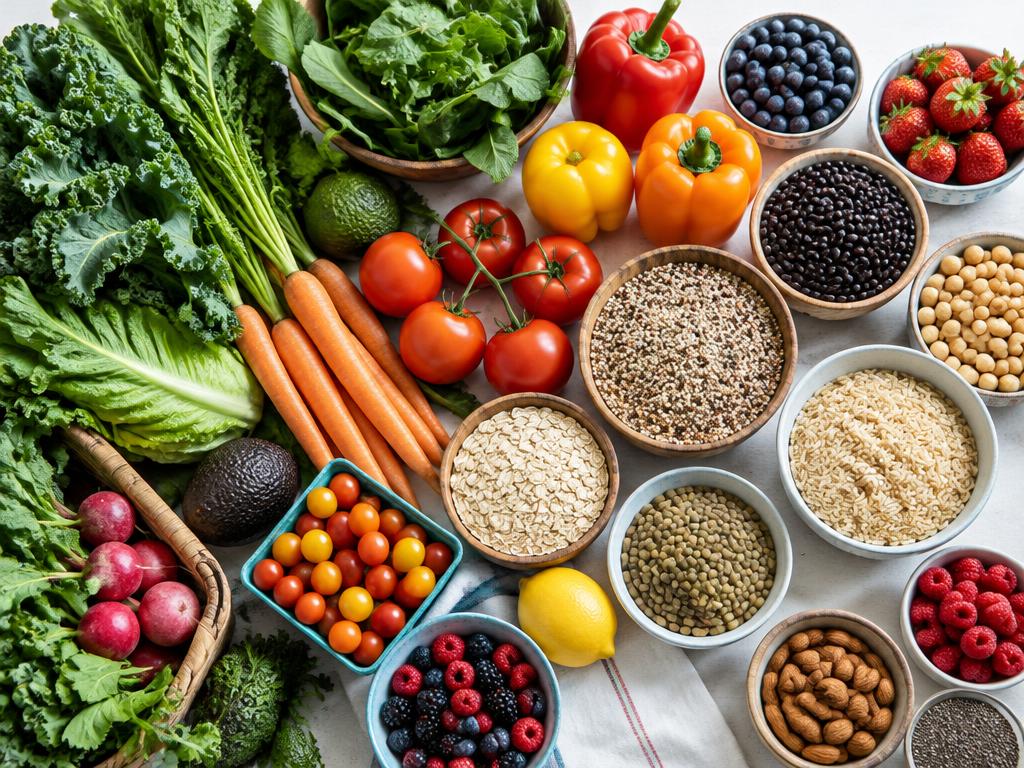
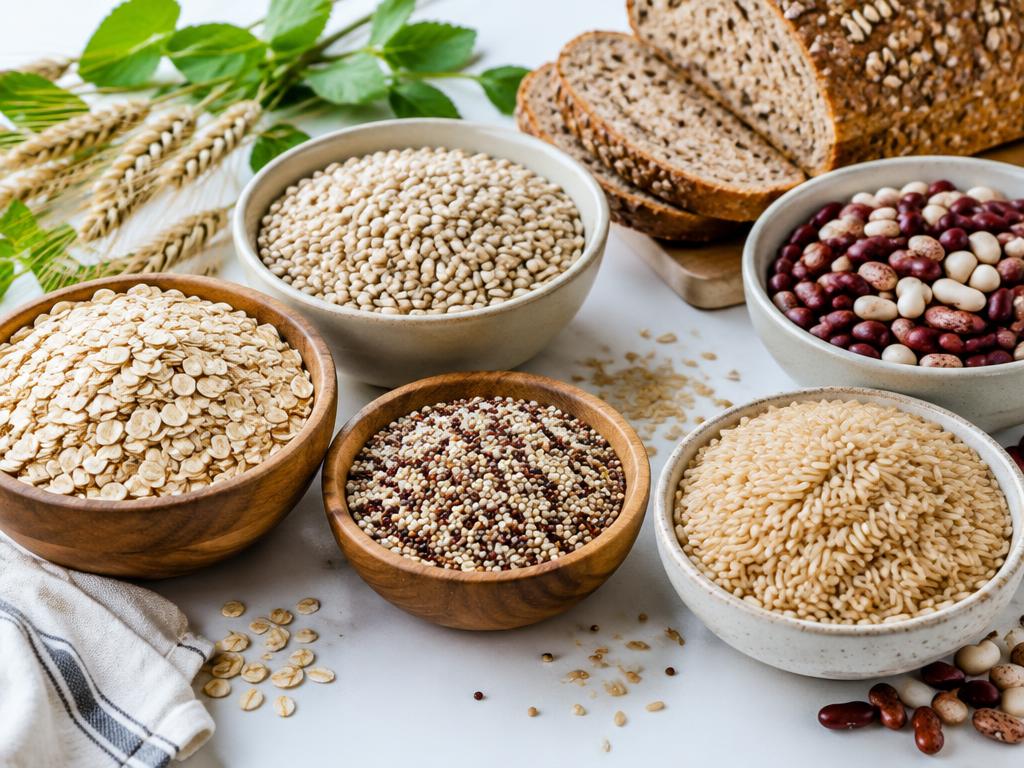
The underlying principles work across many cuisines. You do not need one exact Mediterranean menu. AHA’s 2026 guidance emphasizes an overall pattern: vegetables, fruit, whole grains, healthy protein sources, unsaturated fats in place of saturated fats, minimally processed foods, and less added sugar and sodium.
- Vegetables: leafy greens, peppers, tomatoes, broccoli, carrots and squash.
- Fruit: berries, citrus, apples and pears.
- Legumes (beans, lentils and chickpeas): flexible plant-protein choices.
- Whole grains: oats, barley, quinoa, brown rice and whole-grain breads.
- Unsaturated fat sources: olive oil, nuts, seeds and avocado.
- Protein sources: fish, beans, lentils and poultry where appropriate.
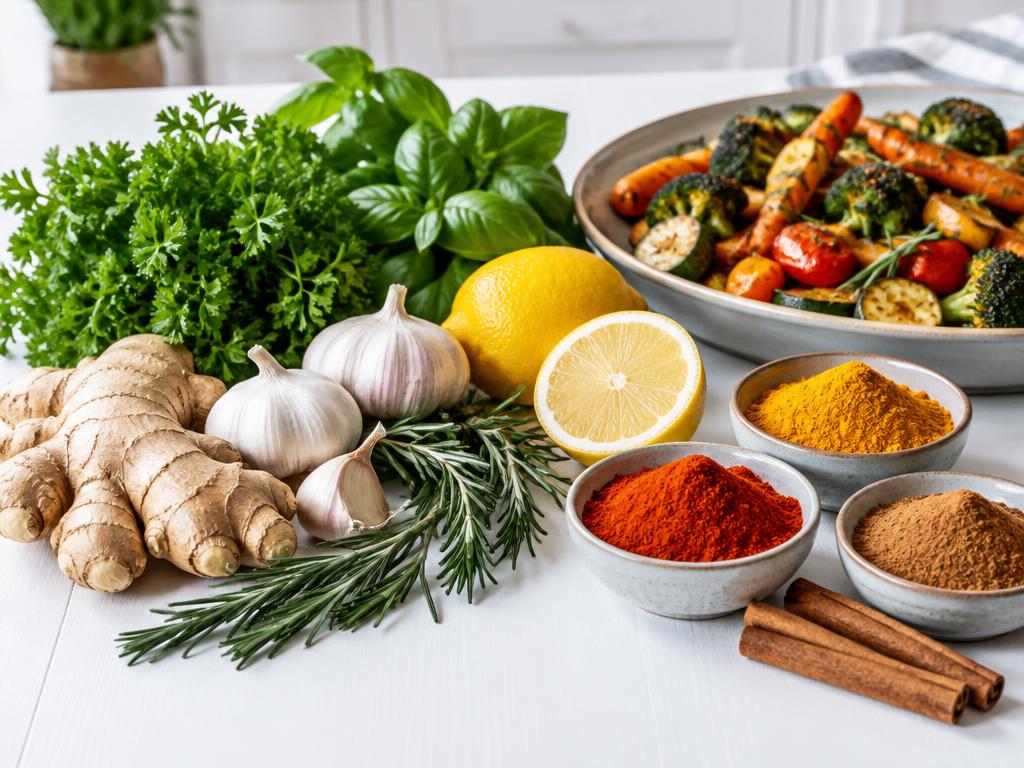
- Herbs and spices: garlic, ginger and favorite seasonings.
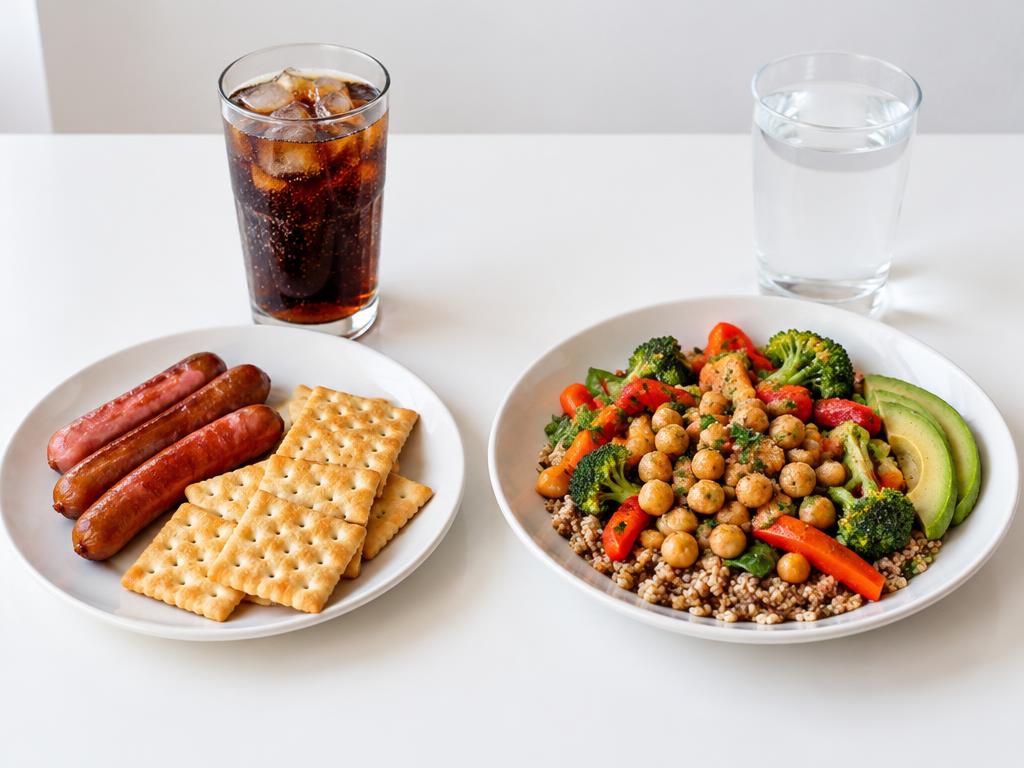
More Often / Less Often
More Often
- Vegetables
- Fruit
- Beans and lentils
- Whole grains
- Nuts and seeds
- Fish
- Olive oil and other unsaturated fat sources
- Minimally processed foods
Less Often
- Heavily processed meats
- Heavily refined snack foods
- Foods high in added sugars
- Foods high in saturated fat
- Frequent high-sodium convenience meals
- Sugar-sweetened beverages
Why Food Processing Matters
Food processing exists on a spectrum. Not all processed food is unhealthy: frozen vegetables, canned beans, plain yogurt, whole-grain bread and canned fish can be useful choices.
The concern is frequent reliance on highly or ultra-processed foods (industrial formulations that often include ingredients uncommon in home cooking) that may contain more sodium, added sugars, refined starches or saturated fat. Not every item has the same nutrient profile.
AHA’s 2026 guidance favors minimally processed foods over ultra-processed foods. Check the actual nutrients and the overall pattern rather than treating all packaged food as harmful.
One Superfood — or a Consistent Healthy Pattern?
MYTH: “There must be one food that fights inflammation.”
REALITY: Research generally studies overall dietary patterns. Berries, olive oil, nuts, vegetables, fish, whole grains and beans may be part of those patterns. No single food is a cure or treatment.
A consistent collection of choices matters more than a superfood headline. Supplements marketed as “anti-inflammatory” are not interchangeable with the dietary interventions studied here.
Does Sugar Cause Inflammation?
Added sugars can contribute to poorer overall diet quality and excess calorie intake. Current heart-health guidance limits foods and beverages high in added sugars.
That does not mean sugar directly inflames your arteries every time you eat it. Patterns high in added sugars and highly processed foods are generally less aligned with heart-healthy recommendations. Keep the focus on the overall pattern, not fear of an isolated bite.

What About Saturated Fat?
AHA guidance favors replacing some sources of saturated fat (the fat common in butter and fatty processed meats) with unsaturated fats (the fats common in olive oil, nuts, seeds, fish and avocado).
Teach substitution rather than elimination: instead of frequent butter or fatty processed meats, use olive oil or include nuts, seeds, fish and avocado more often. Fat itself is not universally inflammatory.
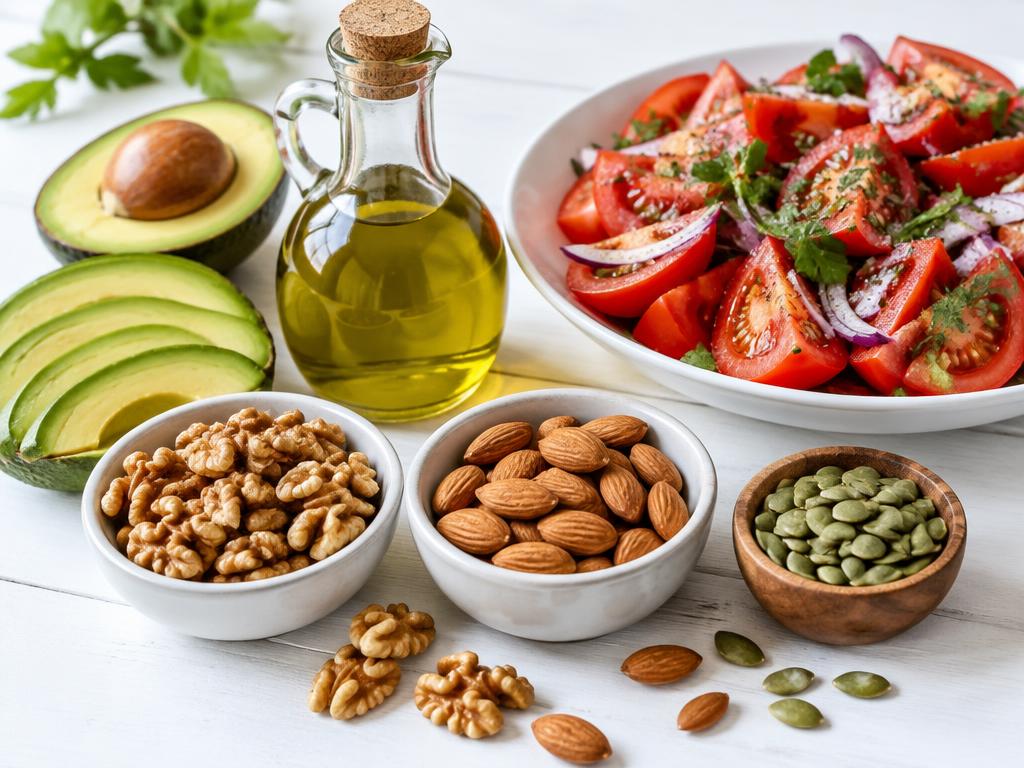
Fiber Is One Reason Whole Foods Matter
Heart-healthy patterns tend to be rich in fiber (the part of plant foods that supports digestion). Beans, lentils, vegetables, fruit, whole grains, nuts and seeds bring fiber along with other nutrients.
These foods can help build fuller meals and support overall diet quality. Fiber alone does not “remove inflammation.”
What Could This Look Like on Your Plate?
Illustrative meal ideas, not the trial menus or a personal treatment plan.
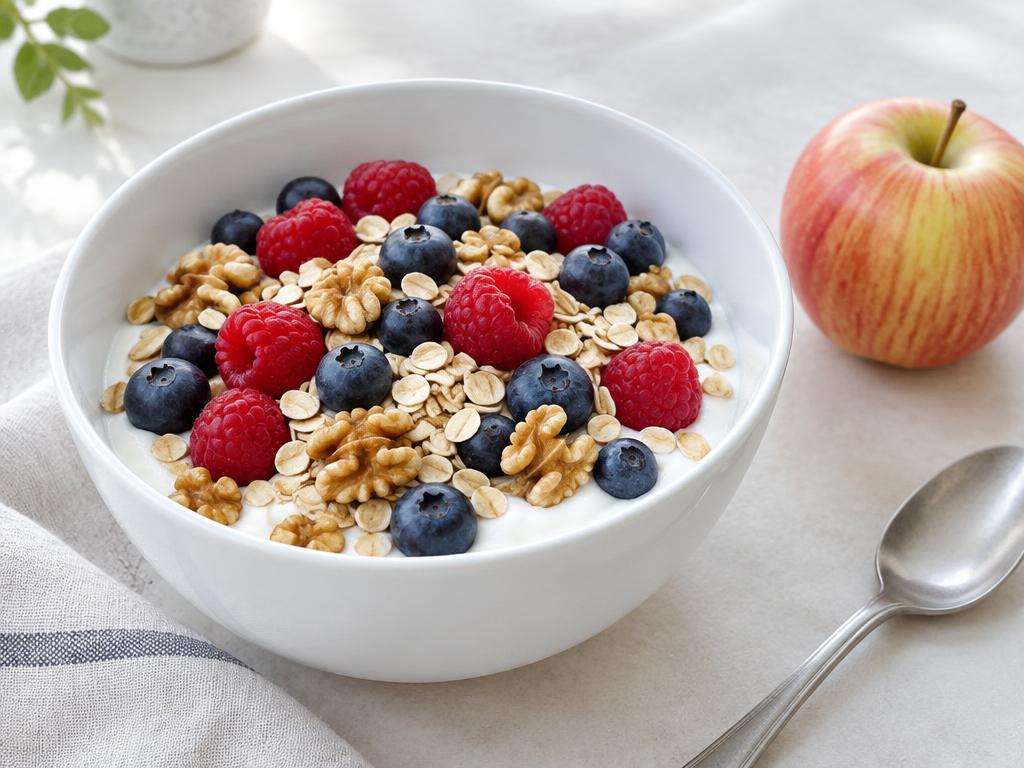
Breakfast
Oatmeal, berries, walnuts and plain yogurt.
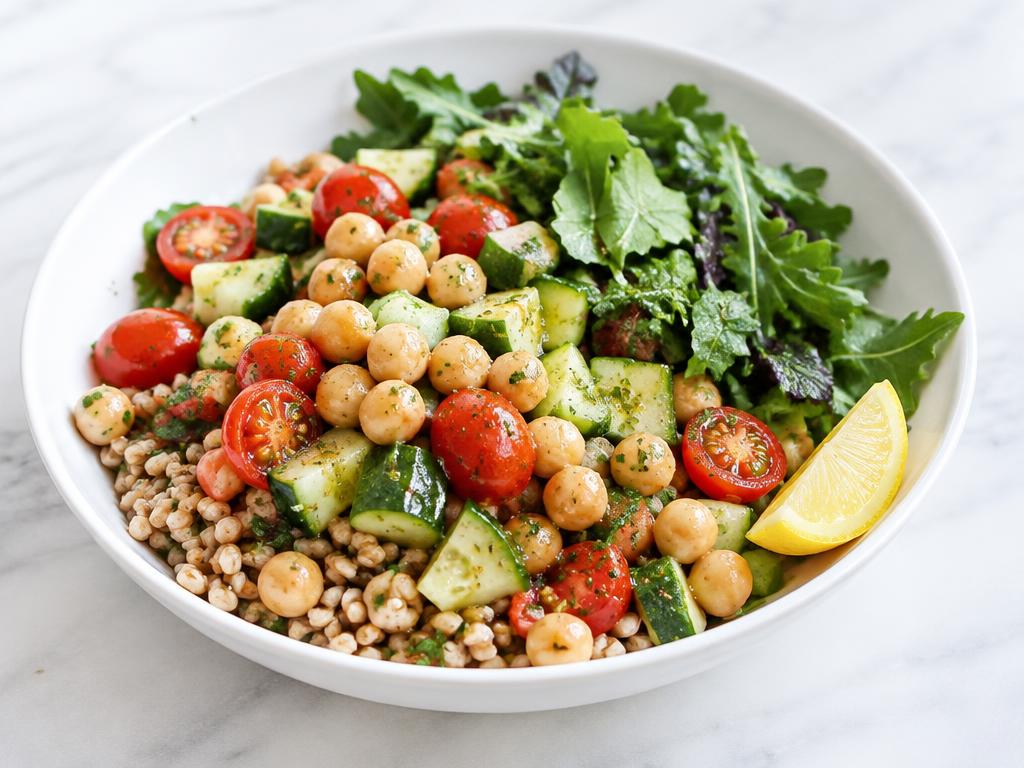
Lunch
A whole-grain bowl with chickpeas, tomatoes, greens, olive oil and lemon.
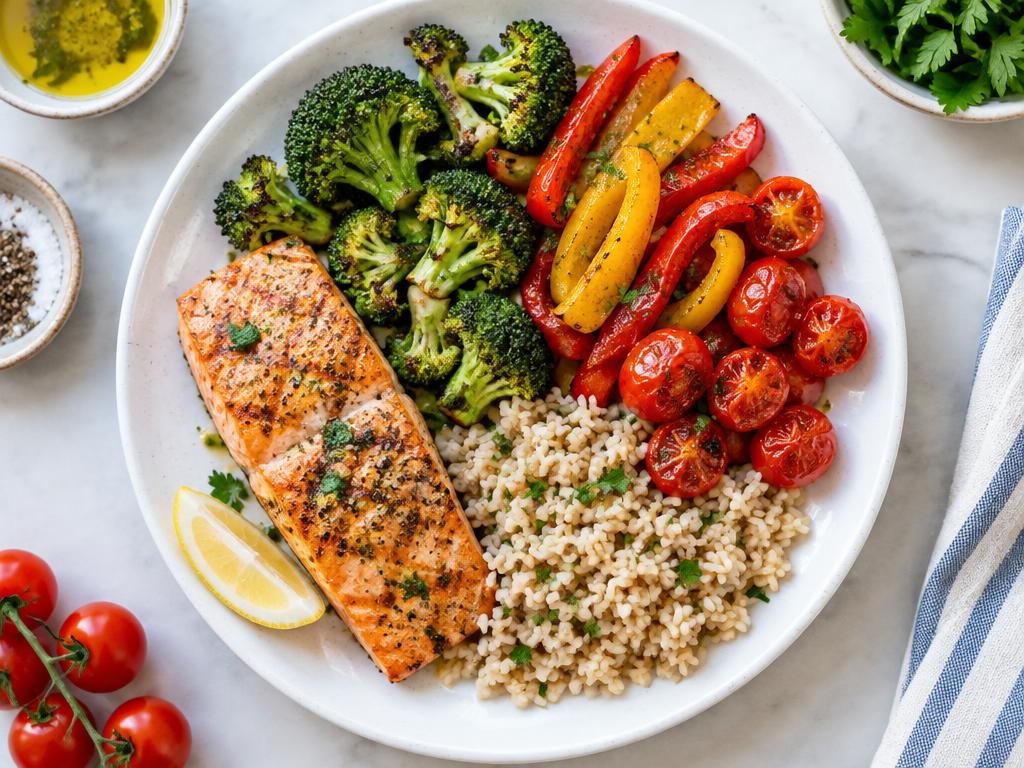
Dinner
Grilled salmon, roasted vegetables, brown rice or quinoa.
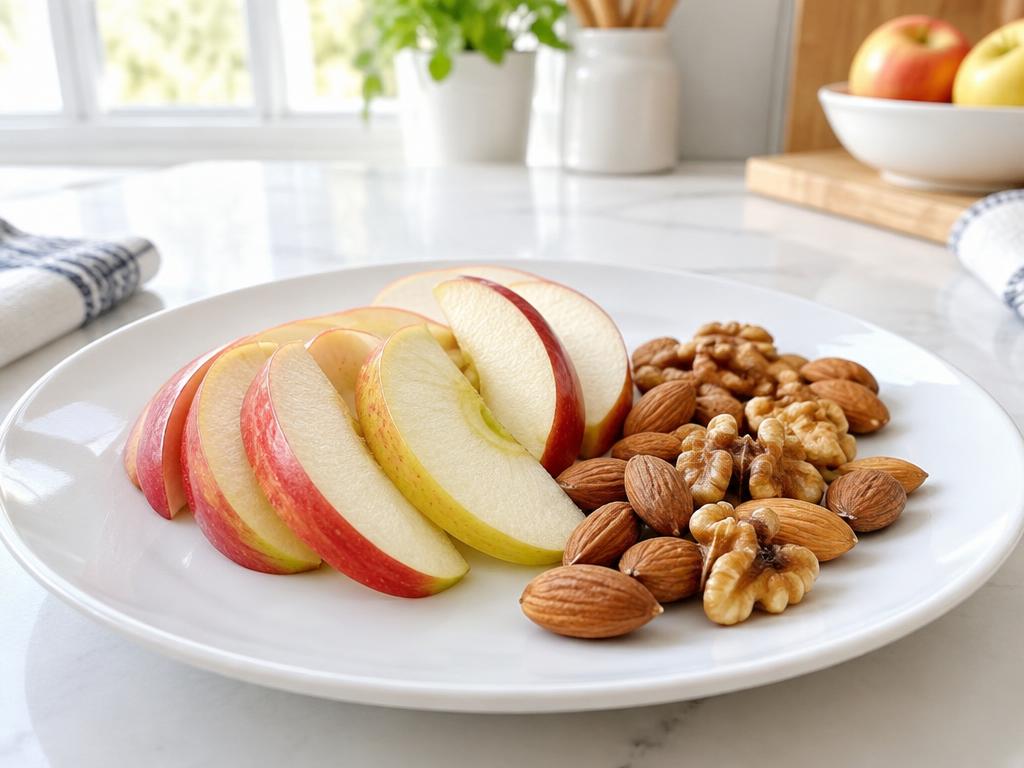
Snack
An apple and unsalted nuts.
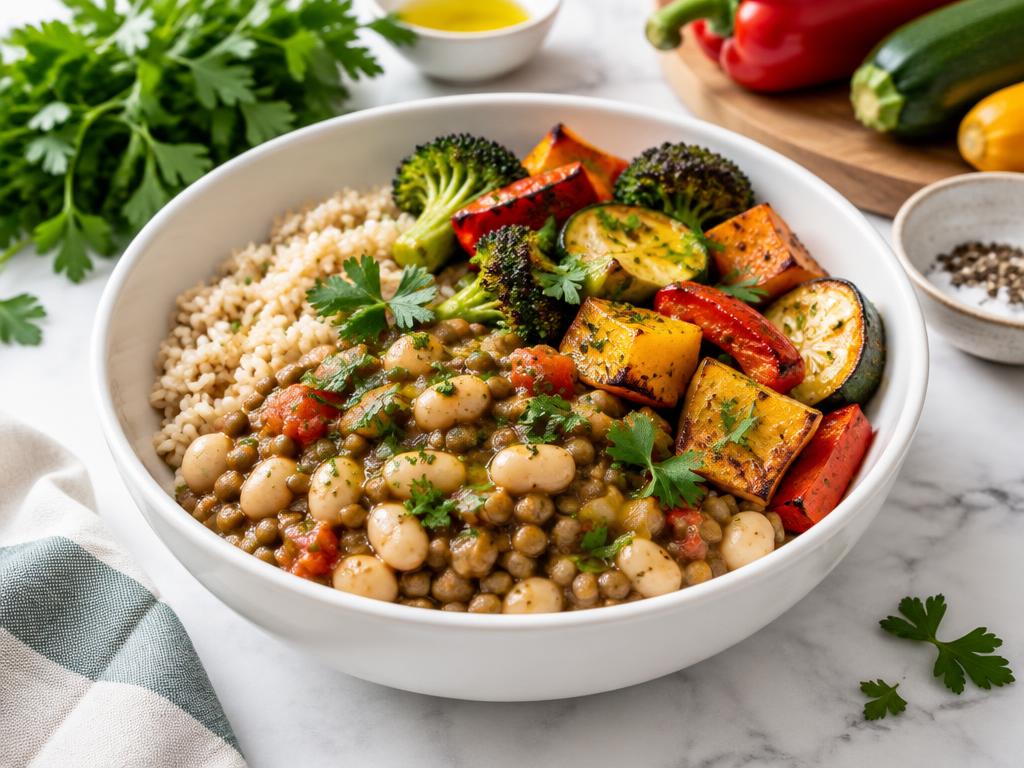
Plant-based dinner
Lentils, roasted vegetables, a whole grain and fresh herbs.
Seven Everyday Shifts
Choose an achievable change, not a strict diet plan. Repeatable choices can be more useful than trying to change everything at once.
- Add another vegetable.
- Choose whole grains more often.
- Use beans and lentils regularly.
- Replace some saturated fats with unsaturated fats.
- Include nuts and seeds in sensible portions.
- Choose minimally processed foods more often.
- Reduce frequent foods high in sodium and added sugars.

Inflammation Isn’t Only About Food
Inflammatory and cardiovascular health can be influenced by many factors. A person’s inflammation is not simply caused by what they eat. Medical conditions, circumstances and genetics matter too.
- Smoking, physical inactivity and excess body weight.
- Diabetes, high blood pressure and cholesterol levels.
- Sleep, infections and autoimmune conditions (conditions in which the immune system attacks the body’s own tissues).
- Genetics and other medical conditions.
Key Takeaways
- Inflammation is a normal part of the body’s defense system.
- Chronic inflammation is involved in cardiovascular disease biology.
- Researchers measure several different biomarkers, not one inflammation score.
- Mediterranean dietary patterns improved some markers in randomized studies.
- Not every inflammatory marker improves in every study.
- Overall pattern matters more than a single “anti-inflammatory” food.
- Healthy eating is one part of the larger cardiovascular-health picture.
Scientific References
Research sources checked 2026-10-25 · General education, not a claim of professional medical review.
- American Heart Association: Inflammation and Heart Disease
- American Heart Association: 2026 Dietary Guidance to Improve Cardiovascular Health
- 2026 · Keshani et al., Nutrition Reviews · Mediterranean Diet and Inflammatory Markers · PMID 41211687
- 2021 · Casas et al., PREDIMED biomarker analysis · Three Years of Mediterranean-Style Eating · PMID 34440065
- 2016 · Long-term PREDIMED analysis · Inflammatory Markers at 3 and 5 Years · PMID 27440261
- 2020 · CANTOS total cardiovascular event analysis · Inflammation Is More Than a Laboratory Curiosity · PMID 33004131
- Original CANTOS trial: Antiinflammatory Therapy with Canakinumab for Atherosclerotic Disease (2017)
Explore Related Healthy Eating Topics
Inflammation is far more complicated than a list of foods to eat or avoid. What the research does show is that consistent, heart-healthy eating patterns can be associated with measurable improvements in several important inflammatory markers. You don’t need one miracle food. A collection of better everyday choices can create a healthier overall pattern. Healthy Heart Choices is here to help make those choices easier, one meal at a time.