
Featured Healthy Eating Article
Healthy Heart, Healthy Arteries
What the Research Shows About Food Patterns and Plaque Progression
Plaque buildup in the arteries, called atherosclerosis (hardening and narrowing of the arteries), can narrow blood vessels and raise the risk of serious cardiovascular events (heart problems such as heart attack or stroke). Research has examined whether healthier eating patterns and broader lifestyle changes can influence how quickly plaque progresses — and in some studies, whether signs of artery disease may improve.
This page does not make treatment claims. It simply presents what published research has found.
This page is for education and should not be used as medical advice or a substitute for care from your healthcare professional.
What Is Plaque Buildup?
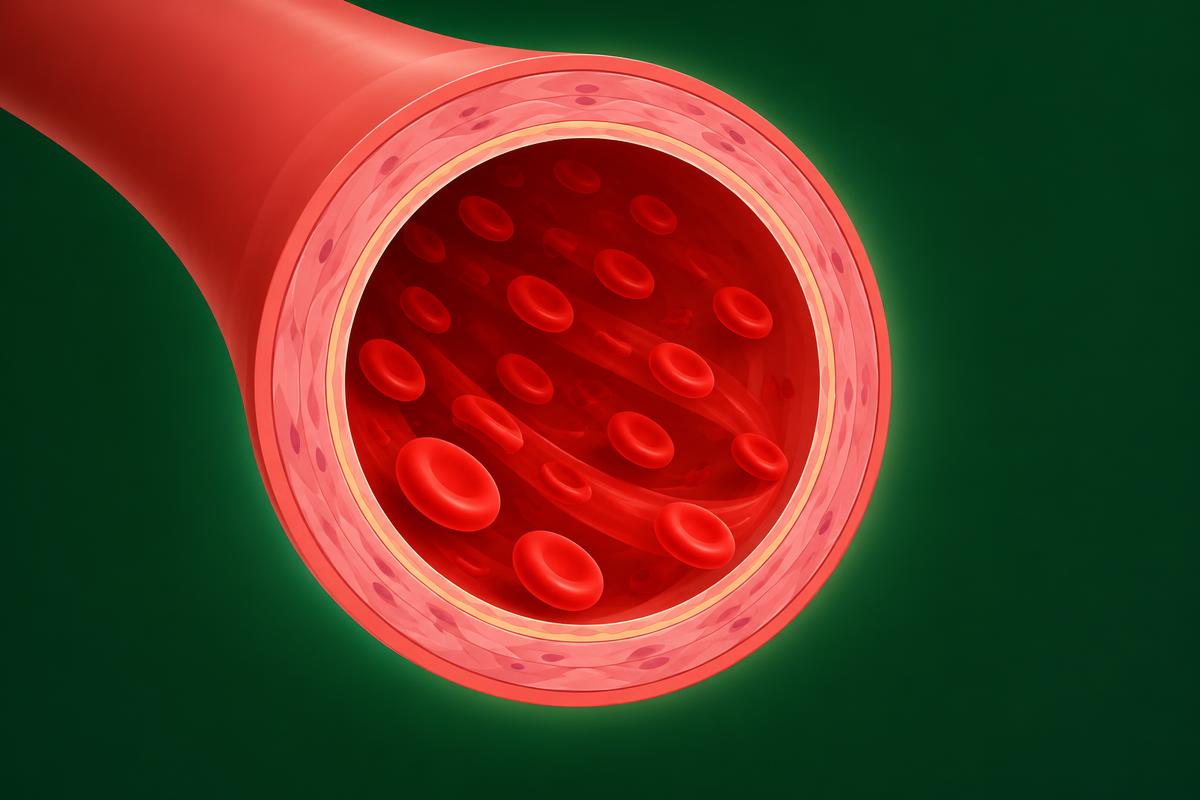
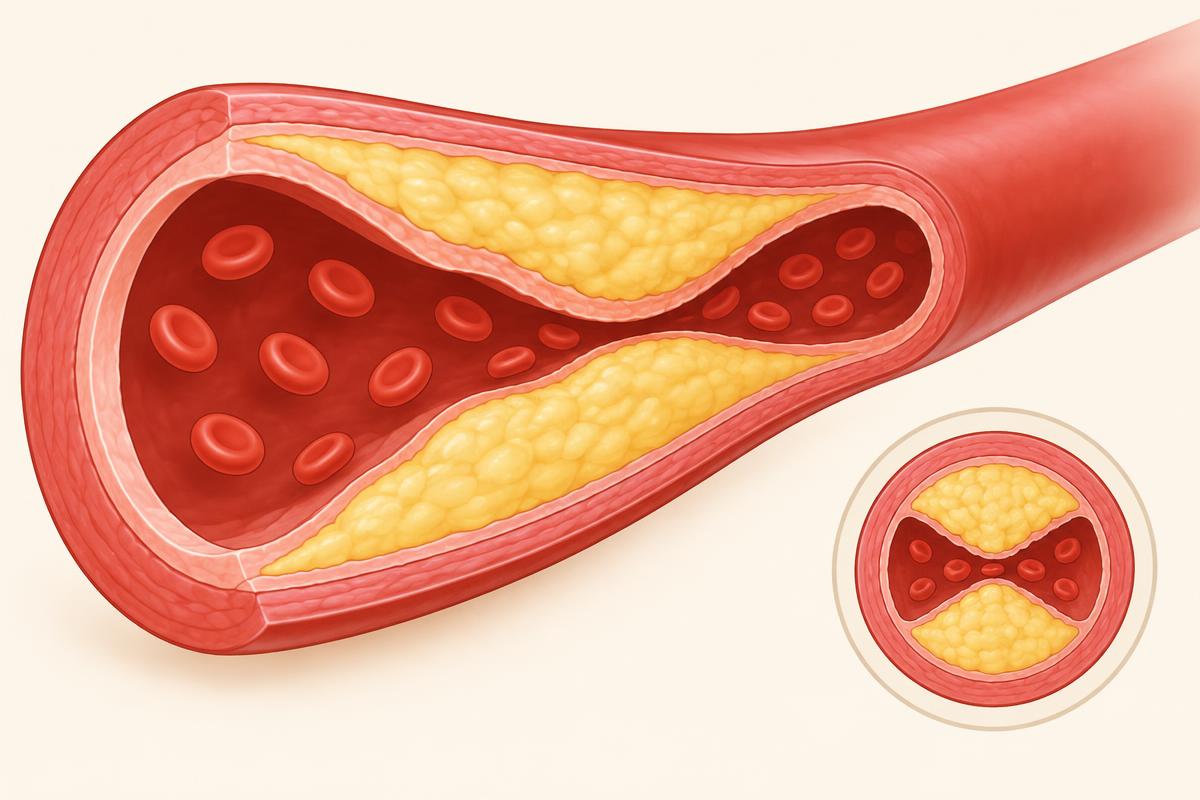
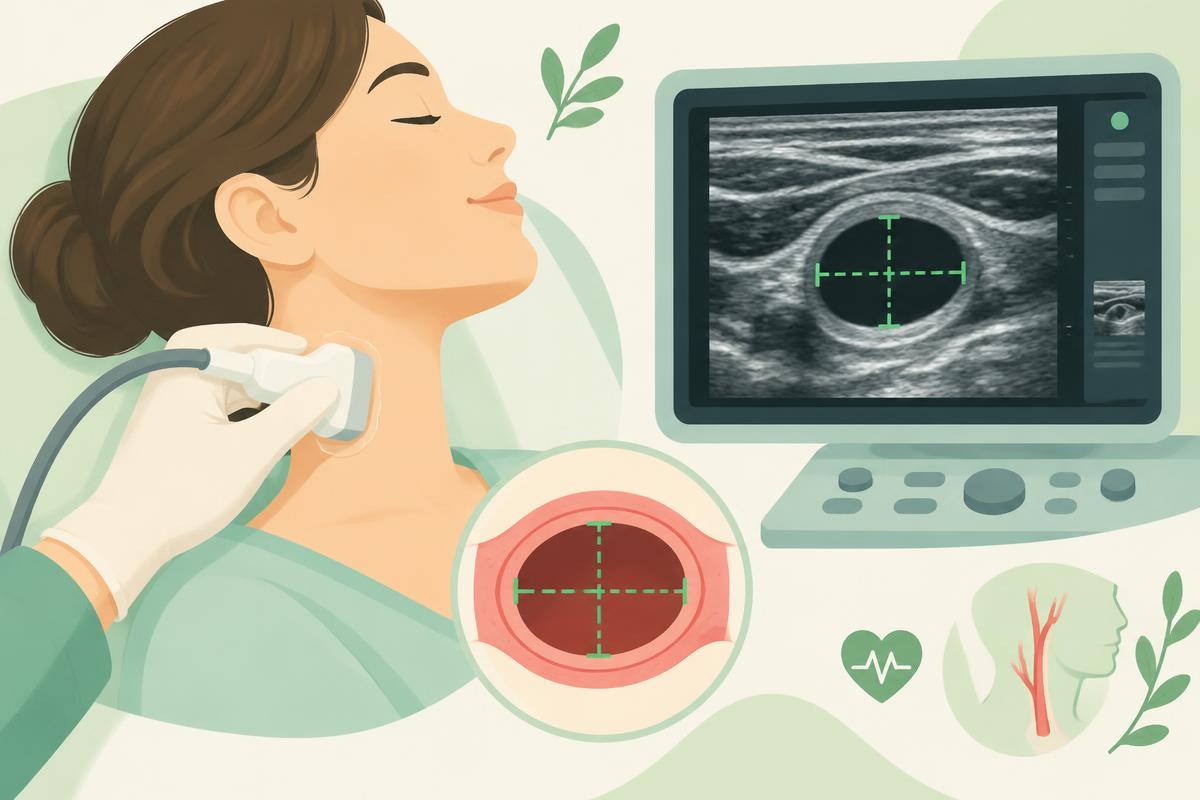
Atherosclerotic plaque (fatty buildup inside the artery wall) forms when cholesterol, inflammatory cells (cells from the body's defense system), and other materials build up in artery walls. Over time, this can narrow the artery. Plaque and artery-wall changes are often measured in studies using imaging techniques such as coronary angiography (an X-ray test of the heart's arteries) or carotid ultrasound (a painless sound-wave scan of the neck arteries).
How Researchers Measure Change
Studies do not all measure “plaque” the same way.
- Coronary angiography (an X-ray test of the heart's arteries) can measure artery narrowing, often reported as percent diameter stenosis (the percentage of the artery opening that is blocked).
- Carotid ultrasound (a painless sound-wave scan of the neck arteries) can measure artery wall thickness or plaque height.
- Vessel wall volume (the size of the artery's wall) can also be measured in carotid (neck) arteries.
These measures are not interchangeable, but together they help researchers study atherosclerosis (artery hardening) over time.
What Published Studies Found
These studies used different populations, different measurements, and different interventions. Results are shown as published.
Lifestyle Heart Trial (1 year)
Ornish et al., Lancet, 1990
What was studied
A randomized controlled trial (a study where people are randomly assigned to groups) in people with coronary artery disease (plaque buildup in the heart's arteries). The intervention group (the group making the lifestyle changes) followed a low-fat vegetarian dietary pattern along with exercise, stress management, smoking cessation (quitting smoking), and group support. The control group (the group continuing their usual habits) received usual care.
What changed
Average coronary artery narrowing (percent diameter stenosis — the percentage of the artery opening that is blocked)
Intervention group
40.0% → 37.8%
Control group
42.7% → 46.1%
A healthy lifestyle program resulted in
5.5% less artery narrowing
In this 1-year study, the lifestyle group showed improvement in average measured narrowing, while the control group showed progression.
Important: This was a comprehensive lifestyle program, not diet alone.
Lifestyle Heart Trial (5 years)
Ornish et al., JAMA, 1998
What was studied
A five-year follow-up of the randomized Lifestyle Heart Trial in people with coronary artery disease (plaque buildup in the heart's arteries), comparing the intensive lifestyle program with usual care.
What changed
Average coronary artery narrowing and cardiac events (heart problems such as heart attacks)
Intervention group
−3.1 absolute percentage points in average stenosis after 5 years
25 cardiac events in 28 patients
Control group
+11.8 percentage points in average stenosis after 5 years
45 cardiac events in 20 patients
A healthy lifestyle program resulted in
14.9 points less narrowing than usual care
Participants in the lifestyle program maintained more favorable artery measurements over time, and the control group had more than twice as many recorded cardiac events.
Important: This also reflects a combined lifestyle intervention, not food changes alone.
DIRECT-Carotid
Shai et al., Circulation, 2010
What was studied
A 2-year randomized dietary intervention trial (a study testing different assigned diets) using low-fat, Mediterranean, or low-carbohydrate diet patterns.
What changed
Carotid vessel wall volume (the size of the neck artery's wall)
Before diet intervention
Baseline (starting) measurement
After 2 years
Approx. 5% regression (shrinkage) in mean carotid (neck artery) vessel wall volume
Healthy diet patterns resulted in
≈5% shrinkage of artery-wall buildup
This study showed measurable regression (shrinkage) in a marker of carotid atherosclerosis (neck-artery hardening) across the studied dietary intervention groups.
Important: This study measured carotid artery structure (the neck arteries), not coronary angiography (an X-ray of the heart's arteries).
CORDIOPREV
Jimenez-Torres et al., Stroke, 2021
What was studied
A randomized trial in people with coronary heart disease (plaque buildup in the heart's arteries) comparing a Mediterranean dietary pattern with a low-fat diet over 5 to 7 years.
What changed
Carotid intima-media thickness and plaque height (the thickness of the neck artery's wall and the size of its plaque)
Mediterranean diet
−0.027 mm at 5 years
−0.031 mm at 7 years
Low-fat group
No significant change in IMT-CC (neck-artery wall thickness) from the starting measurement
A Mediterranean diet resulted in
less artery-wall thickening over 5–7 years
The Mediterranean diet group showed reduced progression (slower worsening) in this artery-wall measure, and carotid (neck artery) plaque height also improved more than in the low-fat group.
Important: This uses a surrogate artery measure (an indirect measurement), not a direct claim of symptom change.
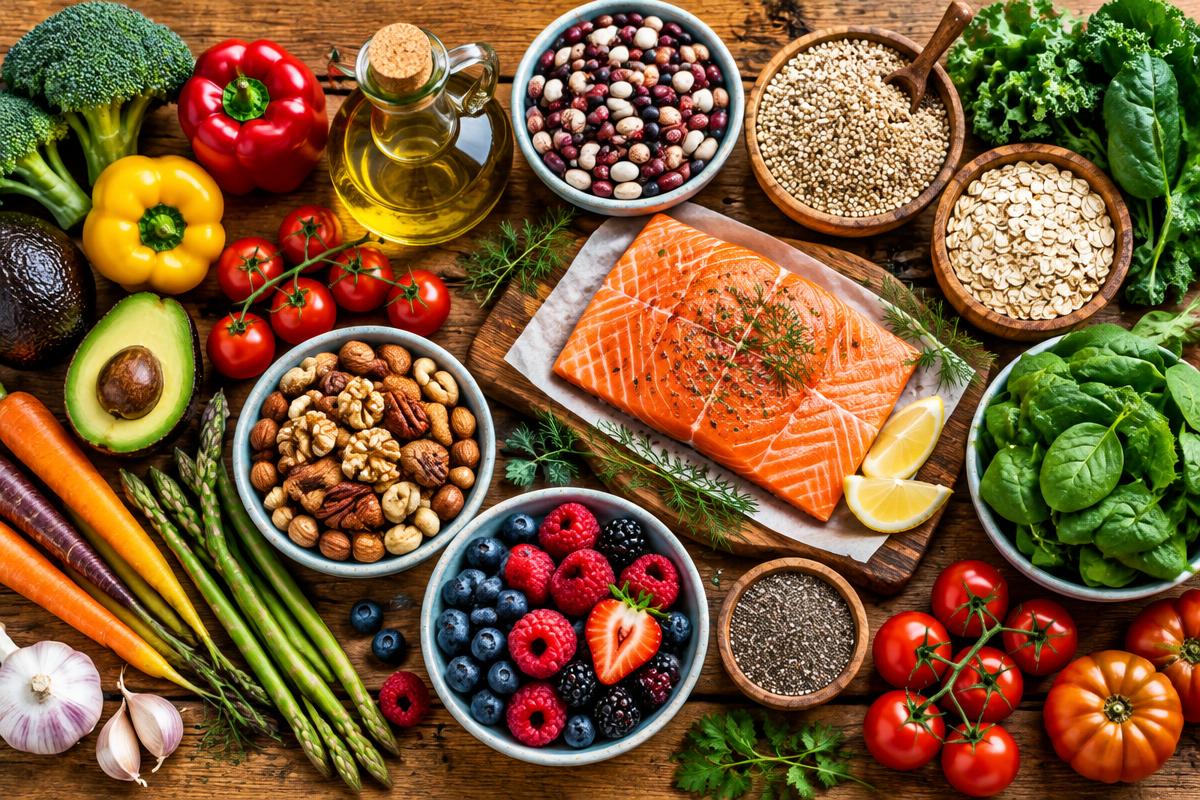
What most heart-healthy eating patterns have in common
- More vegetables and fruits
- More whole grains
- More legumes
- More nuts and seeds
- Healthy fats such as olive oil
- Fewer ultra-processed foods
- Less saturated fat (the fat in fatty meats, butter and cheese)
- Less sodium (salt)
- Less added sugar
What These Findings Mean — and What They Do Not Mean
What these studies support
- Healthier dietary patterns are associated with more favorable artery-related findings in research.
- In some trials, intensive lifestyle programs showed less progression or measurable improvement in artery disease markers.
- Diet quality is part of overall cardiovascular health.
What these studies do not prove
- They do not guarantee the same results for every person.
- They do not show that food alone explains every result.
- They do not replace medical treatment.
- They do not mean a person should stop prescribed care or medication.
- Different studies used different methods and populations.
Plaque progression and cardiovascular risk (the risk of heart and blood-vessel problems) depend on many factors, including cholesterol, blood pressure, diabetes, smoking, physical activity, genetics, body weight, and medical treatment.
Why Better Food Choices Still Matter
Heart-healthy eating patterns are consistently associated with benefits in cardiovascular (heart and blood vessel) health research and are emphasized in major dietary guidance.
A heart-healthy dietary pattern commonly includes vegetables, fruits, legumes (beans, lentils and peas), whole grains, nuts and seeds, fish or other healthy protein choices, unsaturated fats (the heart-friendlier fats in olive oil, nuts and fish), and minimally processed foods. It generally reduces excess sodium (salt), added sugars, saturated fat (the fat in fatty meats, butter and cheese), and highly processed foods.
Even when food is not the only factor, it is one of the most practical areas people can improve day by day.
What These Food Patterns Often Look Like
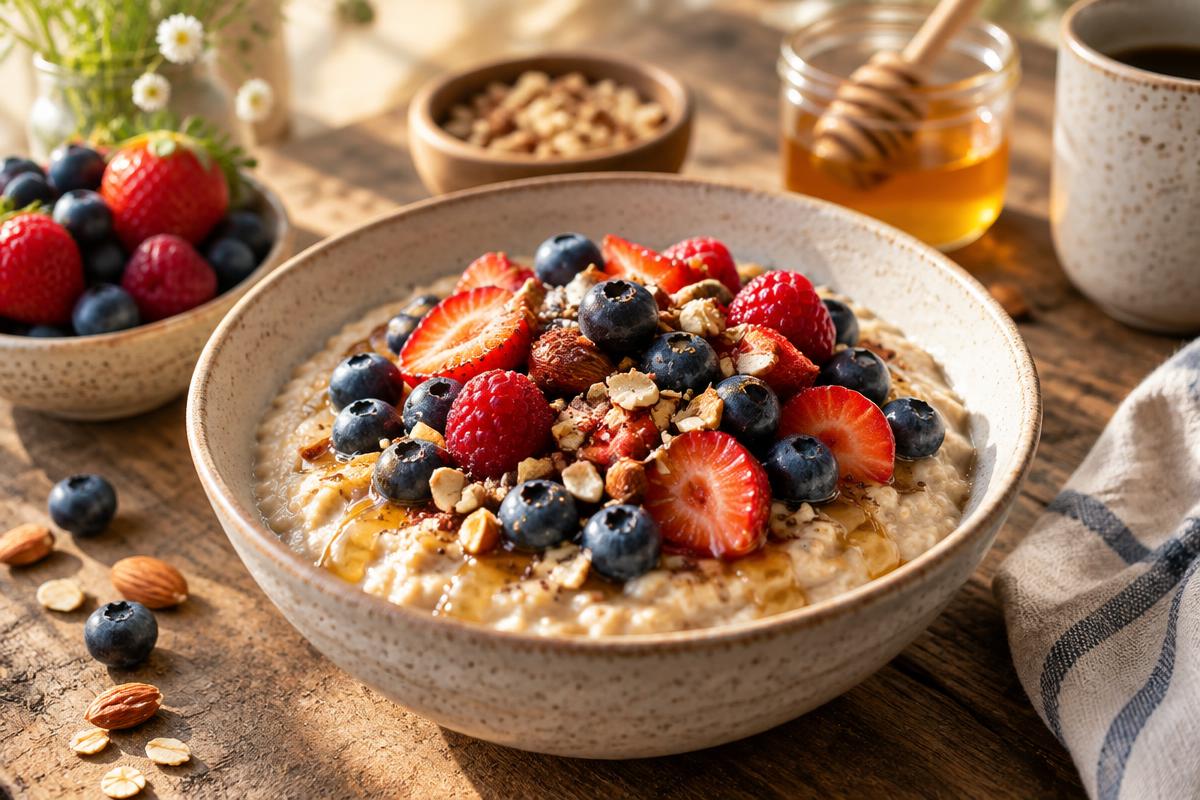
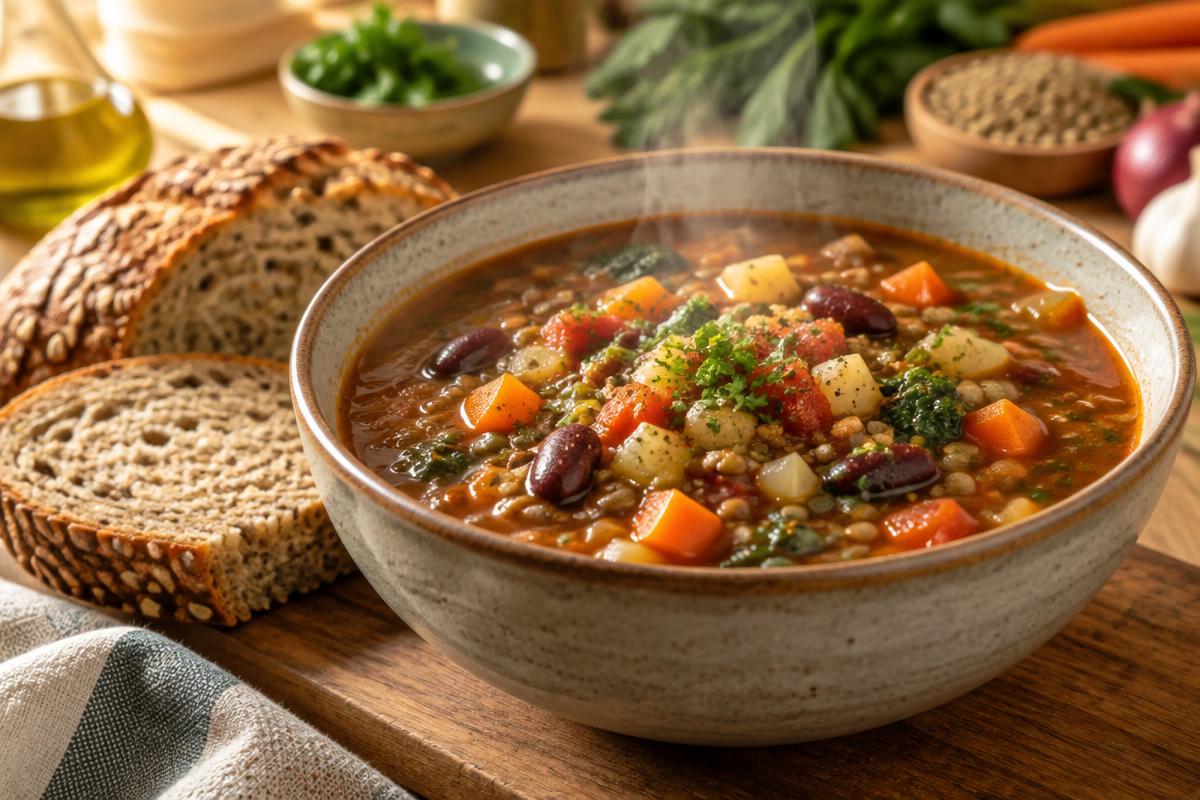
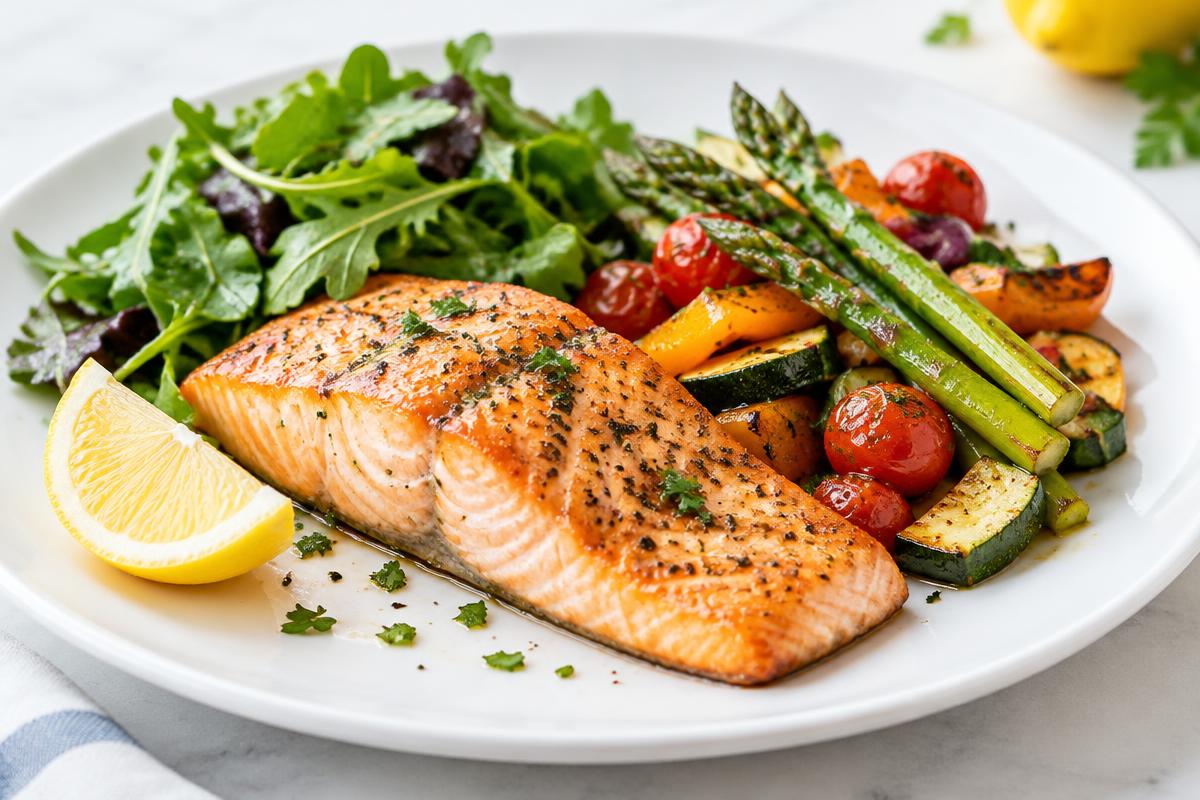


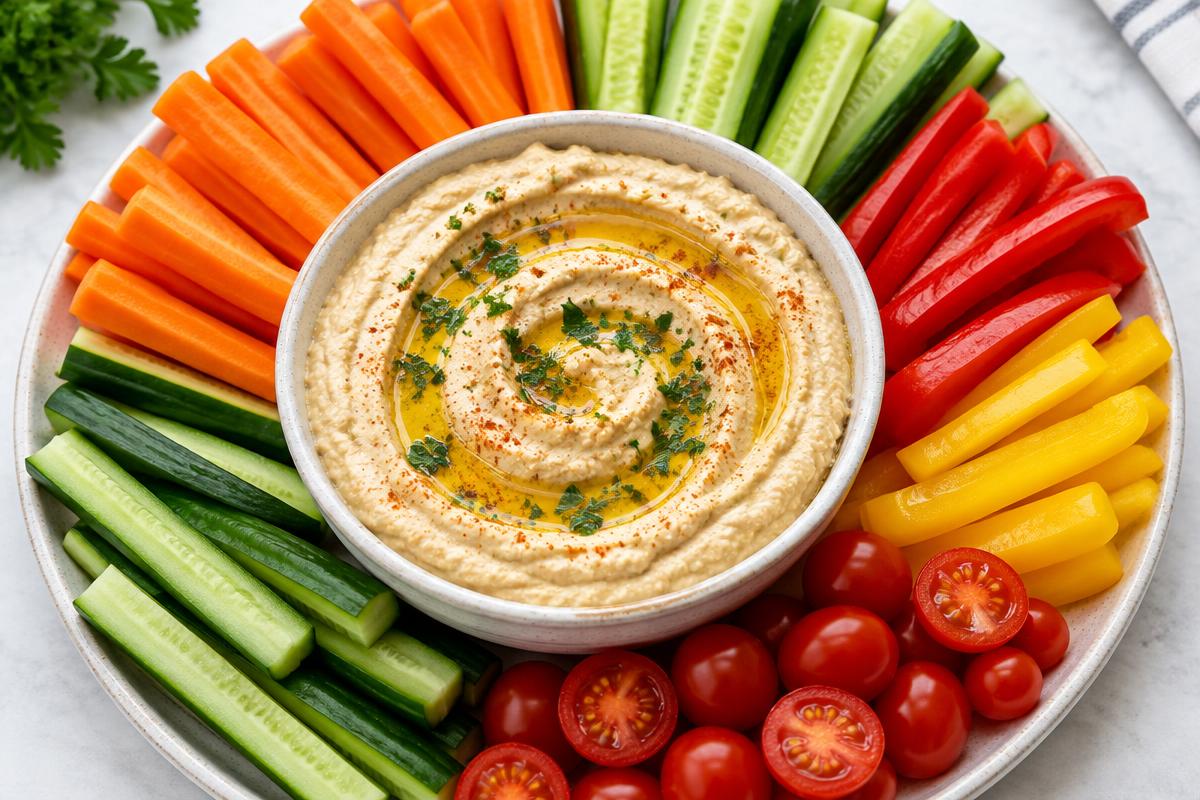


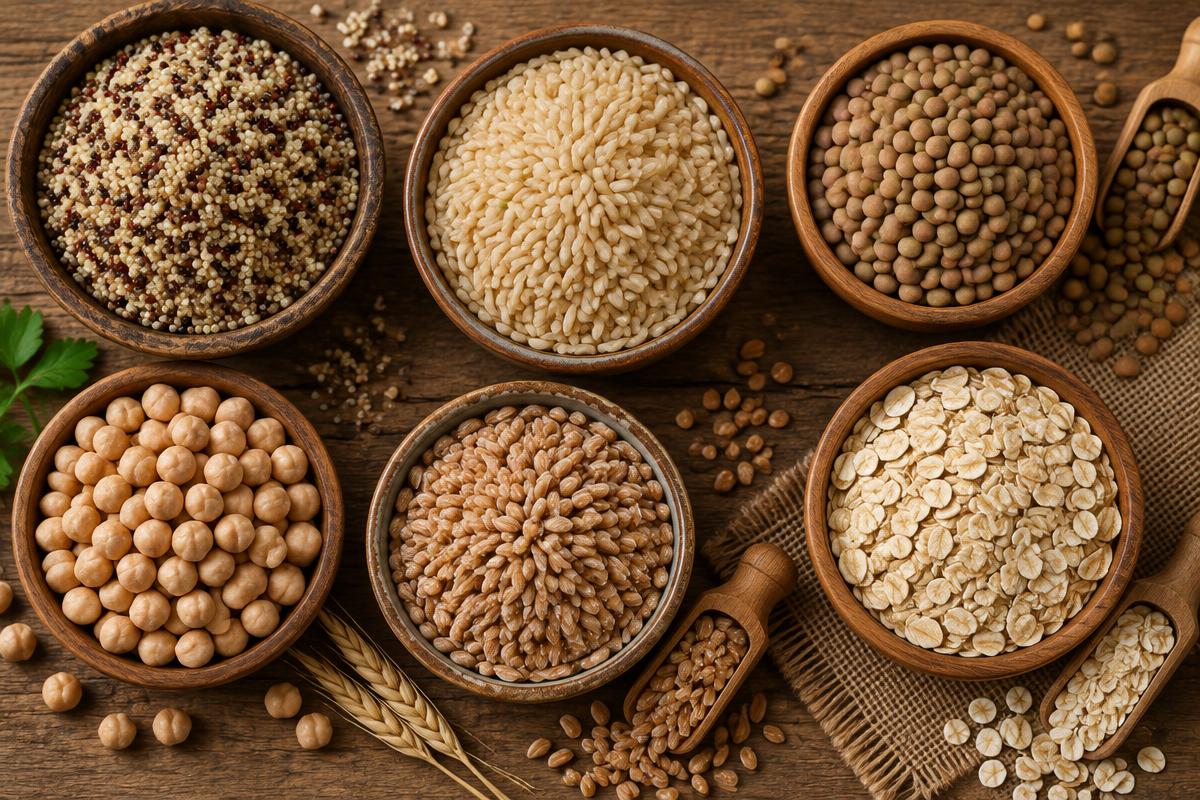
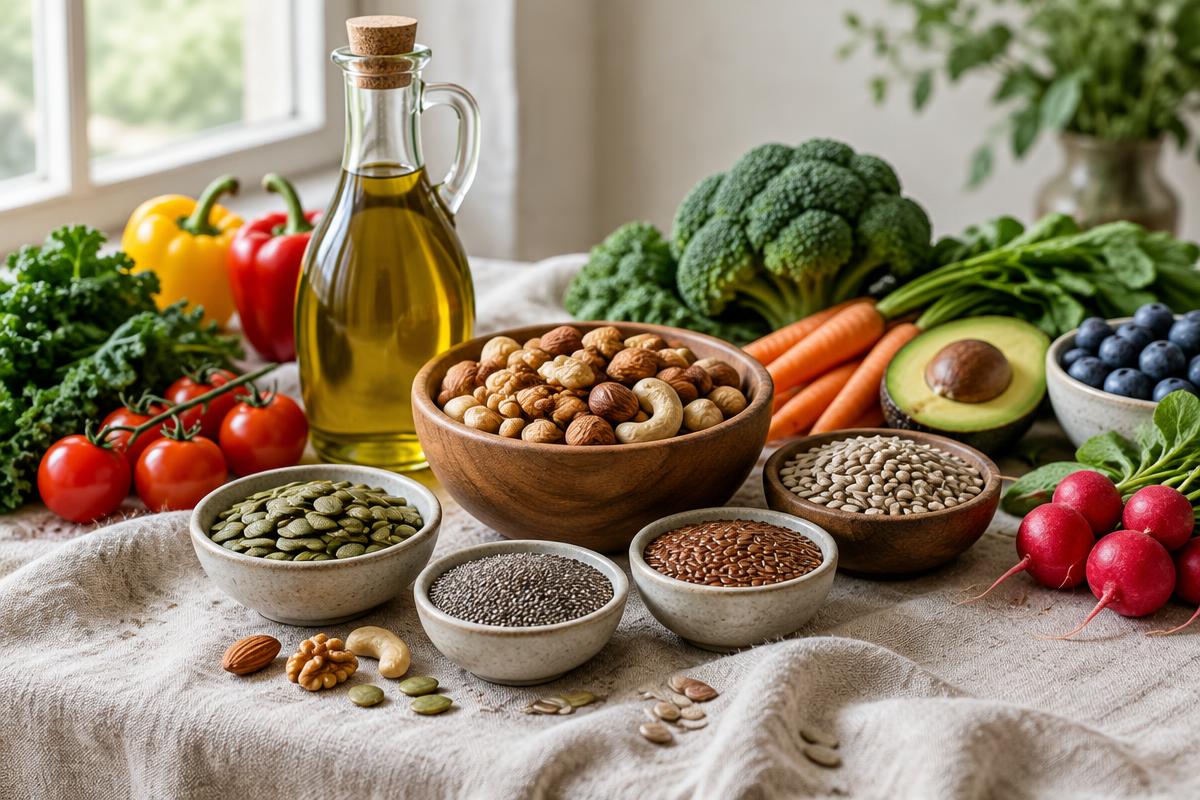
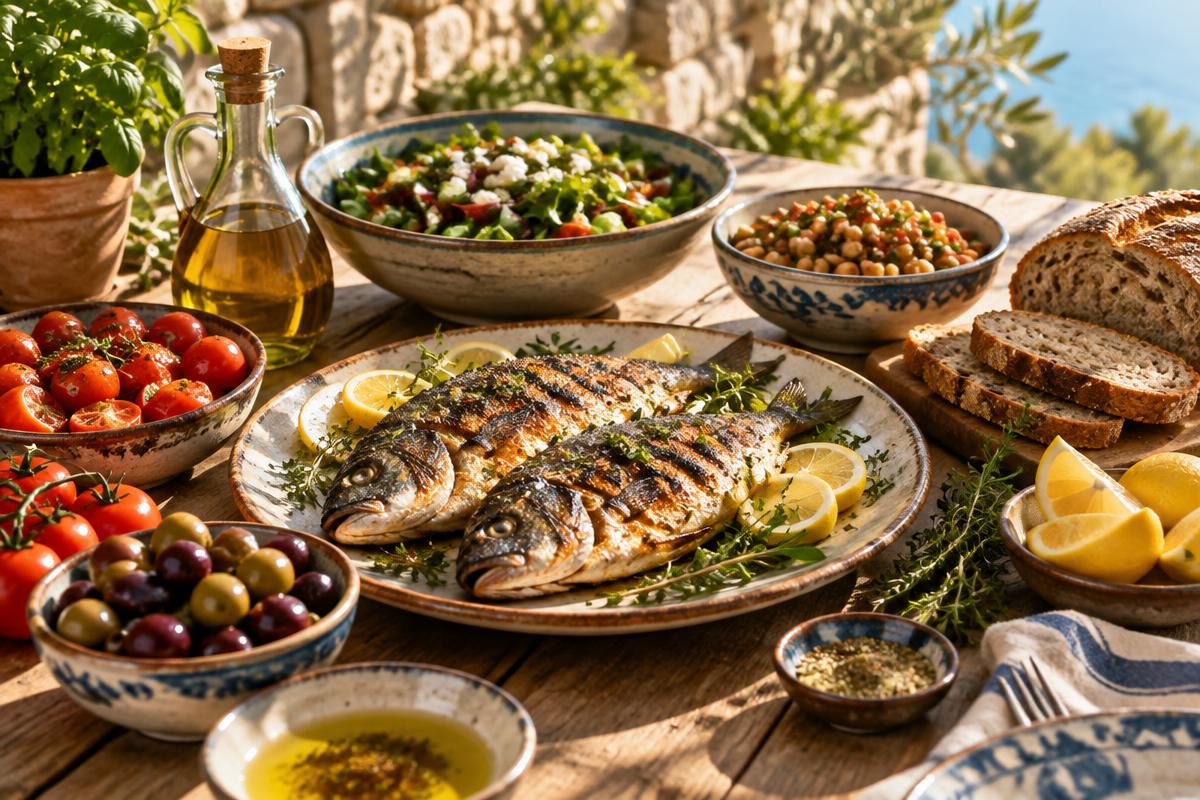
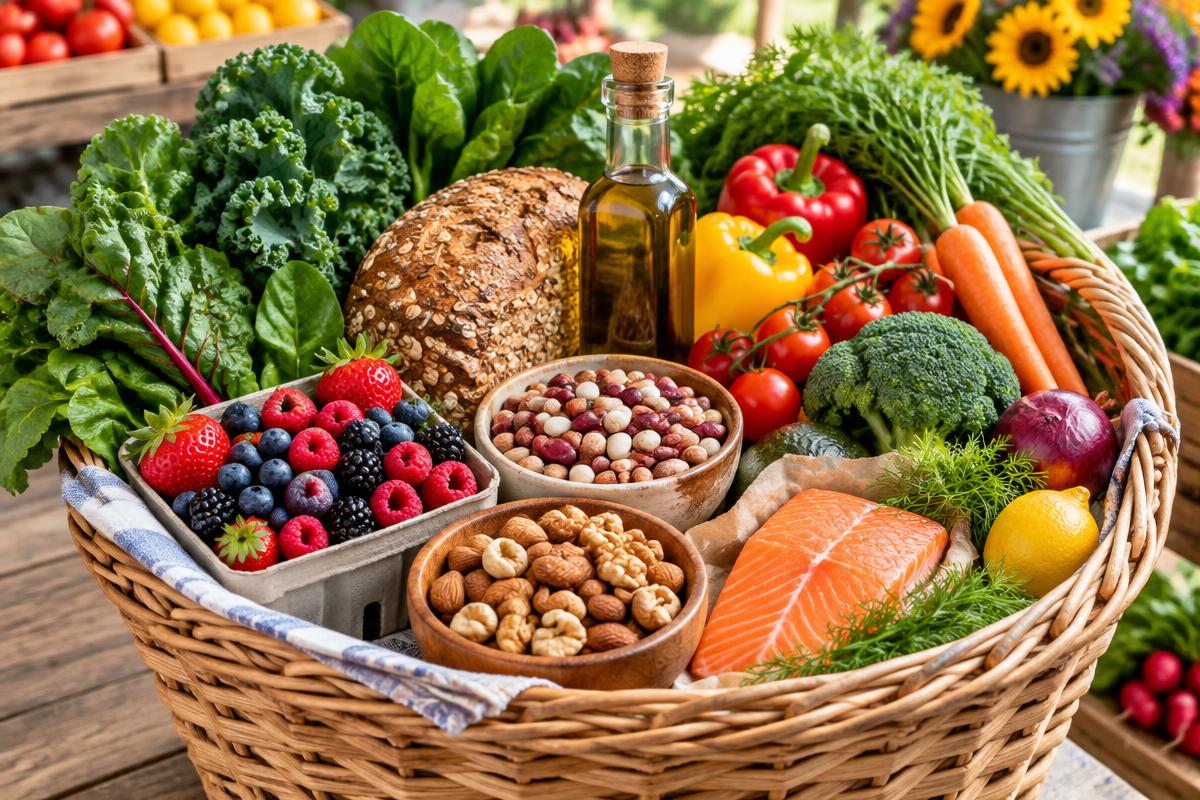
A More Artery-Friendly Pattern Often Looks Like This
More often
- Vegetables
- Fruit
- Beans and lentils
- Whole grains
- Nuts and seeds
- Olive oil
- Fish
- High-fiber meals
- Minimally processed foods
Less often
- Heavily processed meats
- Fried fast foods
- High-sodium convenience meals
- Refined sweets
- Heavily processed snack foods
- Frequent sugary beverages
Key Takeaways
- Atherosclerosis (hardening of the arteries) can be studied with imaging and vessel measurements over time.
- Published research has found that healthier eating patterns and intensive lifestyle programs are associated with more favorable artery-related findings in some populations.
- The strongest studies should be interpreted carefully, because interventions (the programs being tested) often include more than diet alone.
- Heart-healthy food patterns consistently emphasize vegetables, fruits, whole grains, legumes (beans, lentils and peas), healthy fats, and minimally processed foods.
- Healthy eating is one meaningful part of a broader cardiovascular (heart and blood vessel) picture.
Study References
- Ornish D, et al. Can lifestyle changes reverse coronary heart disease? The Lifestyle Heart Trial. Lancet. 1990. PMID: 1973470
- Ornish D, et al. Intensive lifestyle changes for reversal of coronary heart disease. JAMA. 1998. PMID: 9863851
- Shai I, et al. Dietary intervention to reverse carotid atherosclerosis. Circulation. 2010. PMID: 20194883
- Jimenez-Torres J, et al. Mediterranean Diet Reduces Atherosclerosis Progression in Coronary Heart Disease: An Analysis of the CORDIOPREV Randomized Controlled Trial. Stroke. 2021. PMID: 34372670
- American Heart Association. 2026 Dietary Guidance to Improve Cardiovascular Health: A Scientific Statement. PMID: 41914202
Content reviewed 2026-10-25. Supporting source content checked 2026-10-25.
This page is for general education only. It summarizes published research and does not provide medical advice, diagnosis, or treatment. Do not stop or change medications or care plans without guidance from your healthcare professional.
Study findings vary because researchers measured different artery outcomes and used different interventions (different programs or diets).