
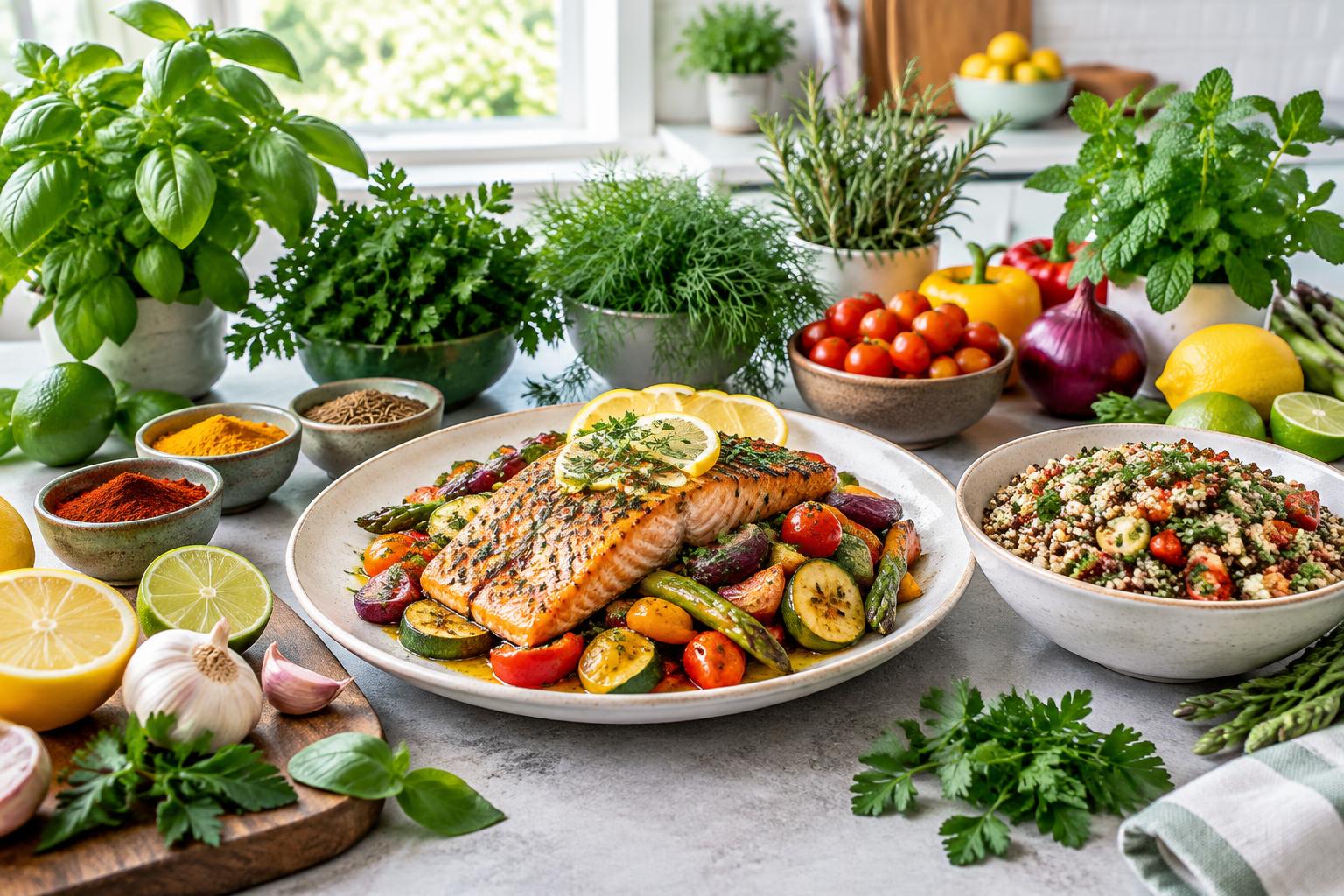
Basil
Fresh, slightly sweet
Pairs with: Tomatoes, vegetables, chicken, pasta
Healthy Eating
Learn how herbs, spices, citrus, vinegars, aromatics, and cooking techniques can create big flavor without depending on excess sodium.
Reducing sodium does not mean reducing flavor.
Explore 01
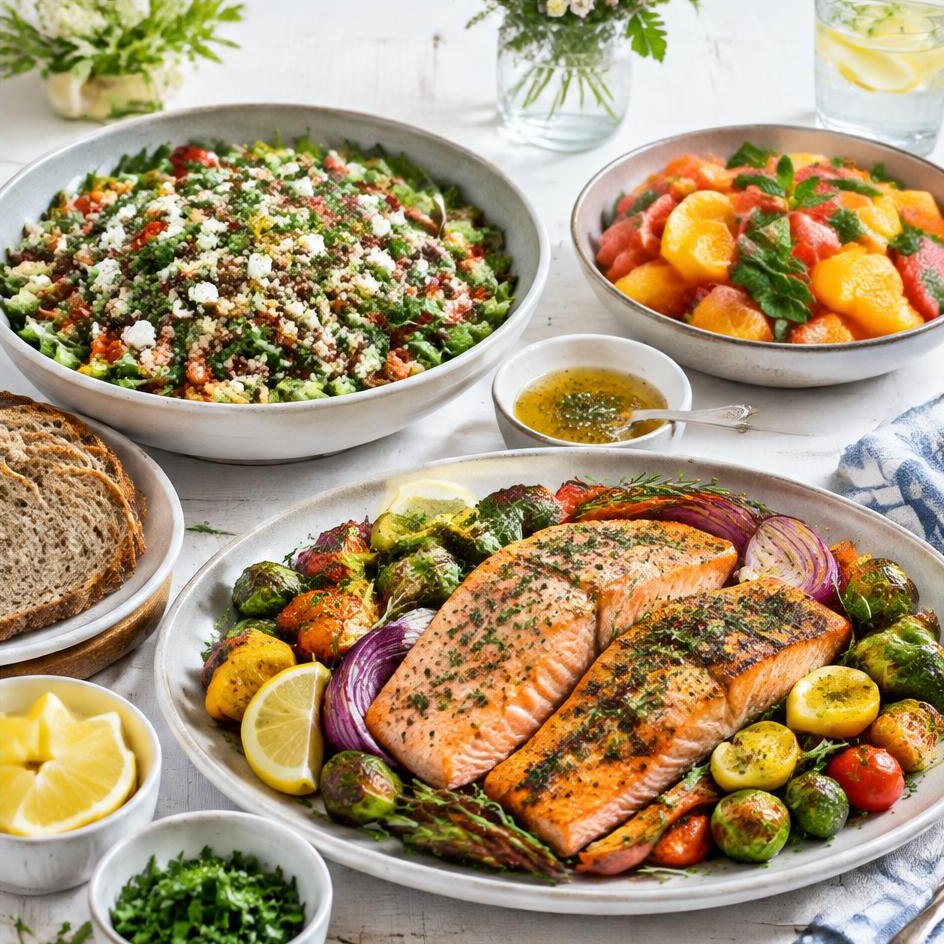
Salt is only one way to make a meal interesting. Acidity, herbs, spices, aromatics, browning, roasting, texture, heat, vegetable sweetness, umami and fresh garnishes give you many more possibilities. Think of this as discovering more flavor, not giving something up.
Explore 02
Your body needs sodium in small amounts. Too much can contribute to high blood pressure in many people, and high blood pressure is an important cardiovascular risk factor. Food does not have to taste very salty to contribute sodium.
The FDA sodium Daily Value is 2,300 mg per day; FDA guidance recommends less than this amount. The American Heart Association recommends no more than 2,300 mg daily, with an optimal goal of no more than 1,500 mg for most adults. More than 70% of dietary sodium commonly comes from packaged, prepared and restaurant foods.
These are population and label reference points, not a personal prescription. Individual needs vary, especially with health conditions, medications or substantial sweat losses; follow advice from your healthcare team.
Source check: 2026-10-25
FDA and American Heart Association guidance; general education, not individualized medical advice.
See factual sourcesExplore 04
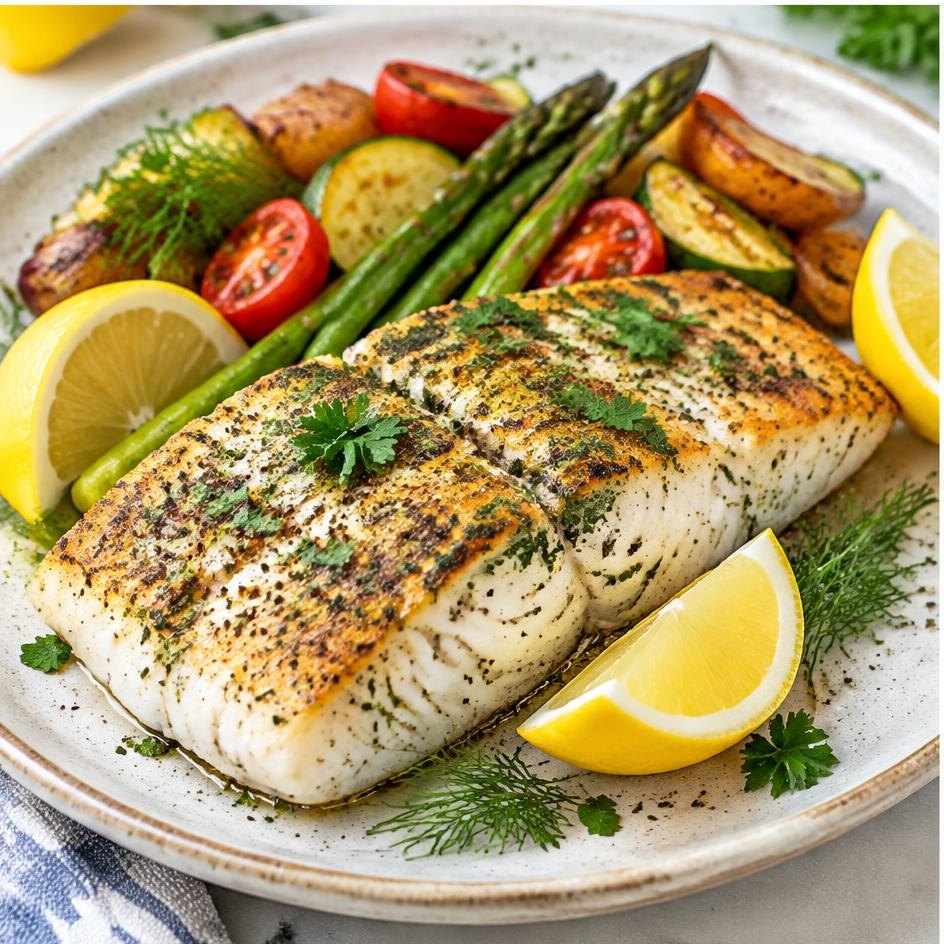
Start with one simple food and give it a direction. These are flavor ideas, not identical nutrition profiles; portions, brands, cooking oil and other ingredients still matter.
Explore 05
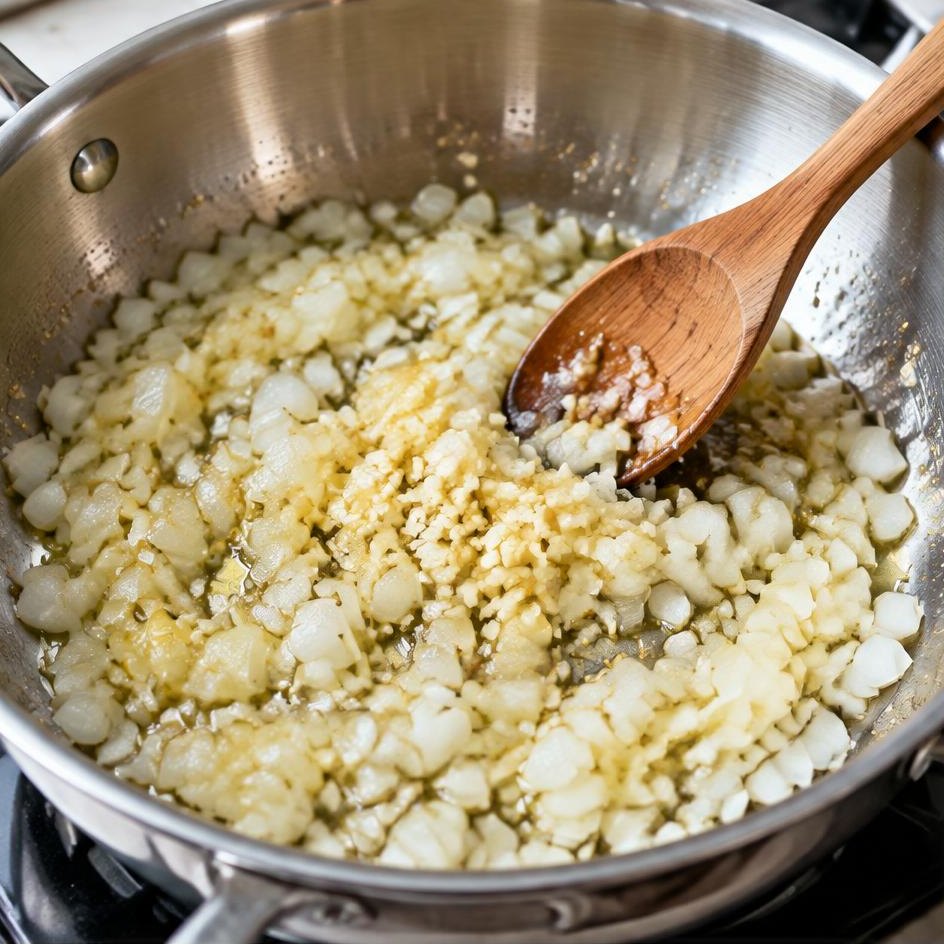
Garlic, onion, shallots, scallions, ginger, celery and peppers build a flavorful foundation. Sauté onion and garlic for beans, add ginger to a stir-fry, or start soup with celery and onion.
Raw garlic is sharp. Gently sautéed garlic is mellower, while roasted garlic becomes softer and tastes sweeter. Avoid scorched garlic: it can turn bitter. Add minced garlic after slower-cooking vegetables, and watch the heat.
Explore 06
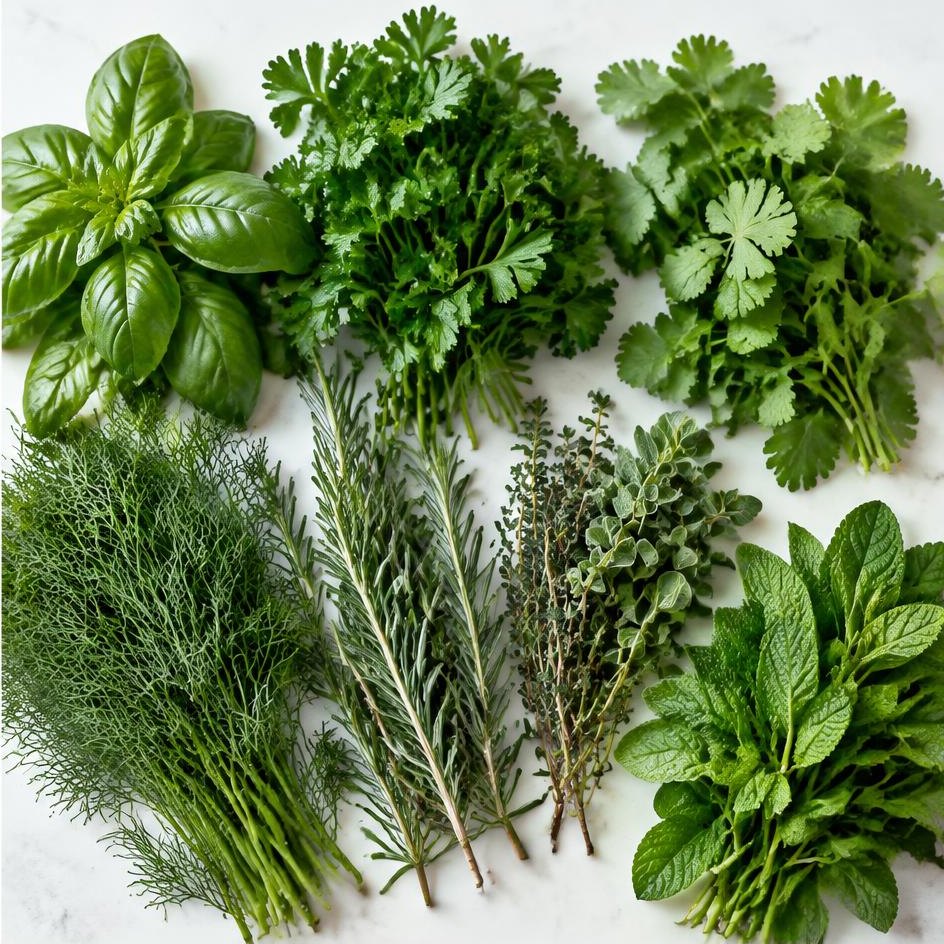
Fresh herbs bring brightness and leafy texture; dried herbs are generally more concentrated. Use recipe-specific amounts rather than a universal exact conversion. Dried sturdy herbs often benefit from earlier cooking; delicate fresh herbs frequently work best near the end.
Fresh, slightly sweet
Pairs with: Tomatoes, vegetables, chicken, pasta
Fresh and clean
Pairs with: Fish, grains, soups, vegetables
Bright, citrus-like
Pairs with: Mexican-, Asian- and Caribbean-inspired dishes
Fresh and distinctive
Pairs with: Fish, yogurt, cucumbers, potatoes
Strong and woodsy
Pairs with: Chicken, potatoes, roasted vegetables
Earthy and subtle
Pairs with: Soups, chicken, beans, vegetables
Bold and herbal
Pairs with: Greek- and Italian-inspired tomato dishes
Cool and fresh
Pairs with: Grain salads, yogurt, fruit, Mediterranean-inspired meals
Explore 07
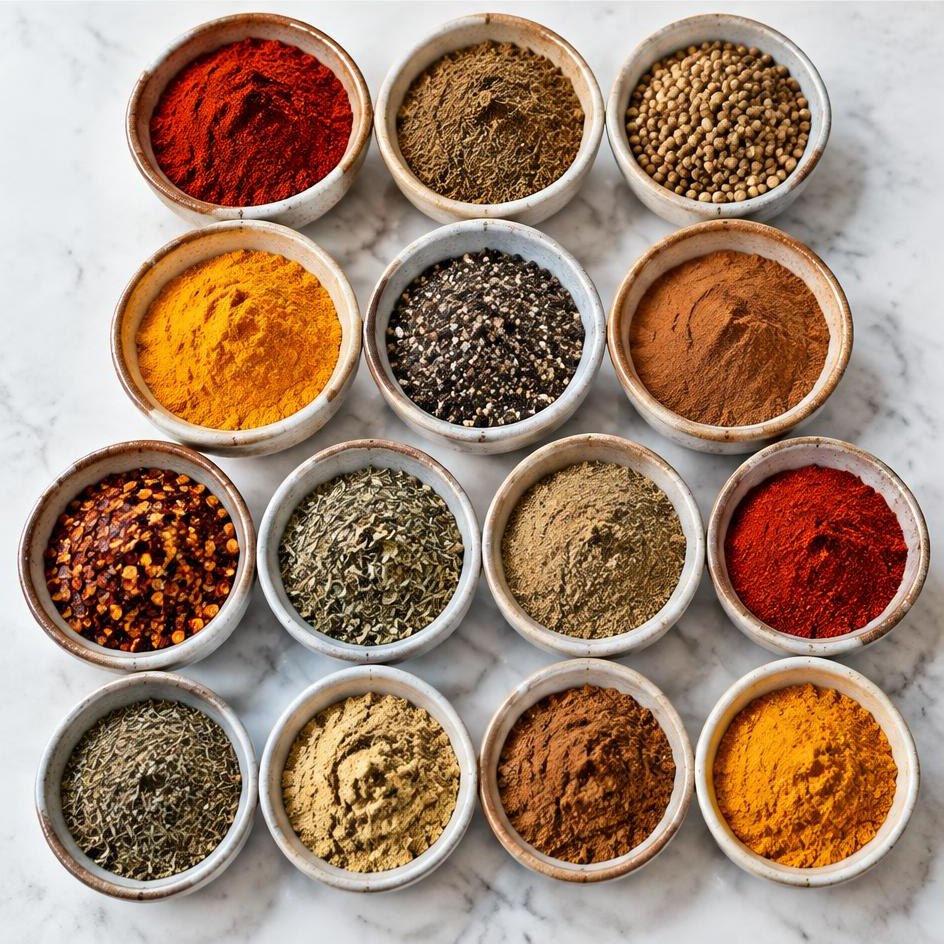
Spices add fragrance, warmth, earthiness and heat. Choose a few that work together rather than adding every jar at once. Check blended seasonings for salt.
Toast your spices: briefly warm suitable whole spices in a dry pan, or bloom appropriate ground spices in a small measured amount of oil. Use gentle heat, stir and stop when fragrant. Ground spices can burn quickly; never aim for smoke or blackened spices.
Pungent warmth
Vegetables, eggs, fish
Many cuisines
Smoky and sweet
Beans, potatoes, vegetables
Spanish-inspired
Mild, fruity
Chicken, lentils, vegetables
Central European-inspired
Earthy and warm
Beans, chickpeas, carrots
Mexican- and Indian-inspired
Citrusy and mellow
Lentils, fish, roasted vegetables
Indian- and Moroccan-inspired
Earthy, slightly bitter
Rice, soups, cauliflower
Indian-inspired
Warm and bright
Stir-fries, soups, fruit
Asian- and Caribbean-inspired
Sweet aroma, woody warmth
Oats, apples, chickpeas
Moroccan-inspired and baking
Concentrated heat
Beans, stews, marinades
Caribbean-inspired
Warm, lingering heat
Pasta, greens, stir-fries
Italian- and Asian-inspired
Floral, citrusy
Fruit, rice, yogurt
Indian-inspired
Clove-like warmth
Beans, squash, marinades
Caribbean-inspired
Gentle anise aroma
Tomatoes, fish, vegetables
Mediterranean-inspired
Nutty when toasted, pungent when crushed
Vegetables, lentils
Indian-inspired
Explore 08
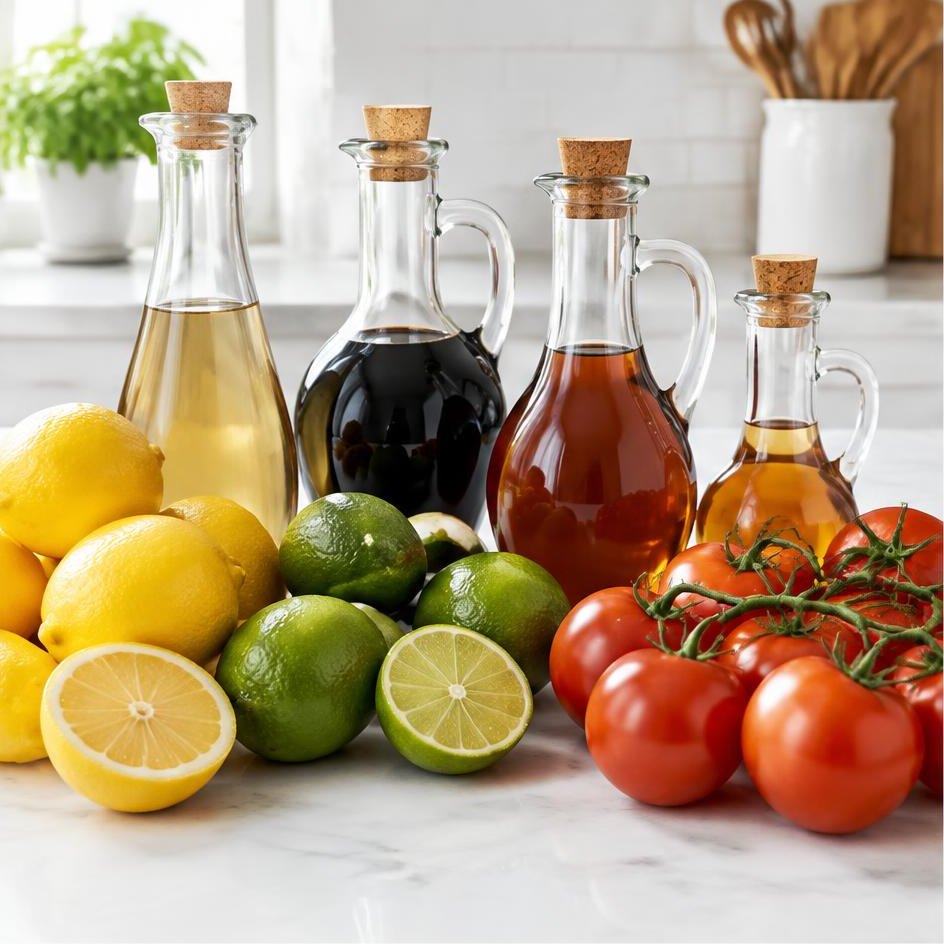
Lemon juice, lime juice, apple cider vinegar, balsamic, red wine vinegar, rice vinegar, tomatoes and citrus zest can make flavors brighter and more defined. Add a little, taste, then adjust.
Try fish with lemon, black beans with lime, roasted vegetables with balsamic, or cabbage slaw with unseasoned rice vinegar. Seasoned rice vinegar may contain added salt and sugar, so read the label. Acid does not remove sodium already in food.
Explore 09
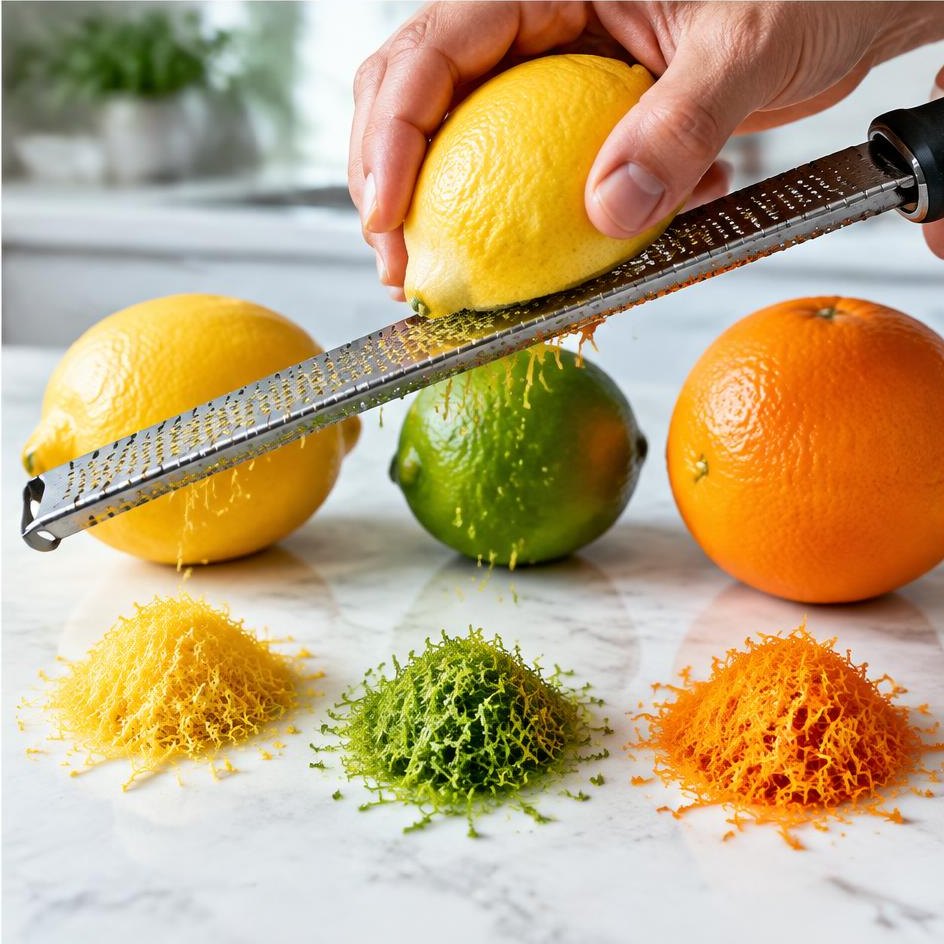
The outer colored peel of lemon, lime and orange contains fragrant oils. Wash and dry fruit, then use a fine zester or microplane lightly over the surface. Rotate the fruit as you go and keep fingers clear of the blades.
Avoid grating deeply into the bitter white pith. A little zest can perfume grains, yogurt, vegetables or a marinade without adding salt.
Explore 10
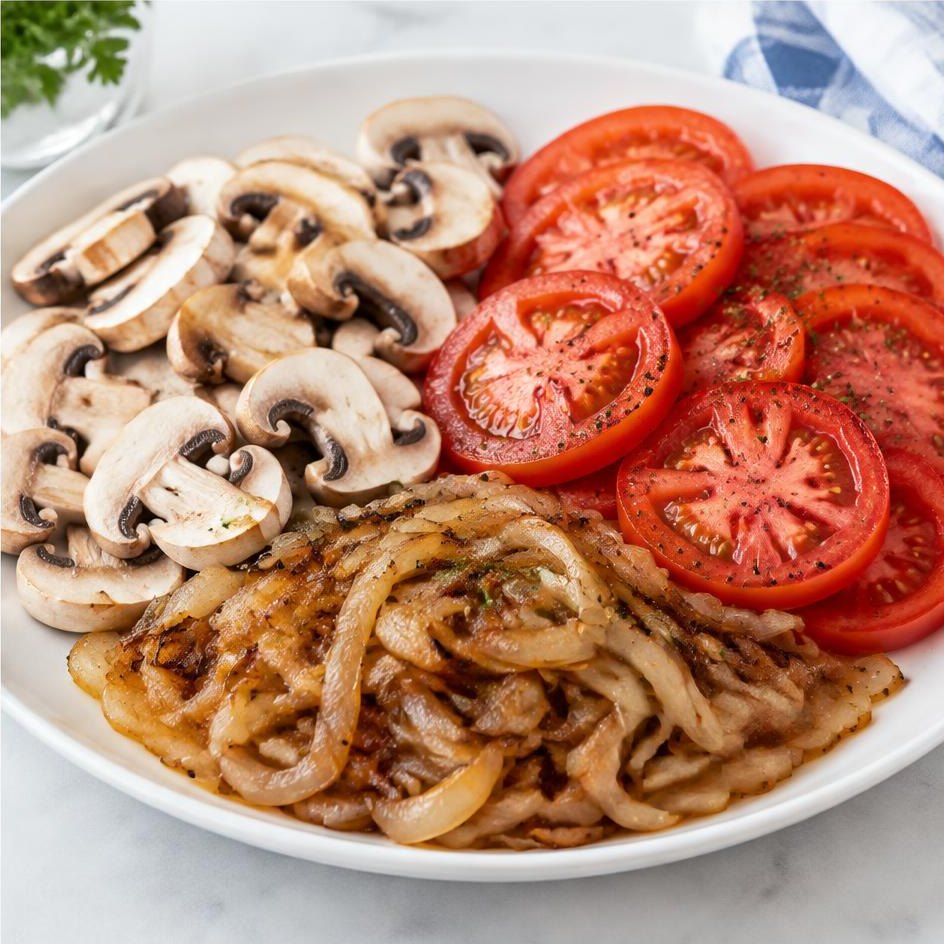
Umami is a savory quality. Mushrooms, tomatoes, caramelized onions, roasted vegetables and browned foods can build depth. Nutritional yeast may be useful where its flavor fits; compare labels and use an appropriate amount.
Soy sauce, cheese, miso and prepared sauces can also supply umami, but may contain substantial sodium. “Savory” does not mean “low sodium.” Compare labels and measure amounts.
Explore 11
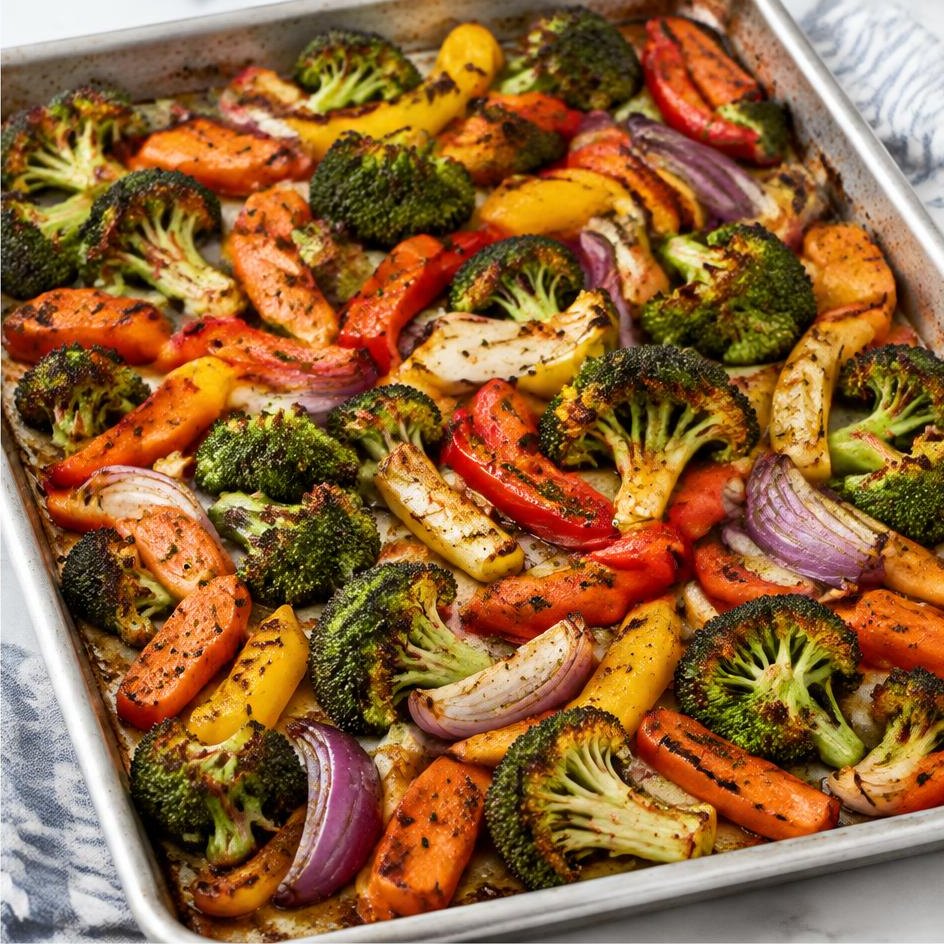
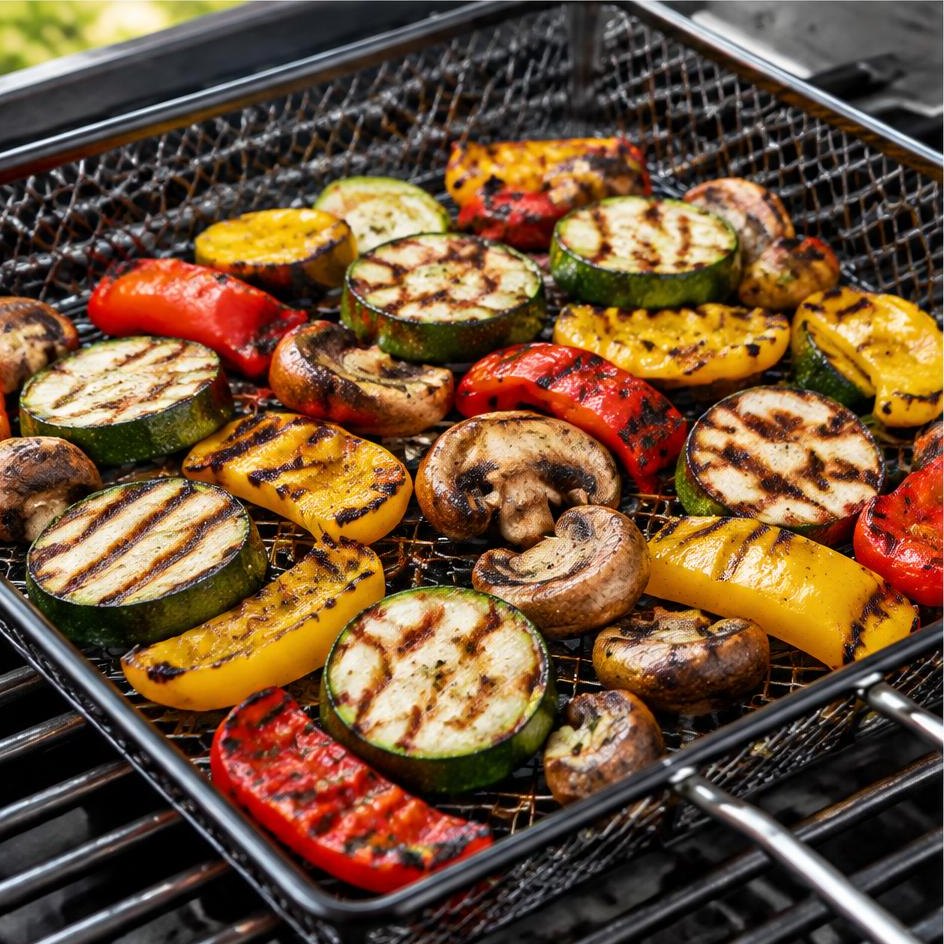
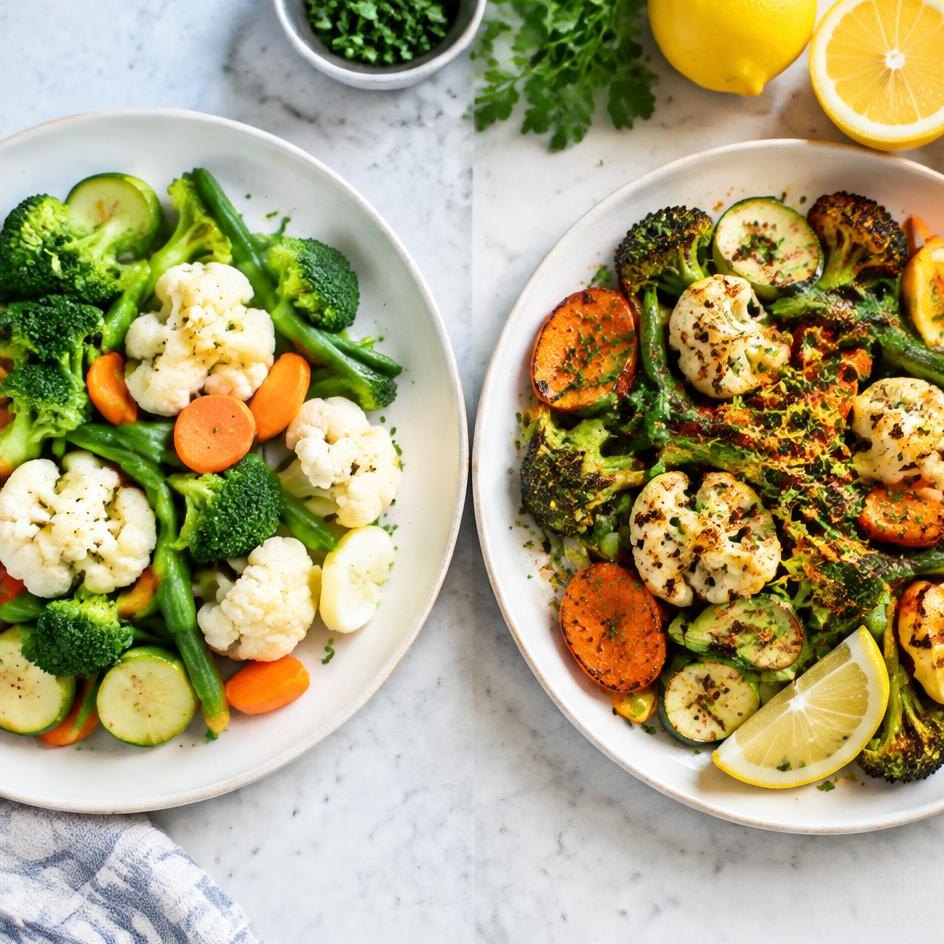
Roasting, grilling, pan searing, air frying and griddling create flavorful browned surfaces. Aim for appetizing golden browning, not burning or heavy charring. Pale steamed vegetables and browned roasted vegetables offer different flavors; neither appearance alone tells you its nutrition.
Explore 12
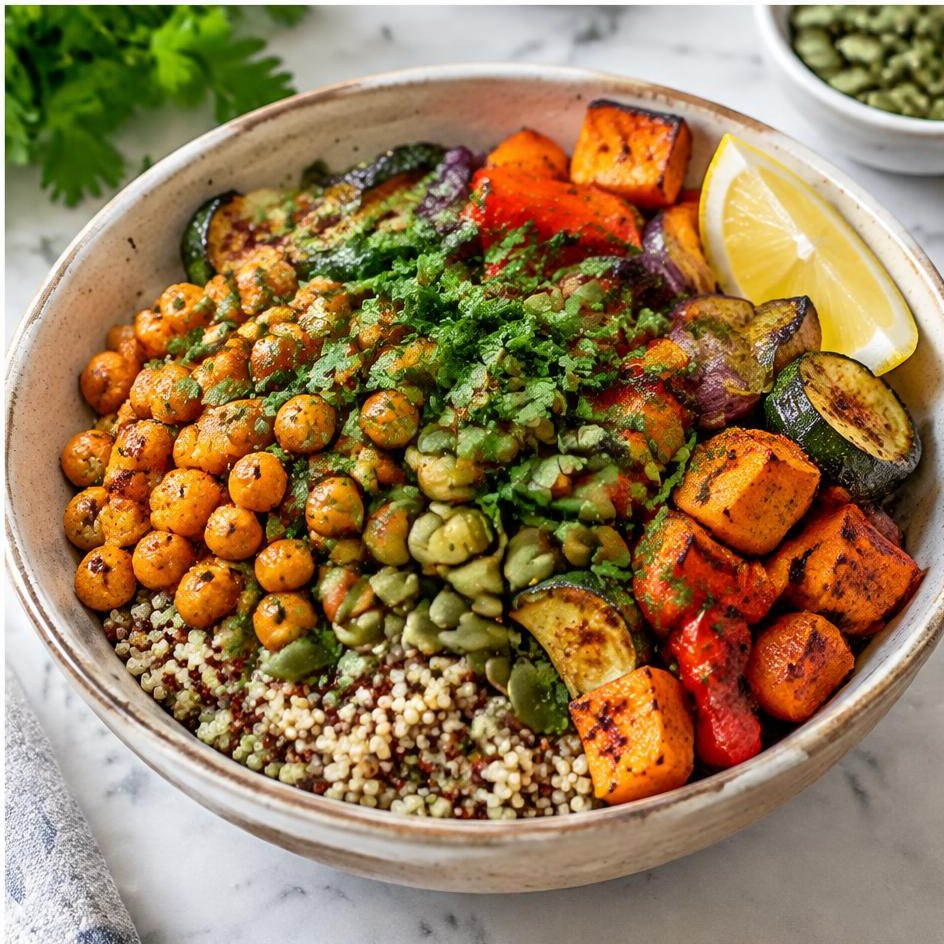
Contrast gives a meal another dimension without relying only on salt, sugar or fat. Match textures to your needs and preferences, and check for nut or seed allergies.
Explore 13
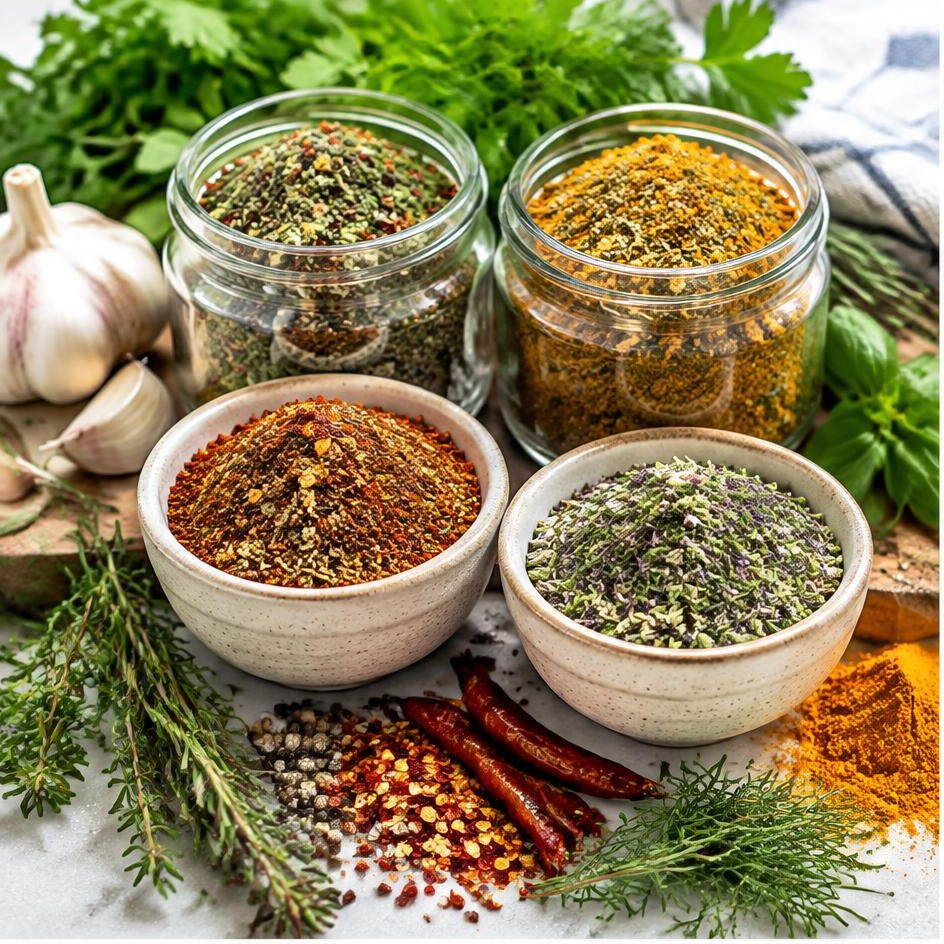
Use these as flexible flavor directions, not culturally authentic formulas or fixed recipes. Choose individual spices and blends without added salt. Add small amounts, taste, and adapt. Fresh herbs, zest and wet ingredients are best mixed for the meal rather than stored like a dry spice jar.
Oregano, basil, thyme, garlic powder, black pepper
Cumin, smoked paprika, chili powder without added salt, garlic powder, oregano
Lemon zest, garlic, parsley, thyme, black pepper
Cumin, coriander, turmeric, ginger, garlic, garam masala without added salt
Allspice, thyme, paprika, garlic, ginger, cayenne
Ginger, garlic, scallions, unseasoned rice vinegar, red pepper
Cumin, coriander, paprika, cinnamon, ginger
Explore 14
Some salt substitutes contain potassium chloride. These may suit some people, but can be unsafe with kidney disease, conditions affecting potassium handling or certain medications. Ask a healthcare professional before using potassium-based substitutes when these concerns may apply.
Herbs, spices, aromatics and acids are the focus here. “No salt added,” “reduced sodium” and “salt substitute” describe different things; read the ingredient list and sodium amount.
Explore 15
Check serving size, sodium in milligrams, % Daily Value and servings per package. FDA’s general guide: 5% DV or less per serving is low; 20% DV or more is high. These %DV guideposts are not the same as a regulated “low sodium” product claim.
Eating two label servings means approximately twice the listed sodium. Compare products using equivalent amounts. A smaller printed serving does not automatically make a product the better choice.
Explore 16
Compare regular canned beans with no-salt-added beans, regular broth with no-salt-added broth, regular soy sauce with reduced-sodium soy sauce, salted nuts with unsalted nuts, and regular seasoning blends with salt-free herb blends.
Use actual package labels for any numerical comparison; brands and serving sizes differ. Reduced sodium is a relative claim and can still mean substantial sodium. No-salt-added foods may still contain naturally occurring sodium. No exact savings are assumed here.
Explore 17
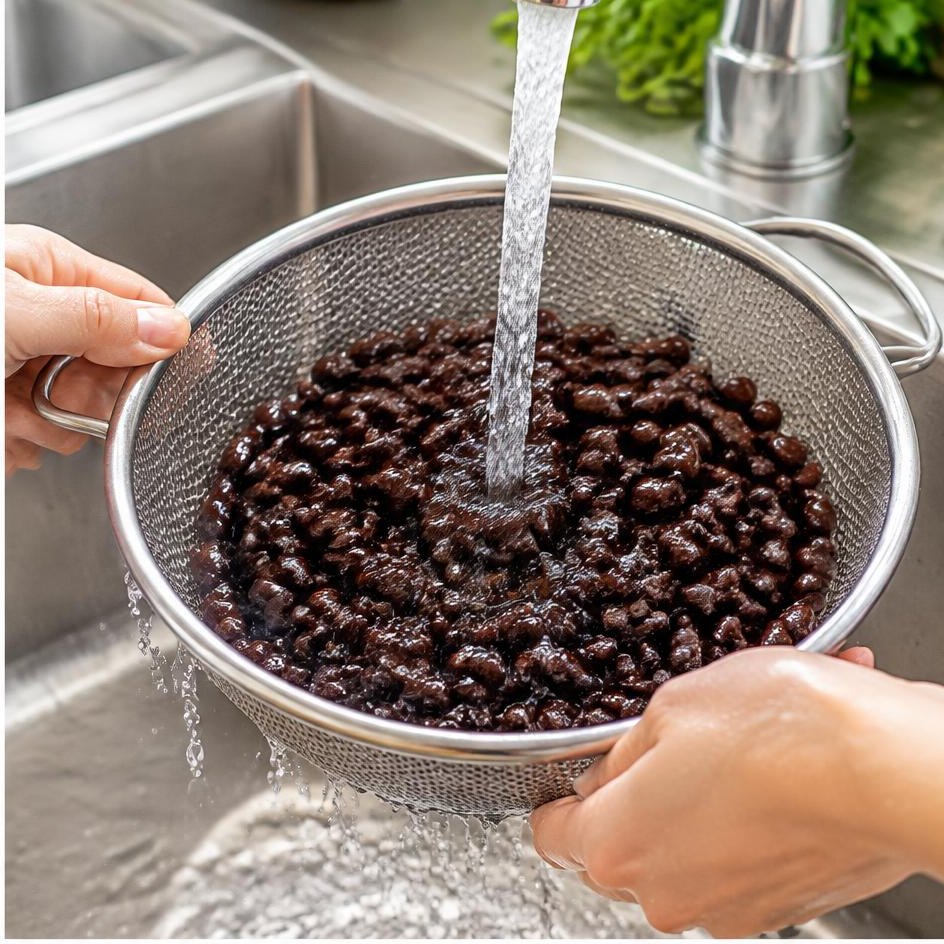
Choose no-salt-added or lower-sodium foods when practical. Draining and rinsing certain canned foods, such as beans, may reduce some sodium; the amount depends on the product and preparation. We do not assume a fixed percentage reduction.
Rinse beans in a colander, then use herbs, garlic, cumin, lemon or lime to build flavor. Follow your recipe’s storage and food-safety guidance.
Explore 18
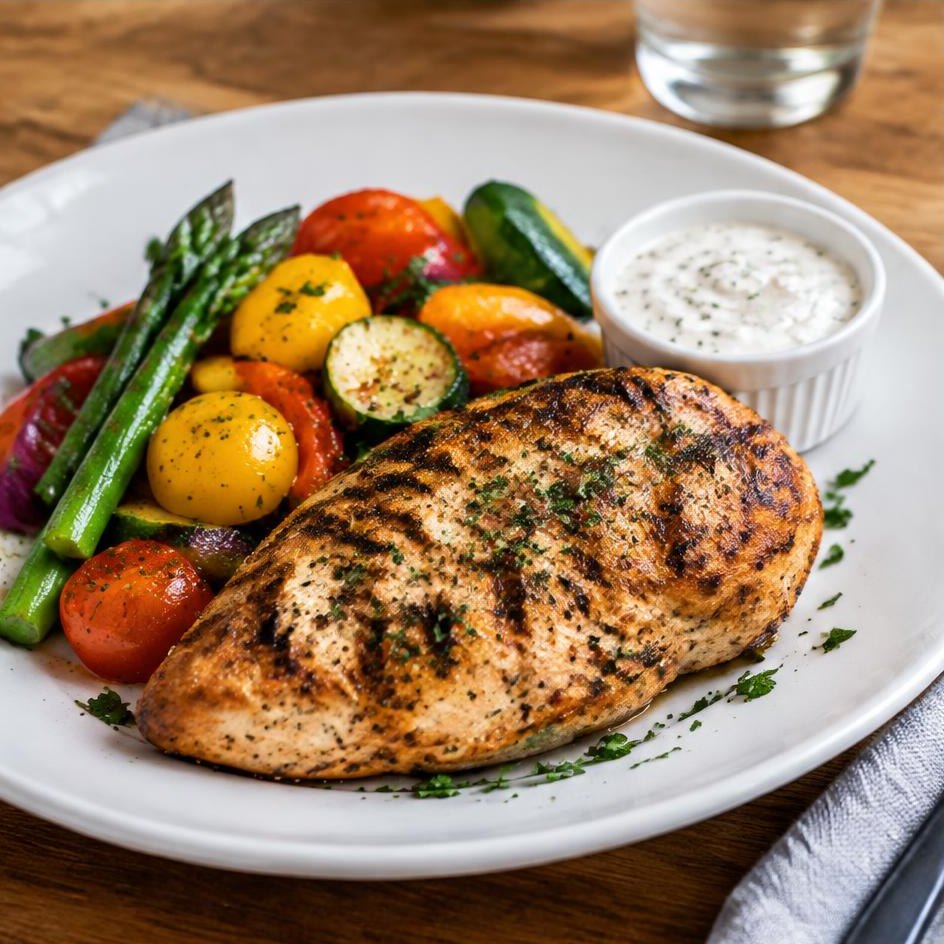
Restaurant meals can contain substantial sodium. Check available nutrition information, choose simpler preparations when possible, request sauces or dressings on the side, and ask about seasoning when practical. Portions matter too.
Balance the rest of the day according to your own guidance rather than treating one meal as a failure. Modified orders do not automatically inherit the restaurant’s published nutrition or a calculable sodium reduction.
Explore 19
Choose one familiar meal. Compare your usual seasoning with a version that uses one aromatic, one herb or spice combination, one acid and one texture element. Taste thoughtfully and notice aroma, brightness, depth and crunch.
This is a flavor experiment, not an instruction to eliminate medically necessary sodium or override a care plan. Change one element at a time when you want to understand what helped.
Explore 20
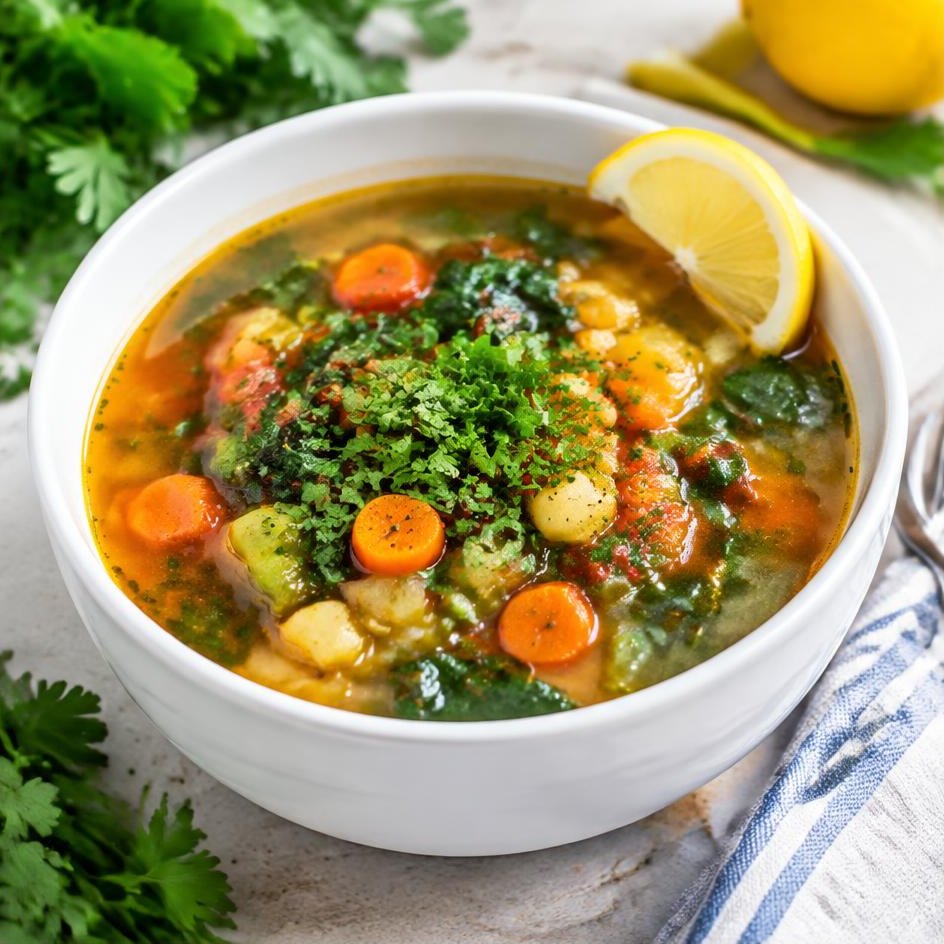
Make seasoning an enjoyable habit. Give your taste buds time to adjust to less salty food; gradually exploring new flavors can be easier than changing everything overnight.
Explore 21
Taste first and identify what is missing. Try one small adjustment at a time, then taste again.
Explore citrus chicken, fragrant curry, balsamic grilled mushrooms and herb pork with roasted sweet potatoes. These are flavor examples, not a promise that every recipe meets your sodium target; compare its ingredients, serving and recorded nutrition.
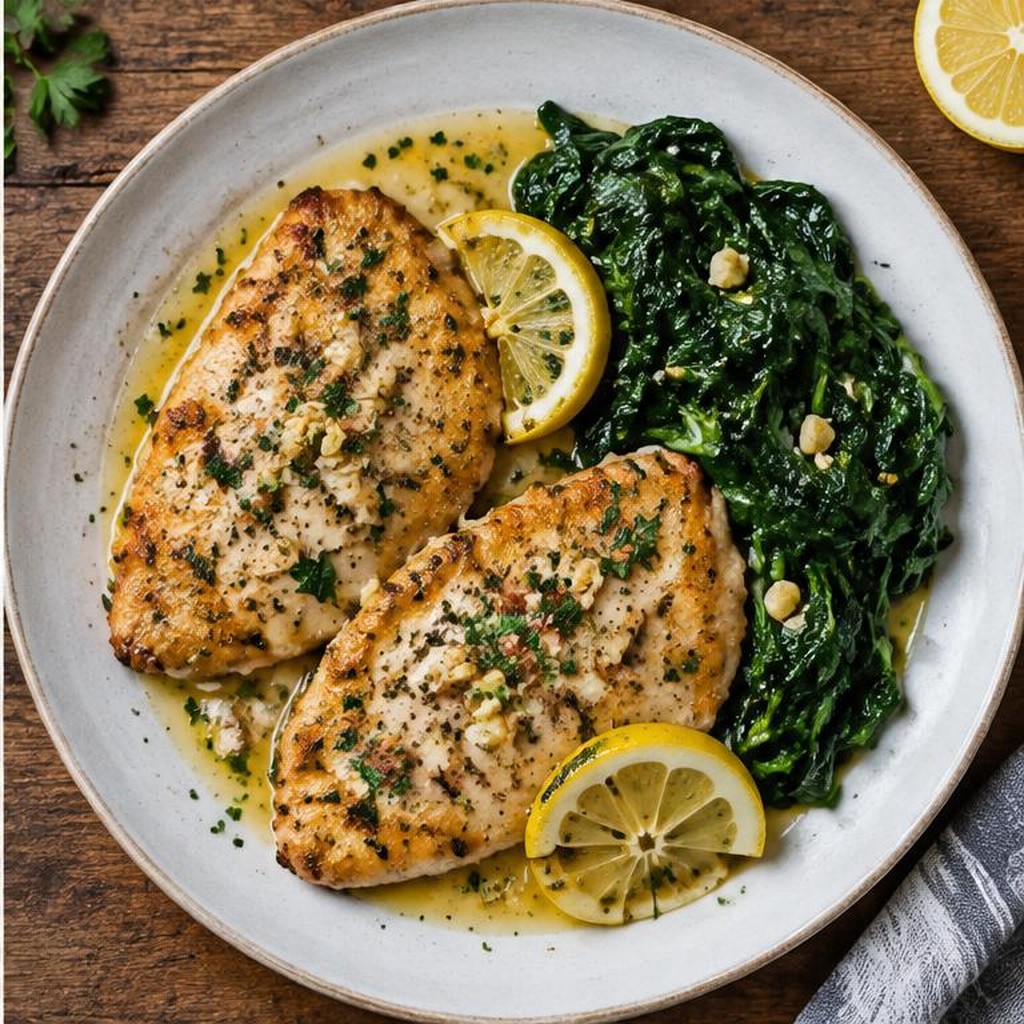
Thin chicken cutlets seared fast with lemon, garlic and wilted spinach.
15 min · Yield: 4 standard servings · Servings: 4
Serving size: 1/4 of the listed recipe
Checking recorded nutrition updates…
Estimated, not professionally reviewed. Changes to ingredients or portions change nutrition.
Healthy cooking isn’t about removing everything you love. It’s about discovering how much flavor was waiting beyond the salt shaker. Experiment, taste, and have fun. With Healthy Heart Choices, every meal is another opportunity to create something delicious.
Source pages checked 2026-10-25. General food education; no professional clinical review claimed. Photographs are generated illustrations, not nutrition evidence or exact appliance demonstrations.