
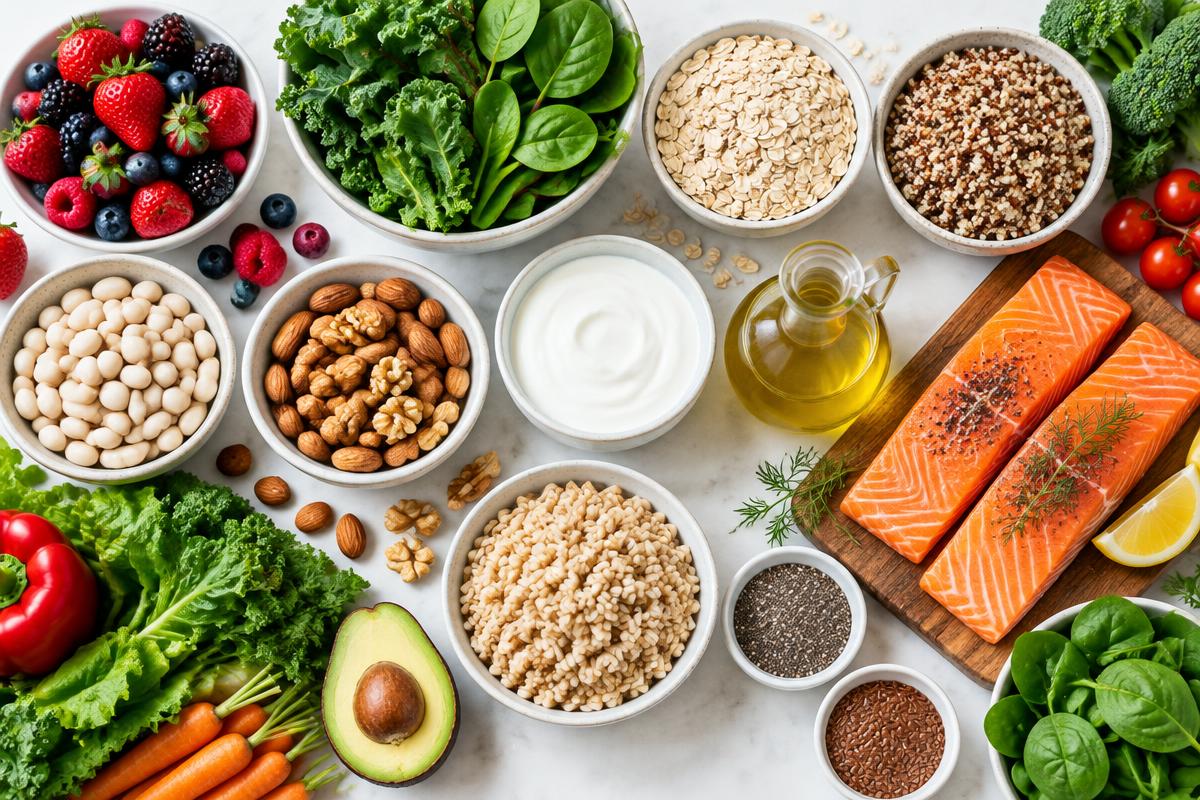
Featured Healthy Eating Article
Healthy Heart, Steadier Pressure
What the Research Shows About Food Patterns and Blood Pressure
High blood pressure often develops quietly, but it can place strain on the heart and blood vessels over time. Researchers have studied whether healthier eating patterns can help improve blood pressure, and several well-known trials have shown meaningful changes. This page summarizes those findings and presents them in a clear, visual way.
What Is Blood Pressure?
Blood pressure is the force of blood pushing against artery walls. It is usually reported as two numbers: systolic pressure (the top number, when the heart beats) and diastolic pressure (the bottom number, when the heart relaxes between beats).
Over time, elevated blood pressure can place extra strain on the heart and blood vessels. The example below explains the numbers, not your personal target or a diagnosis.

Systolic · top number
120
Pressure when the heart beats
120 / 80 mm Hg
Illustrative example only
Not a personal target or diagnosis
Diastolic · bottom number
80
Pressure between heartbeats
What’s in range for an average adult
Typical categories for adults who are not pregnant, from American Heart Association guidance. A category is set by whichever number is higher, and a clinician confirms a diagnosis from an average of two or more readings taken on different occasions.
Systolic · top number
- NormalLess than 120
- Elevated120–129
- Stage 1 high130–139
- Stage 2 high140 or higher
- Severe · call nowHigher than 180
Diastolic · bottom number
- NormalLess than 80
- ElevatedLess than 80
- Stage 1 high80–89
- Stage 2 high90 or higher
- Severe · call nowHigher than 120
Category ranges: American Heart Association — Understanding Blood Pressure Readings
Why Food Can Matter So Much
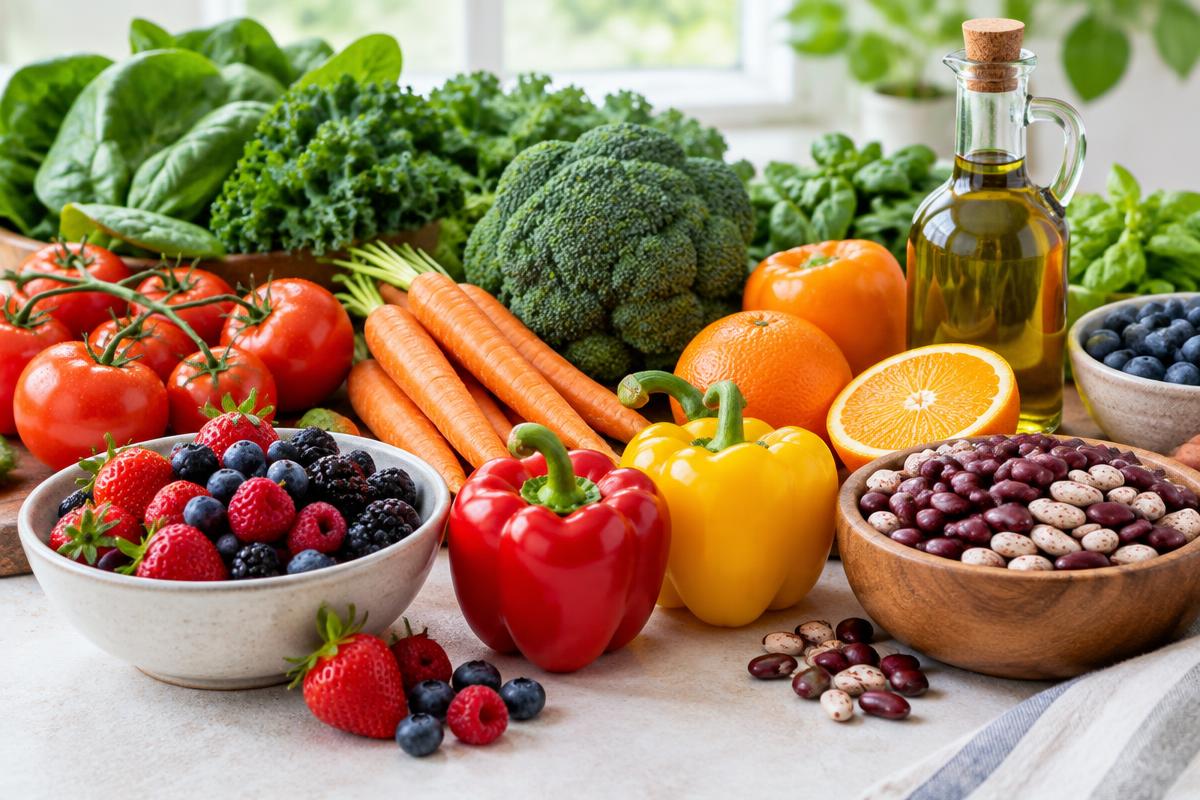
A healthier eating pattern may support blood pressure by improving the overall nutrient balance of the diet. No single nutrient is a miracle. DASH (Dietary Approaches to Stop Hypertension, an eating pattern studied for high blood pressure) brings several food choices together.
- Less sodium (a mineral in salt and many packaged foods), with more vegetables, fruit and minimally processed meals.
- More potassium, magnesium and calcium from appropriate foods, alongside fiber (the part of plant foods that supports digestion).
- Whole grains, legumes (beans, lentils and peas), nuts and seeds, low-fat dairy where appropriate, and fish or lean proteins.
- Support for healthier body weight and overall diet quality, with less saturated fat (the fat common in butter, fatty meats and cheese) and added sugar.
How These Studies Tested Diet and Blood Pressure
Some studies supplied all food and held weight steady; others tested a comprehensive lifestyle intervention (a coached program of diet, activity and other habit changes). Results should be interpreted in context.
There are three trials below and one secondary analysis (a closer look at data from an existing trial). The blood-pressure-control analysis uses DASH-Sodium data, so it is not an independent fourth trial.
mm Hg (millimeters of mercury, the unit used to measure blood pressure) describes an absolute pressure difference. Percentages describe how many participants met a study outcome, not how much their pressure fell.
What Published Studies Found
Average study results, not predictions for an individual. Compare each result with its own study group and outcome.
Research comparison 1
Original DASH Trial
1997 · Appel et al., New England Journal of Medicine
459 adults with above-optimal blood pressure received controlled diets for eight weeks after a three-week run-in. Sodium intake and body weight stayed constant. The DASH combination diet emphasized fruit, vegetables and low-fat dairy, with less saturated and total fat.
With hypertension (high blood pressure) · 133 adults
DASH vs control: −11.4 mm Hg systolic; −5.5 mm Hg diastolic.
Without hypertension · 326 adults
DASH vs control: −3.5 mm Hg systolic; −2.1 mm Hg diastolic.
The dietary pattern improved pressure, with larger differences among participants who already had high blood pressure. Across all participants, the difference was 5.5 systolic and 3.0 diastolic mm Hg.
Diet alone, not a medication-replacement study. The control was a defined typical-US-pattern diet low in fruit, vegetables and dairy, not “no treatment.” These are average between-diet differences, not individual promises.
Study source · PMID 9099655Research comparison 2
DASH-Sodium Trial
2001 · Sacks et al., New England Journal of Medicine
412 adults received either DASH or a control diet at three sodium levels, each for 30 days in randomized order (assigned by chance). At 2,100 calories/day: high ≈3,450 mg, intermediate ≈2,300 mg, low ≈1,150 mg sodium. Amounts were adjusted with food energy to maintain weight.
Control diet · high to intermediate to low sodium
Systolic pressure fell 2.1 mm Hg, then an additional 4.6 mm Hg.
DASH diet · high to intermediate to low sodium
Systolic pressure fell 1.3 mm Hg, then an additional 1.7 mm Hg.
Both sodium reduction and DASH helped. Their combination produced the largest improvements; without hypertension the same combined comparison was 7.1 mm Hg.
Controlled feeding, not a personal sodium prescription. The original trial’s low reference dose was about 1,150 mg, not 1,500 mg. Sodium is not the same as the weight of salt. Long-term effects and individual responses may differ.
Study source · PMID 11136953Research comparison 3
Blood Pressure Control Analysis from DASH-Sodium
2004 · Svetkey et al., Journal of Clinical Hypertension
This analysis examined participants with hypertension at baseline. “Control” meant systolic below 140 AND diastolic below 90 mm Hg under the study definition, not a current personal target.
Control diet + high sodium
32% achieved blood-pressure control.
DASH + high sodium
63% achieved blood-pressure control.
Control diet + low sodium
74% achieved blood-pressure control.
DASH + low sodium
84% achieved blood-pressure control.
84% versus 32% achieved the study’s control definition. Separately, 77% on DASH + low sodium reached the study’s “normal or optimal” pressure outcome; this is not a 77% pressure reduction.
Secondary analysis of the same DASH-Sodium trial, not a new trial. Controlled feeding is not an everyday guarantee. The 84% control outcome and 77% normal-or-optimal outcome are different endpoints.
Study source · PMID 15249792Research comparison 4
PREMIER Trial
2003 · Appel et al., JAMA
810 adults with above-optimal pressure or stage 1 hypertension (the trial’s mild-high-pressure category), not taking blood-pressure medicines, were assigned to advice only, established lifestyle changes, or lifestyle changes plus DASH. Programs included weight loss, activity, sodium reduction and limiting alcohol.
Advice only
26% had hypertension at six months.
Established lifestyle changes
17% had hypertension; systolic pressure was 3.7 mm Hg lower than advice only.
Lifestyle changes + DASH
12% had hypertension; systolic pressure was 4.3 mm Hg lower than advice only.
Hypertension prevalence (the proportion of people with high blood pressure) was 12% versus 26%: 14 percentage points lower. Multiple lifestyle changes helped compared with advice alone.
A broader lifestyle trial, not diet alone. Adding DASH to the established lifestyle program gave a 0.6 mm Hg extra systolic difference that was not statistically significant (the study could not confidently separate it from chance; P=0.43). Do not attribute the whole benefit to DASH alone.
Study source · PMID 12709466What These Findings Mean — and What They Do Not Mean
What these studies support
- Heart-healthy eating patterns can improve blood pressure in research settings.
- Lower sodium intake can further improve results.
- Combined lifestyle approaches can outperform advice alone.
- Benefits were seen in people with hypertension and with above-optimal blood pressure.
What these studies do not prove
- The same response is not guaranteed for every person.
- Diet is not the only factor that matters.
- Results do not replace medical treatment or mean everyone can stop medication.
- Some strongest results came from controlled feeding or intensive programs.
- Different outcomes and study designs should not be ranked as if interchangeable.
What These Food Patterns Often Look Like
Food ideas, not measured trial menus. Sodium depends on ingredients, products and preparation.
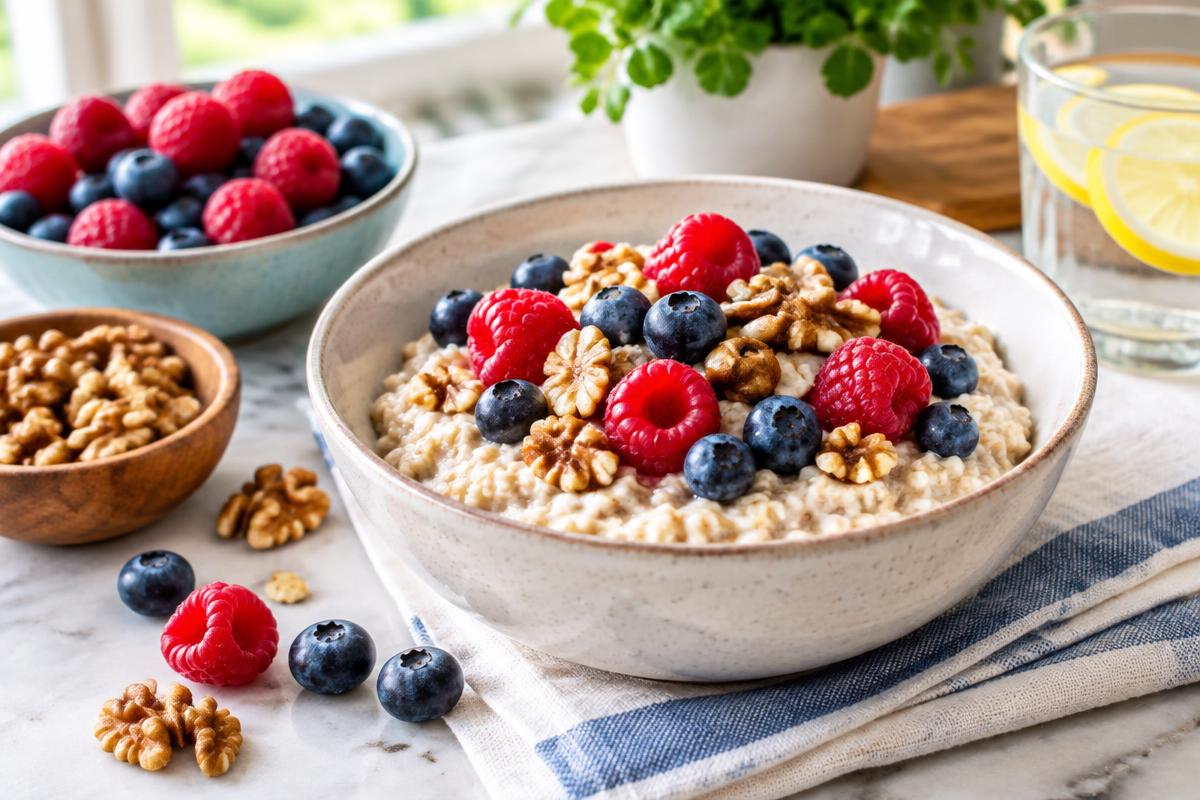
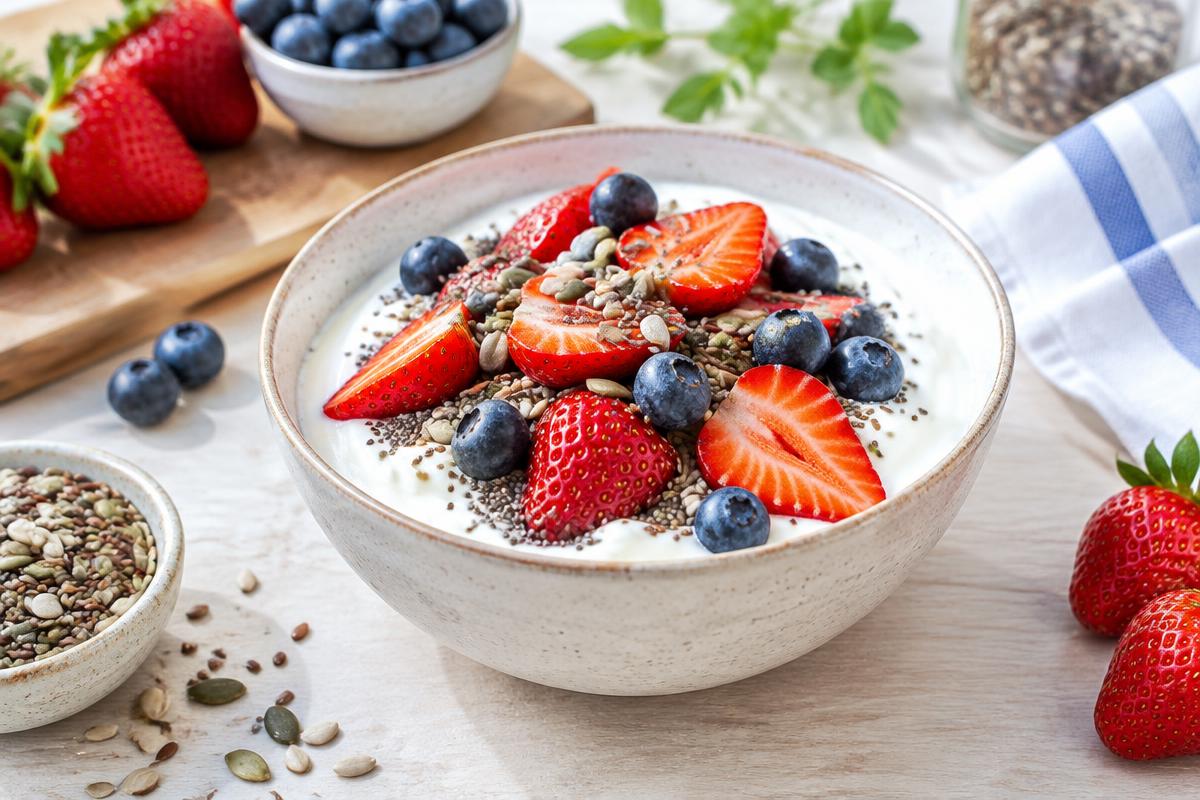
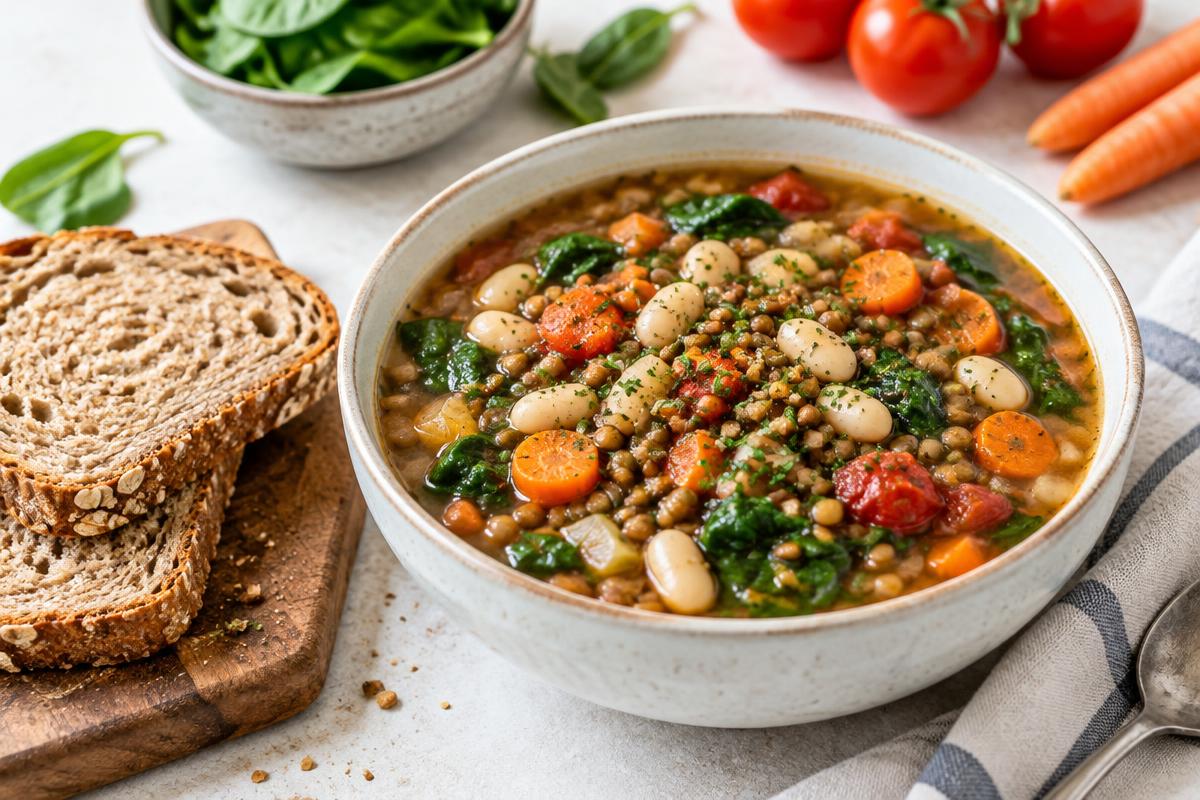
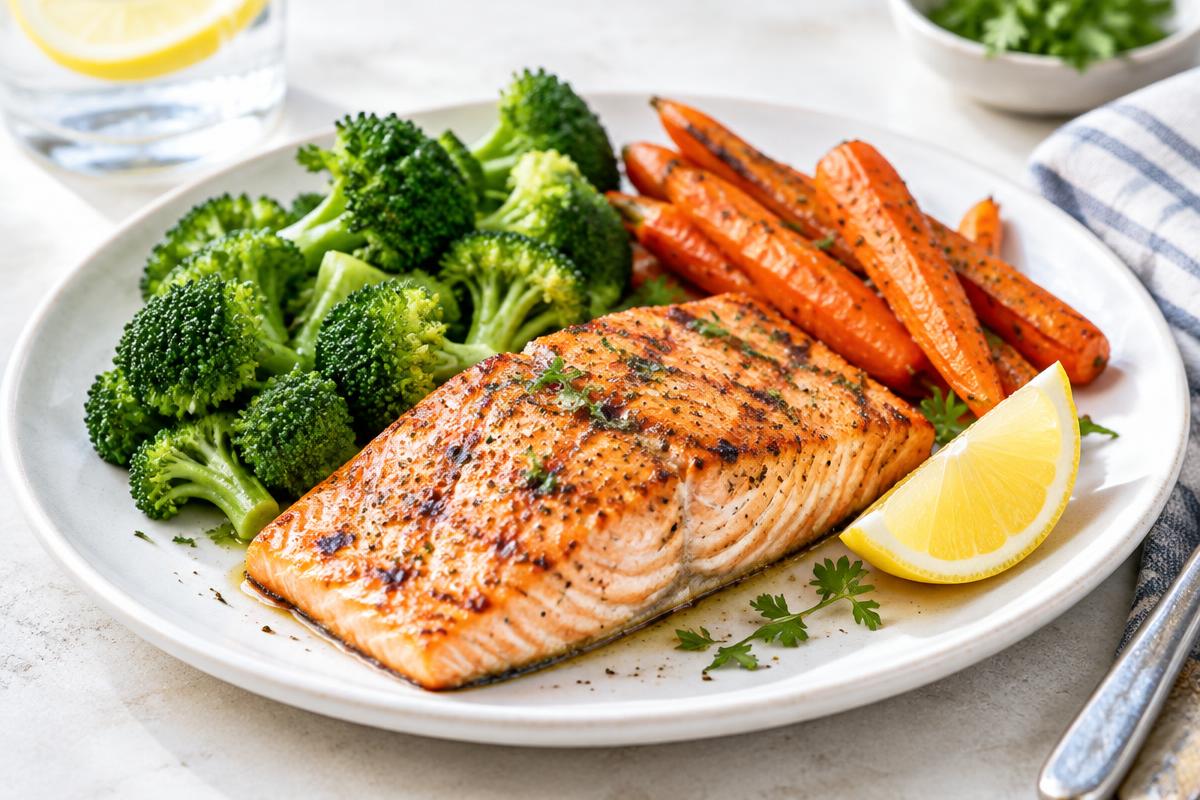
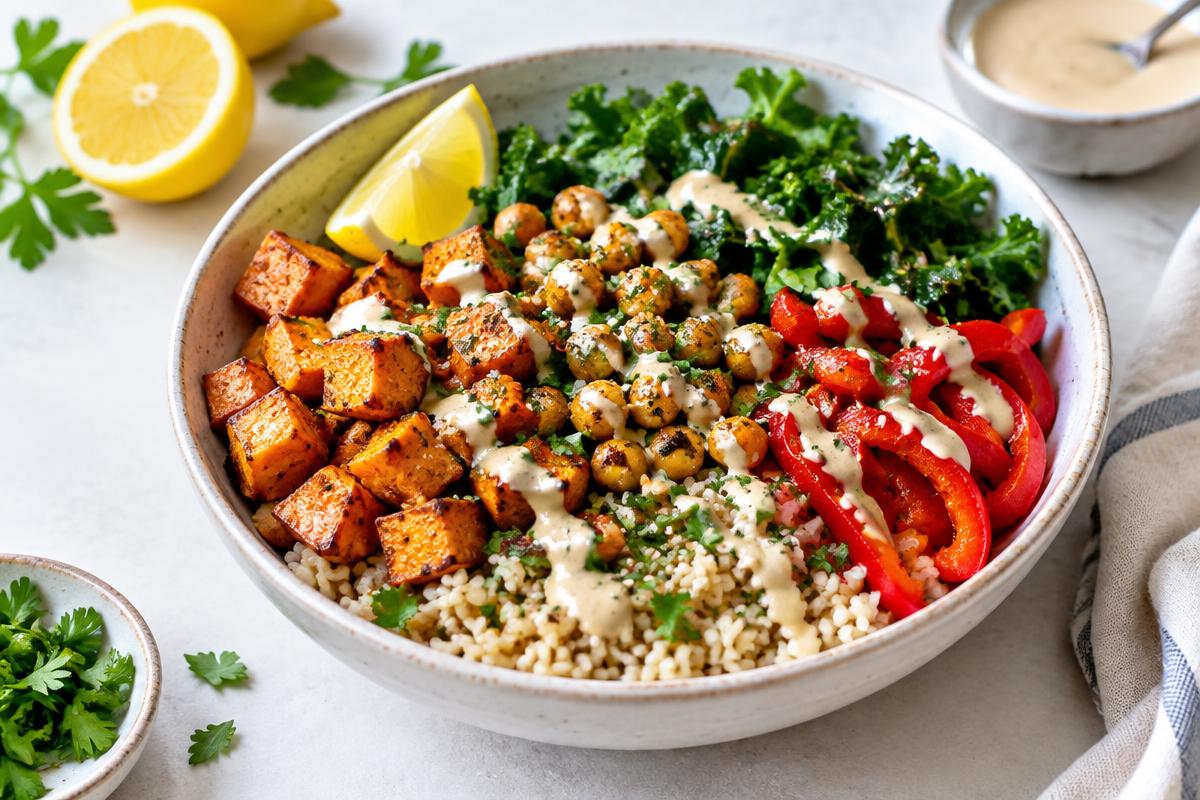
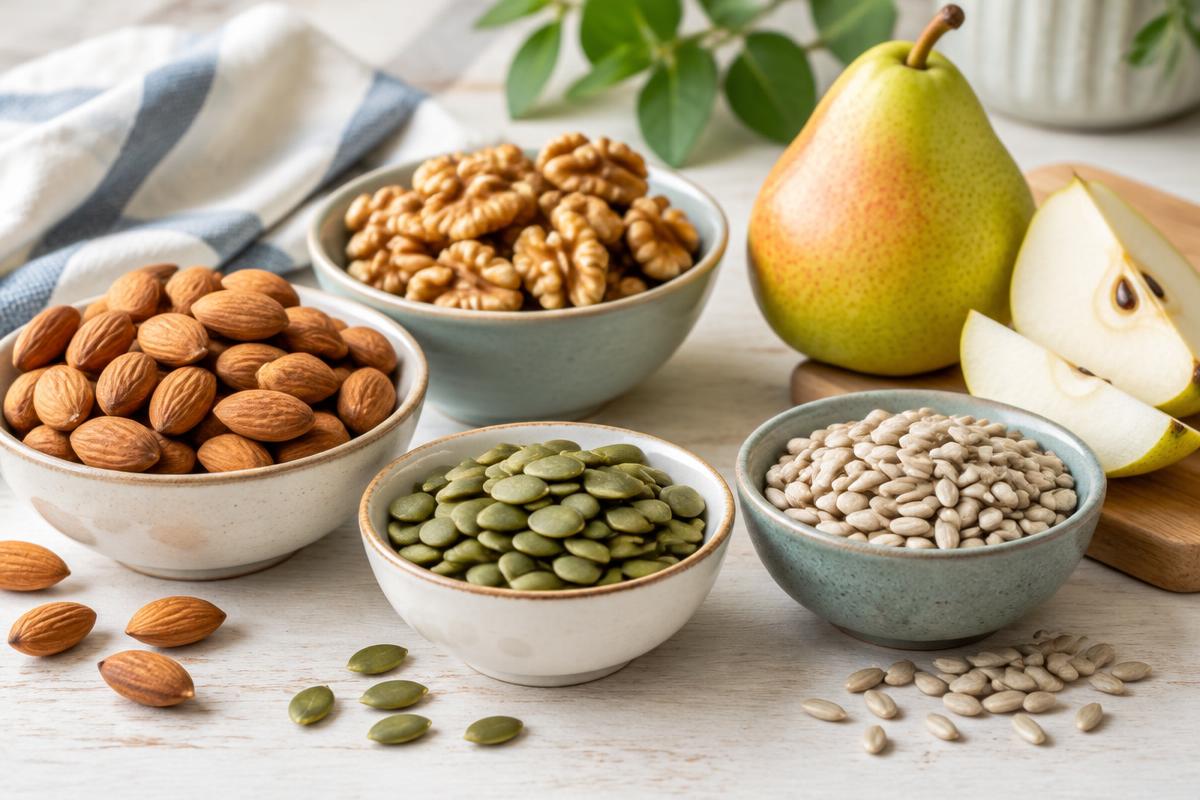
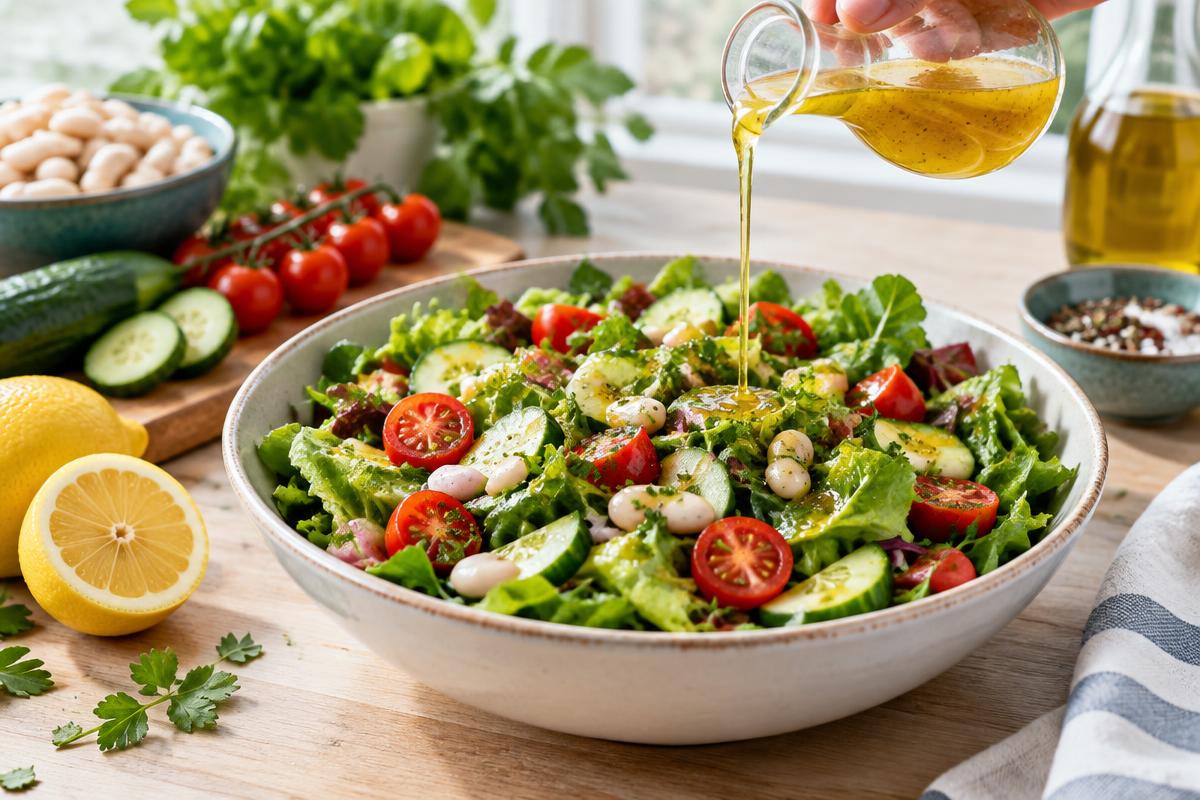
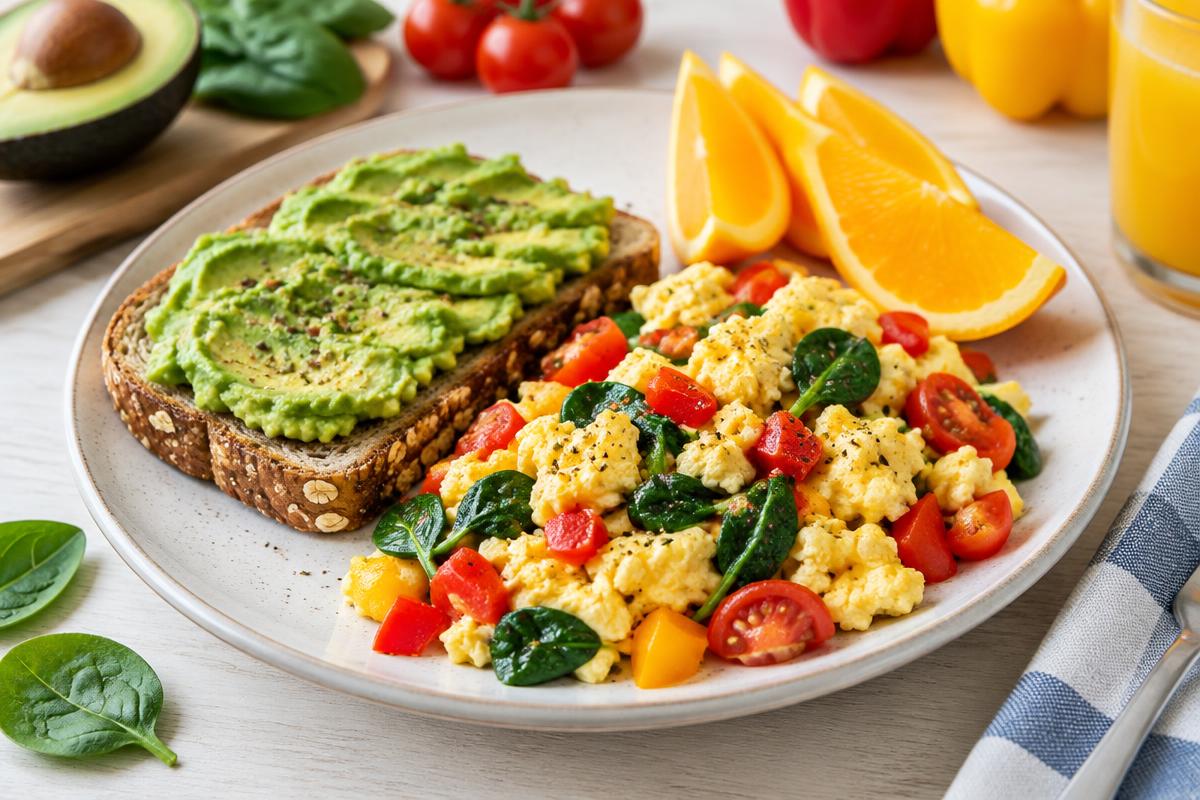
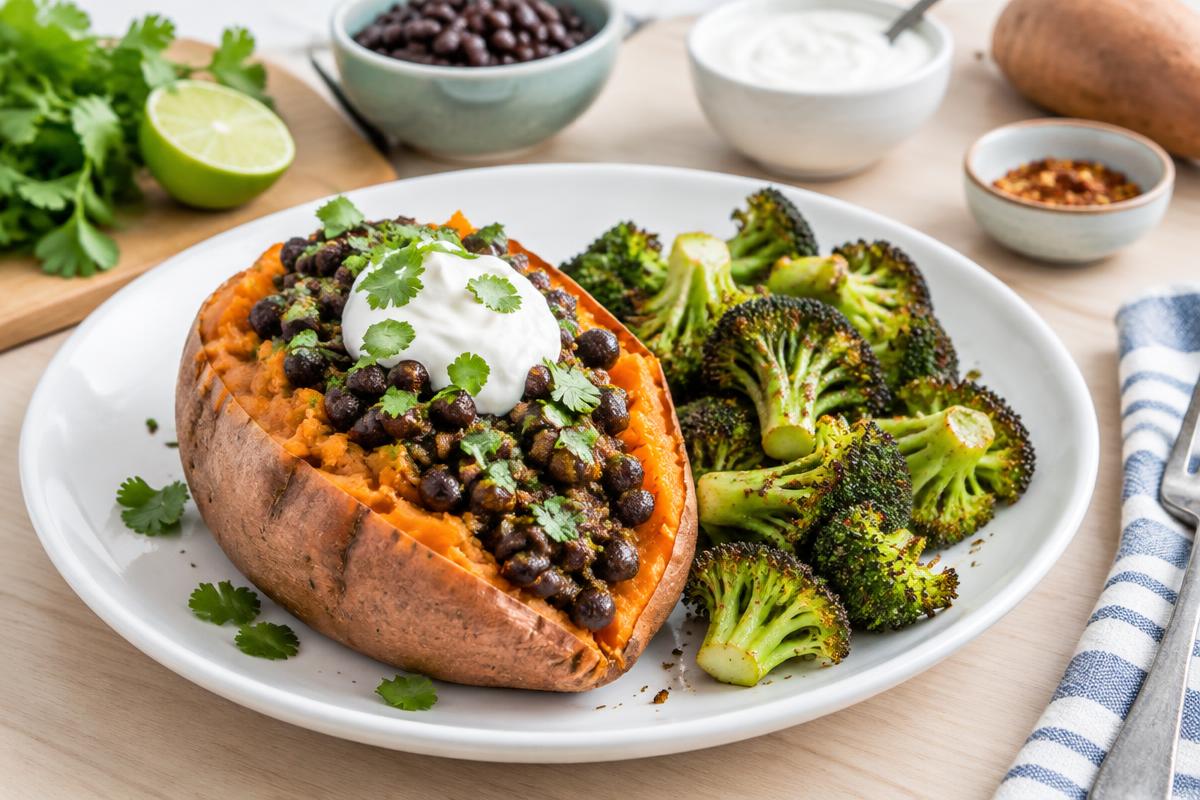

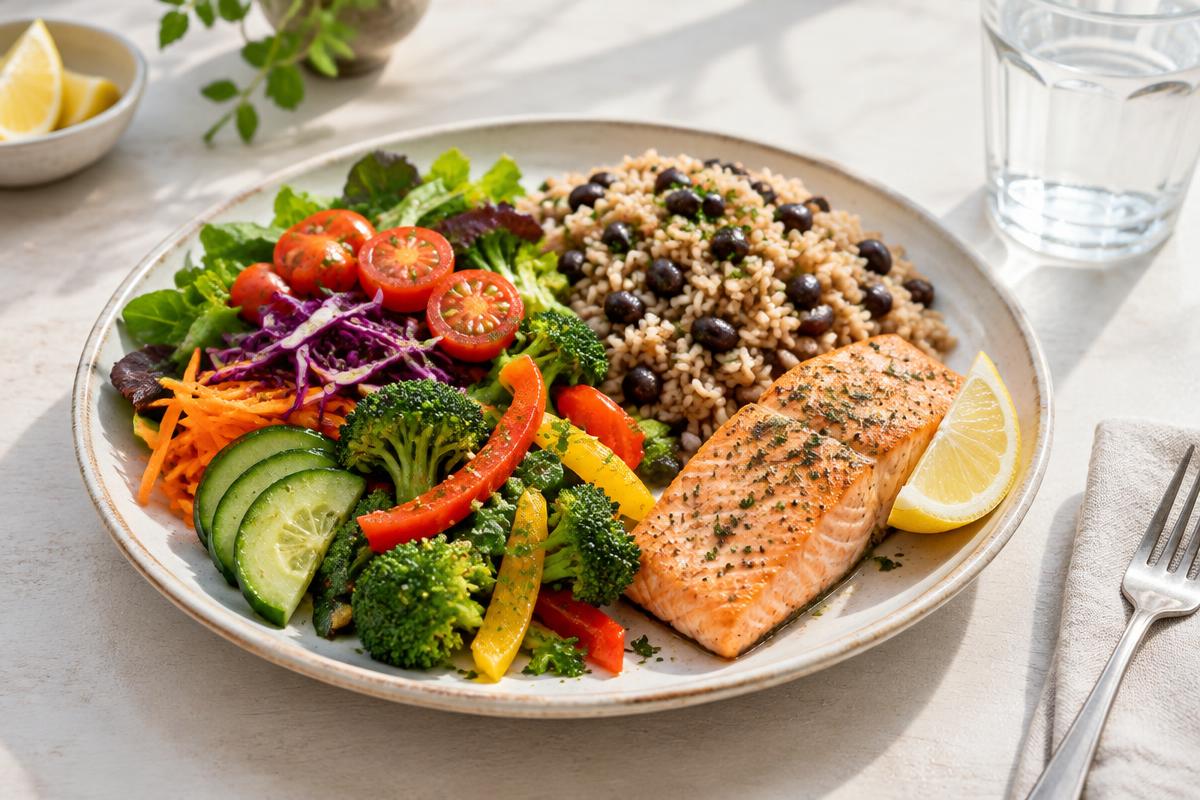
What Heart-Healthy Blood Pressure-Friendly Eating Often Includes
More Often
- Vegetables and fruit
- Beans and lentils
- Whole grains
- Unsalted nuts and seeds
- Low-fat dairy, if appropriate
- Fish and lean proteins
- Minimally processed foods
- Home-cooked meals and lower-sodium choices
Less Often
- Heavily processed meats
- Very salty packaged foods and snacks
- Sodium-heavy fast food and frozen meals
- Sugar-sweetened beverages
- Heavy use of high-sodium sauces and condiments
It’s Not Just About Salt
Reducing sodium matters, but overall food pattern matters too. A DASH-style pattern is often higher in potassium, magnesium, calcium and fiber. These broader diet qualities likely contribute to its effects.
Keep the focus on food, not potassium supplements. People with kidney disease or certain medical conditions, and people taking medicines that affect potassium, may need personalized guidance about potassium-rich foods and potassium-based salt substitutes.
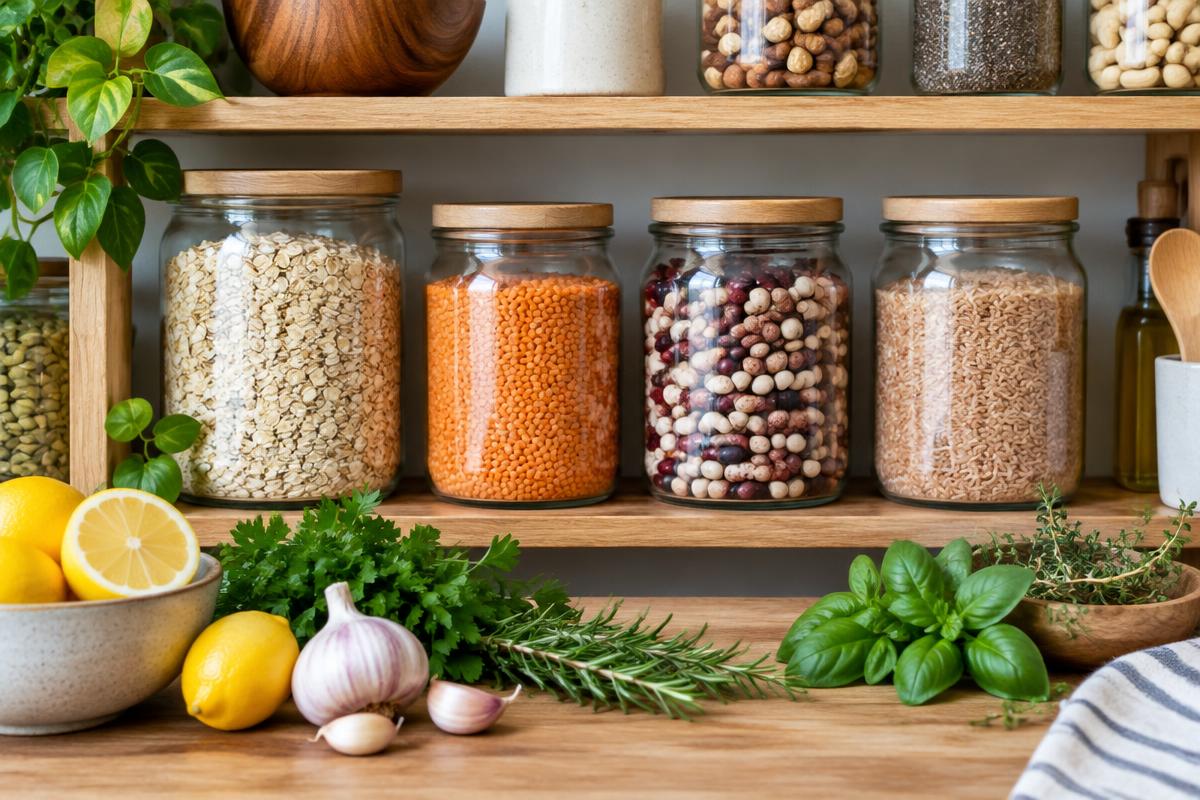
What This Can Look Like in Real Life
Small, repeatable choices can make a food pattern easier to sustain. Compare sodium per serving on labels; products and portion sizes vary.
- Swap salty breakfast meats for oatmeal, plain yogurt, fruit, or eggs with vegetables.
- Try beans, a lower-sodium soup, or a grain bowl in place of sodium-heavy fast food.
- Use herbs, citrus, garlic, onion and spices for flavor instead of relying on salt. Acids add flavor; they do not remove sodium.
- Compare labels on soups, sauces, broths, breads and frozen meals.
- Keep easy fruit, vegetables, unsalted nuts, yogurt and whole-grain items on hand.
- Build your week around simple meals. Check sale items against labels rather than assuming every deal is lower in sodium.

Key Takeaways
- DASH is one of the best-studied eating patterns for blood pressure.
- Lower sodium intake can add to the benefit of a heart-healthy pattern.
- Food patterns matter beyond a single nutrient.
- Broader lifestyle programs can help, but diet-alone effects must remain distinct.
- Use these findings for education alongside personal medical care, not instead of it.
Study References
Sources checked 2026-10-25 · General education, not a claim of professional medical review.
- Appel LJ et al. A clinical trial of the effects of dietary patterns on blood pressure. NEJM, 1997. PMID: 9099655
- Sacks FM et al. Effects on blood pressure of reduced dietary sodium and DASH. NEJM, 2001. PMID: 11136953
- Svetkey LP et al. DASH diet, reduced sodium intake and blood pressure control. J Clin Hypertens, 2004. PMID: 15249792
- Appel LJ et al. Main results of the PREMIER clinical trial. JAMA, 2003. PMID: 12709466
- American Heart Association: Managing Blood Pressure with a Heart-Healthy Diet
- NHLBI: DASH Eating Plan
Explore Related Topics
Food is not the only part of the blood-pressure picture, but it is a practical everyday choice. Published research shows that healthier eating patterns can move blood pressure in a better direction; individual results vary. With Healthy Heart Choices, every meal is another chance to support a steadier, stronger future.