
Plant protein & fiber
Chickpeas provide protein and soluble fiber, which help you feel full and support healthy cholesterol levels as part of a balanced diet.
Special lesson
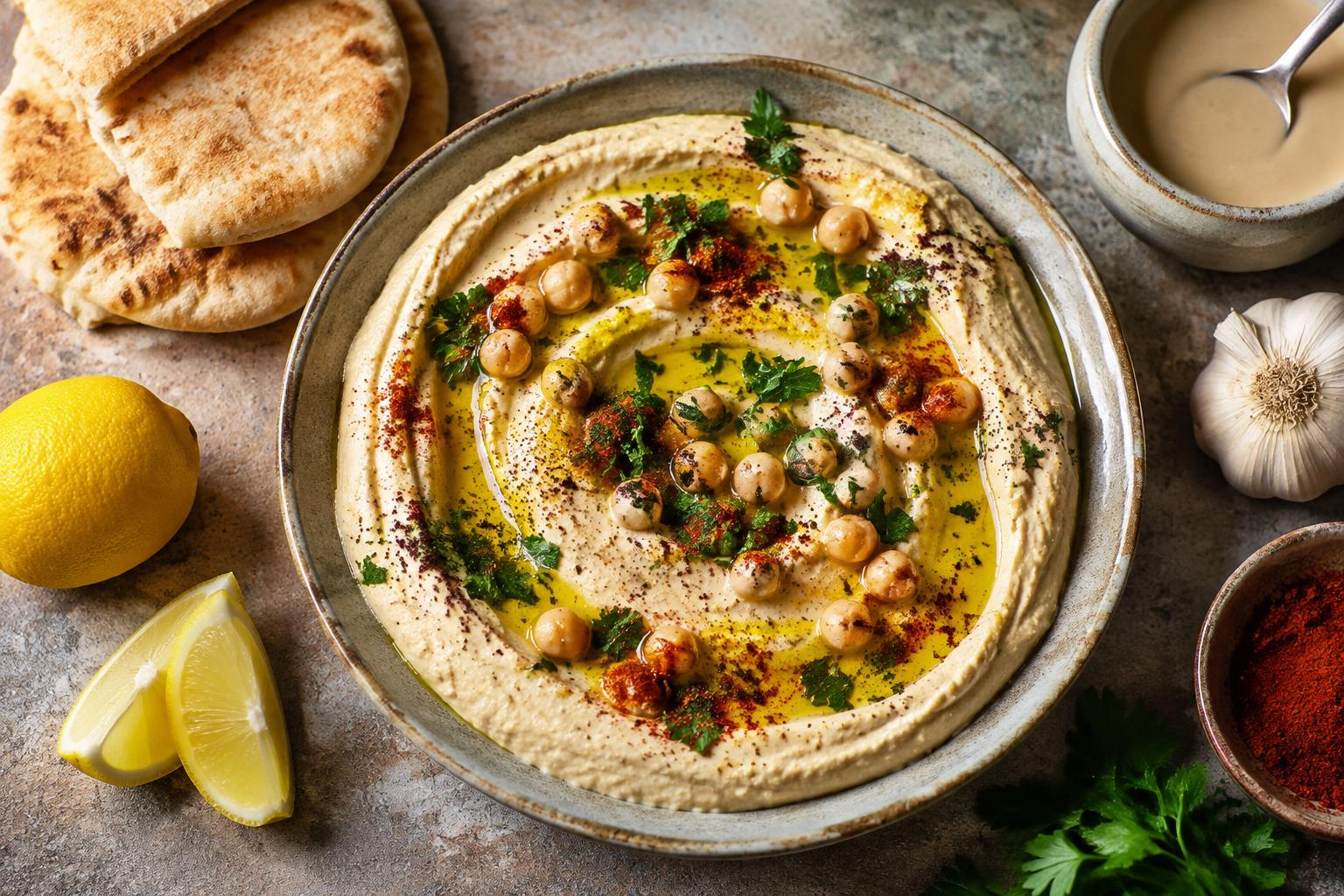
Five humble ingredients — chickpeas, tahini, lemon, garlic and olive oil — have fed people for centuries. Learn where hummus came from, why it’s so good for you, how to make it silky smooth, and how to flavor and present it beautifully.
Part 01
Chickpeas are among the oldest cultivated crops, grown in the Middle East for roughly 10,000 years. Sesame and lemon were also staples of the region long before anyone wrote down a recipe.
Cookbooks from 13th-century Cairo describe chickpea purées seasoned with vinegar, herbs and spices — close relatives of today’s dish. The familiar version with tahini and lemon became popular in later centuries.
Lebanon, Syria, Palestine, Israel, Egypt, Turkey and Greece all claim hummus with pride. The name simply means “chickpea” in Arabic; the full name, hummus bi tahini, means chickpeas with tahini.
Today hummus is everywhere from street stalls to grocery coolers. In many homes it is still eaten the traditional way: warm, scooped up with fresh pita, often for breakfast.
Part 02
Chickpeas provide protein and soluble fiber, which help you feel full and support healthy cholesterol levels as part of a balanced diet.
Olive oil and tahini supply mostly unsaturated fats. Keep the drizzle modest — fats are healthy but calorie-dense.
Hummus is naturally free of cholesterol and very low in sugar. Homemade lets you control the salt, which store-bought versions often add generously.
Chickpeas and sesame contribute folate, iron, magnesium, copper and manganese; lemon adds a bright splash of vitamin C.
Creamy
Properly blended hummus is silky, light and almost whipped — never pasty.
Balanced
Nutty tahini, bright lemon, gentle garlic and a whisper of cumin in harmony.
Versatile
A dip, a spread, a sauce, a dressing, a base for bowls — sweet or savory.
Make-ahead
Keeps 4–5 days in the refrigerator and tastes even better the next day.
A two-tablespoon portion is half of the classic recipe’s standard serving, approximately 1/4 cup (4 tablespoons). Set My portion to 0.5 for that portion. Pair it with vegetables and include the oil drizzle in your portion; the recipe estimate includes the listed serving oil.
Part 03
Yield: approximately 2 cups
Servings: 8
Serving size: approximately 1/4 cup (4 tablespoons)
Canned no-salt-added chickpeas are quick and great. For the creamiest result, soak dried chickpeas overnight and simmer with a pinch of baking soda until they crush easily between your fingers — about 1–1½ hours.
Even canned chickpeas benefit from a 15–20 minute simmer in fresh water. Overcooked is your friend here: softer chickpeas blend into a smoother purée.
Rub warm chickpeas in a towel or between your fingers to loosen the thin skins. It takes ten minutes and gives you restaurant-smooth hummus. Skip it on busy days — it is still delicious.
Blend the garlic with the lemon juice and salt first and let it sit 5–10 minutes. The acid mellows garlic’s sharp bite while keeping its flavor.
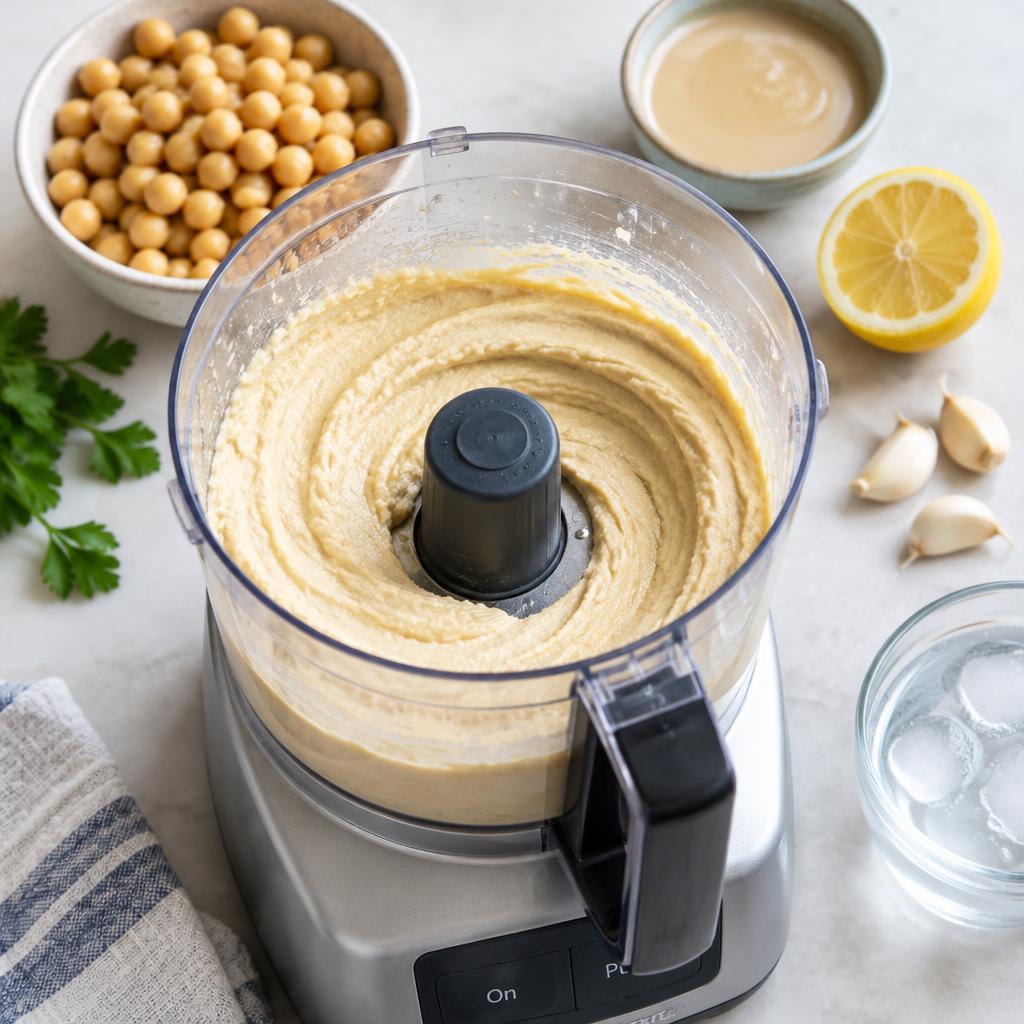
Add the tahini to the lemon-garlic mixture and process about 1 minute, scraping the bowl. It will thicken and turn pale — this step is the secret to fluffy hummus.
With the motor running, drizzle in about half of the ice-cold water shown in your ingredient list. The tahini will loosen into a smooth, creamy sauce.
Add the warm chickpeas and cumin. Process 3–4 full minutes, stopping to scrape down the sides. Stream in more ice water a spoonful at a time until silky and spreadable.
Add lemon for brightness, cumin for warmth, or a tiny pinch of salt if flat. Remember it firms slightly as it chills.
Let it rest at least 15 minutes so flavors settle. Serve at room temperature or slightly warm for the fullest flavor.
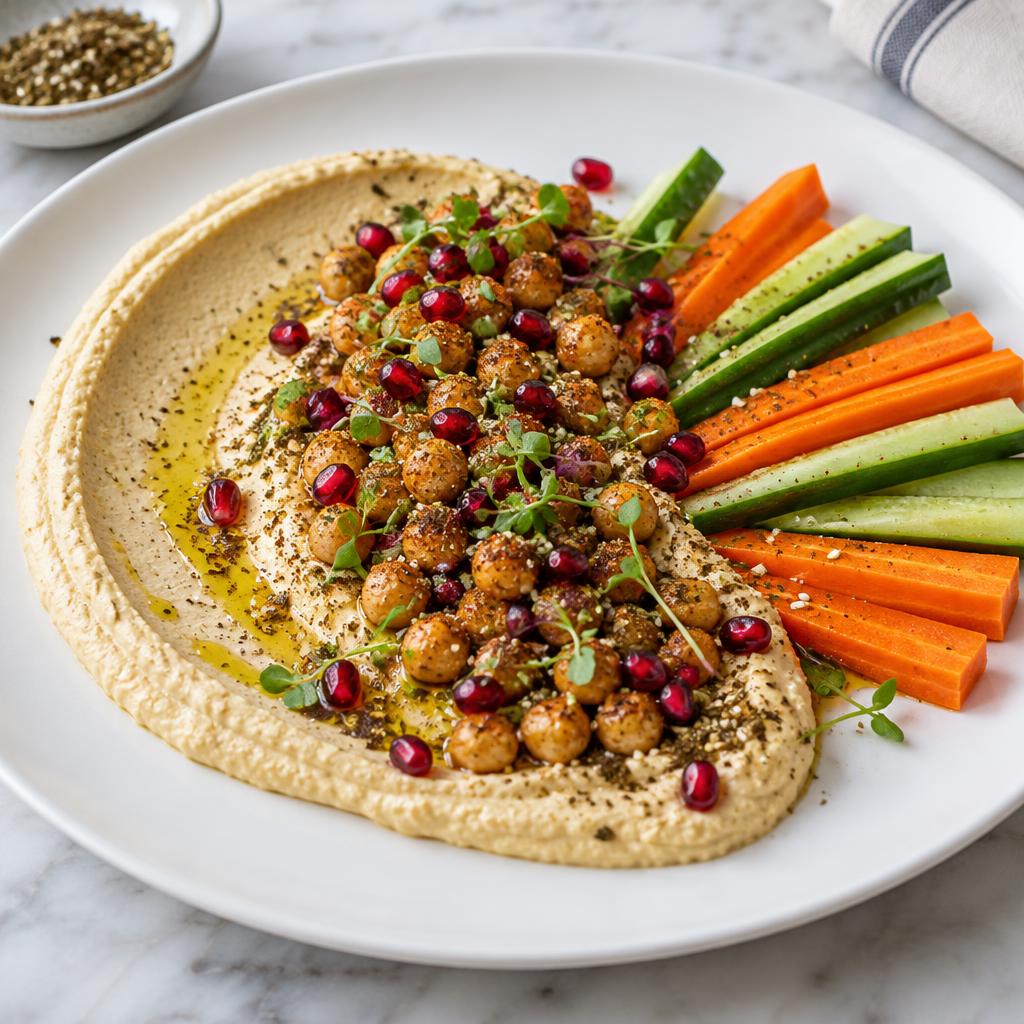
Chickpeas, tahini, lemon and garlic blended until silky, finished with a measured olive-oil drizzle.
30 min · Yield: approximately 2 cups · Servings: 8
Serving size: approximately 1/4 cup (4 tablespoons)
Contains: Sesame
Checking recorded nutrition updates…
Estimated, not professionally reviewed. Changes to ingredients or portions change nutrition.
Ingredient-weight estimate, summed for the actual batch and divided by 8. USDA household measures; a representative 3 g garlic clove and whole-cumin teaspoon weight used as an approximate ground-cumin conversion. Includes roasted tahini, ¼ tsp salt and all serving oil. Water contributes no energy; optional extra lemon, salt and toppings are excluded. Yield is approximate, not a measured gram weight.
USDA FoodData Central — SR Legacy April 2018Source data checked 2026-10-22; no professional review documented.
Part 04
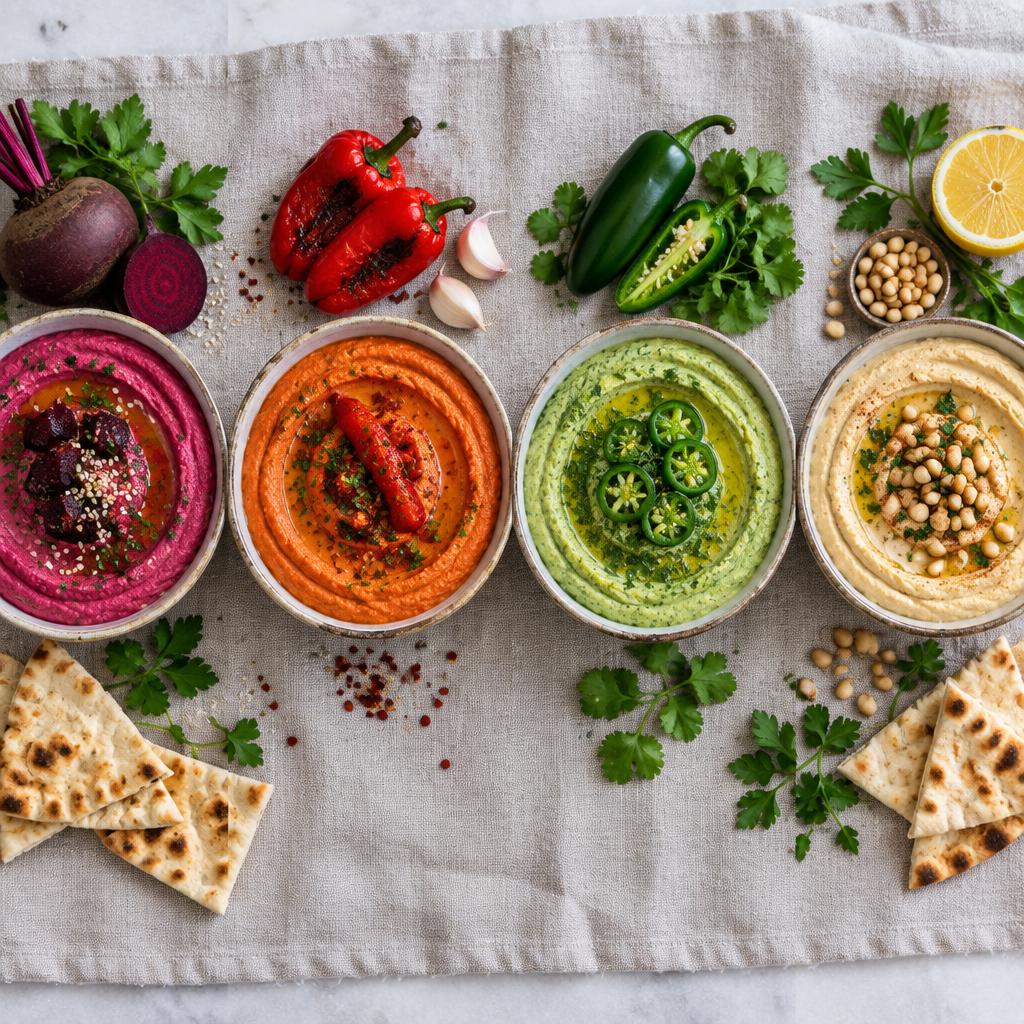
These are educational flavor ideas, not complete planning recipes. Additions change yield, nutrients and allergens. They do not have recipe-saving or shopping actions; the classic recipe above is a separate, quantified recipe. Add extras after blending and adjust texture to taste.
1 roasted red pepper, patted dry, plus ½ tsp smoked paprika. Top with sliced pepper.
1 small roasted beet for a vivid pink color. Finish with feta crumbles and dill.
A whole head of roasted garlic in place of raw. Sweet, mellow and deep.
1 cup roasted carrots, extra cumin and a pinch of cinnamon.
½ cup roasted squash purée, a little sage or a dusting of nutmeg.
½ cup roasted sweet potato with ½ tsp chipotle powder and lime instead of lemon.
1 cup parsley, cilantro and dill. Bright green and fresh.
A handful of baby spinach and ½ cup chopped artichoke hearts.
½ avocado, lime juice and cilantro. Eat within a day.
1 seeded jalapeño and a handful of cilantro. Top with jalapeño rings.
A small handful of basil, a few pine nuts and lemon zest.
Swap half the chickpeas for shelled edamame, add ginger and a dash of low-sodium soy.
1–2 tsp harissa paste swirled in and on top. Smoky North African heat.
4 oil-drained sun-dried tomatoes and a few Kalamata olives — omit the added salt.
1 tsp curry powder, a pinch of turmeric and a squeeze of lime.
Blend classic, then top generously with za’atar, sumac and olive oil.
Swap chickpeas for black beans, add lime, cumin and chili powder.
Cannellini beans, fresh rosemary and lemon zest — Tuscan style.
Fold whole warm chickpeas into loose, lemony hummus for a rustic texture.
Top with a small amount of lean ground meat browned with cinnamon and allspice.
2 tbsp unsweetened cocoa, vanilla and a little mashed banana or dates — no tahini garlic or cumin. Serve with fruit.
Unsweetened applesauce, cinnamon and vanilla with a touch of tahini.
Pumpkin purée, pumpkin pie spice and a few dates. Great for holidays.
Lemon zest and vanilla, swirled with mashed fresh blueberries.
Part 05
Part 06
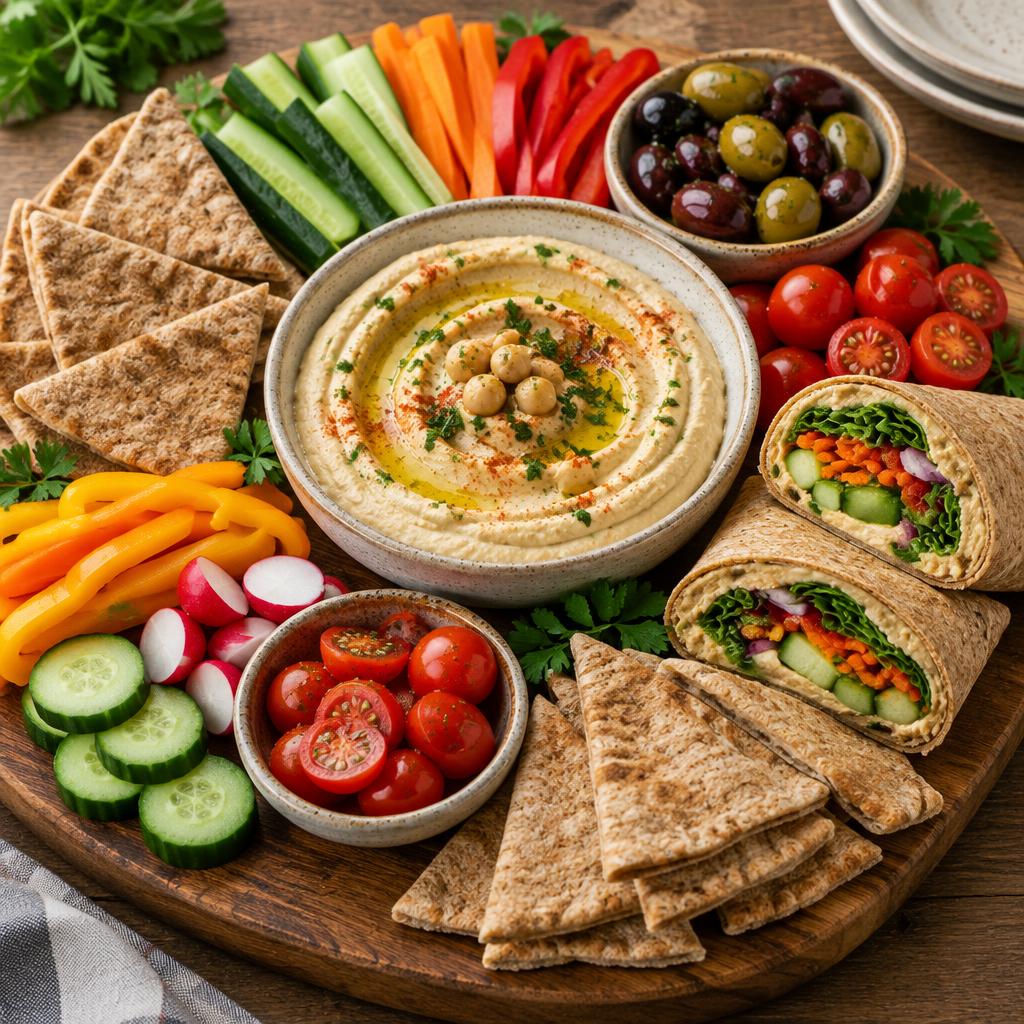
Replace mayonnaise with hummus for creaminess with fiber and protein.
Thin 2 tbsp hummus with lemon juice and water for a creamy, dairy-free dressing.
Add a scoop under roasted vegetables, quinoa and a lean protein.
Loosen hummus with a splash of pasta water and toss with whole-wheat pasta and greens.
Swap the mayo in the yolk filling for hummus and top with paprika.
Spread instead of tomato sauce, then top with vegetables and a little feta.
Whole-grain toast, hummus, sliced tomato and a soft egg.
Pipe into mini peppers, cucumber cups or celery for party bites.
Brush thinned hummus on chicken or fish before roasting for a golden crust.
Stir a spoonful into mashed cauliflower for creaminess without butter.
Part 07
Grainy or pasty
Cook chickpeas softer, blend longer, and add more ice water a spoonful at a time. Removing skins helps most.
Bitter
Your tahini may be old or low quality. Add a little more lemon and a pinch of salt; next time taste the tahini first.
Too thick
Blend in ice water or lemon juice, one tablespoon at a time.
Too thin
Add a few more chickpeas or a spoonful of tahini and blend again. It also firms up when chilled.
Garlic too sharp
Next time let garlic sit in lemon juice first, or use roasted garlic. For now, add more chickpeas and tahini.
The classic contains sesame. An alternative paste changes ingredients, nutrition and possibly allergens; do not assume a replacement is safe for your allergy. Check labels and discuss substitutions with your care team.