
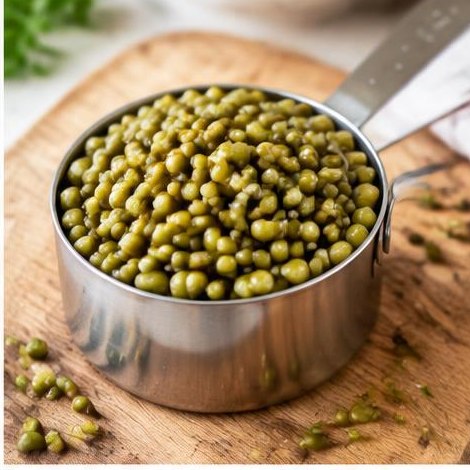
Blood Sugar Friendly
Fiber and protein make whole beans useful in balanced meals. Effects still depend on portions, preparation and the rest of the meal.
Healthy Eating · One tiny bean. Remarkable nutritional potential.
Small Bean. Big Nutrition. A Smart Choice for Your Heart and Blood Sugar.
Meet one of the most overlooked ingredients in healthy cooking. The humble mung bean has been enjoyed around the world for thousands of years, yet many Americans have never tried it.
Packed with plant protein, fiber, and valuable nutrients, mung beans can be a delicious addition to meals designed to support heart health, healthy blood sugar management, and long-term wellness.
From soups and salads to burgers, curries, and even breakfast dishes, this versatile little bean deserves a place in your kitchen.
General education, not medical advice or a substitute for treatment. Recipes and generated food photographs are authored illustrations; no professional nutrition or clinical review is claimed.
Part 01
Fiber and protein make whole beans useful in balanced meals. Effects still depend on portions, preparation and the rest of the meal.
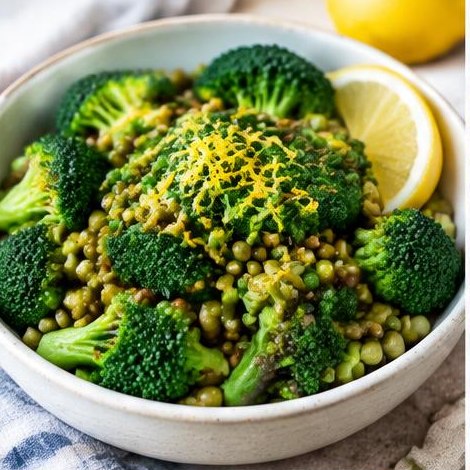
Naturally low in saturated fat and cholesterol-free, whole beans fit well into cardiovascular-health dietary patterns.
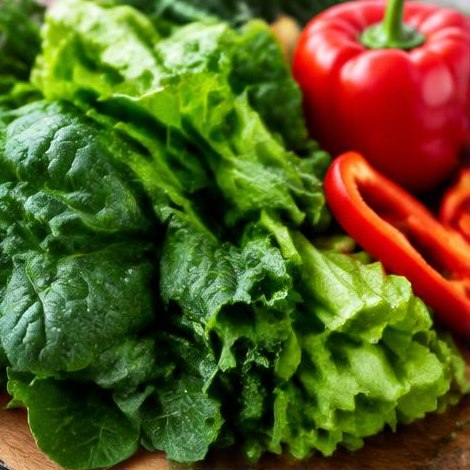
Their fiber and plant-based profile can contribute to cholesterol-conscious eating when replacing foods high in saturated fat.
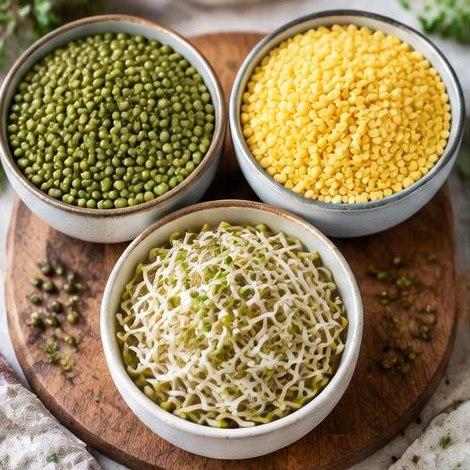
Potassium and magnesium participate in normal blood pressure regulation. Keep added sodium low; kidney disease may require individual potassium advice.
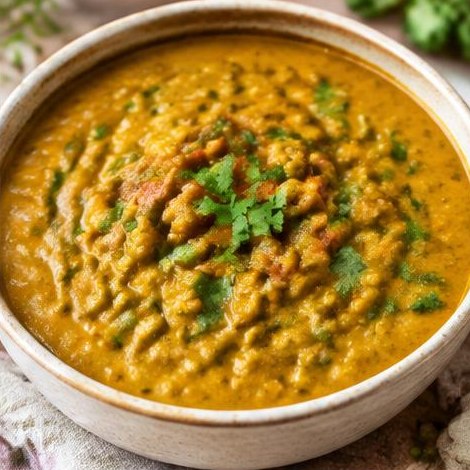
Folate, minerals and antioxidant compounds contribute to normal physiological functions, not plaque removal or vessel repair.
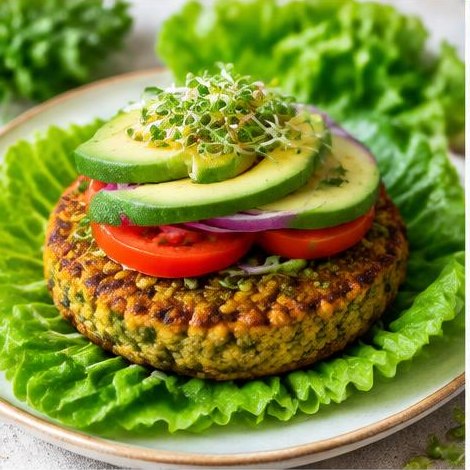
A satisfying alternative to some processed meats or higher-saturated-fat protein choices.
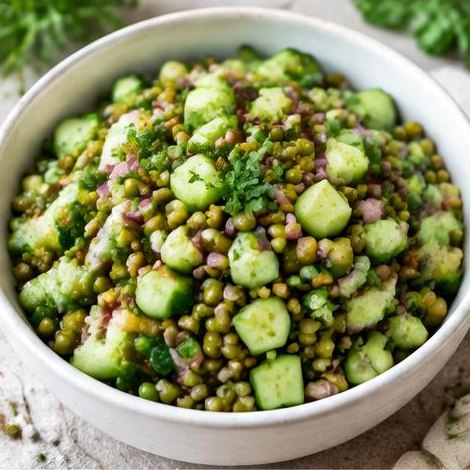
Fiber supports regularity and fullness. Increase beans gradually and drink fluids appropriate for your care plan.
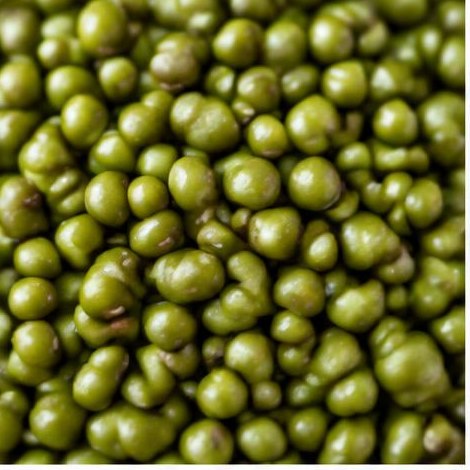
Dry beans store easily and stretch into soups, salads, patties and curries.
Part 02
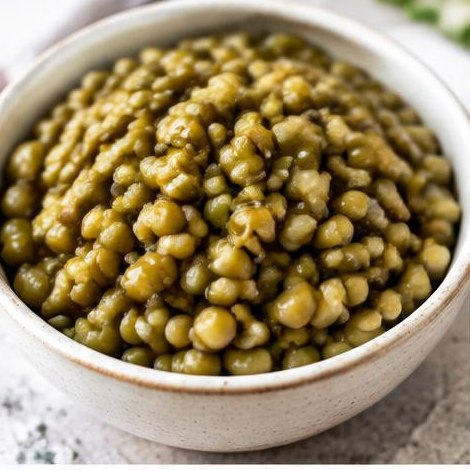
1 cup cooked, boiled, without added salt · about 202 g
A cup contains substantial carbohydrates — 38.7 g — even though the meal also supplies fiber. Beans are not carbohydrate-free.
A half-cup portion (about 101 g) provides approximately 19.3 g total carbohydrate and 7.7 g fiber, and may be a practical starting point for some meals. Your appropriate portion depends on your individual plan.
Approximate USDA SR Legacy values, rounded for display. Product, preparation and serving size vary. The potassium and folate figures are rounded household-portion values, not personalized targets.
Part 03
The meal around the beans matters as much as the beans themselves. These two conceptual illustrations compare hypothetical meals with different carbohydrate compositions — not a clinical trial of one bean against another.
A traditional bean-based meal with a large serving of beans, refined white rice, and a sugary sauce.
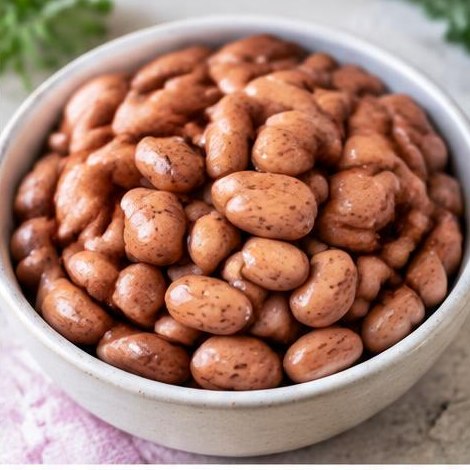
A large, carbohydrate-heavy meal can cause a substantial rise in blood sugar, especially for someone with type 2 diabetes. Portion size, refined carbohydrates, added sugars, medications, and individual metabolism all influence the response.
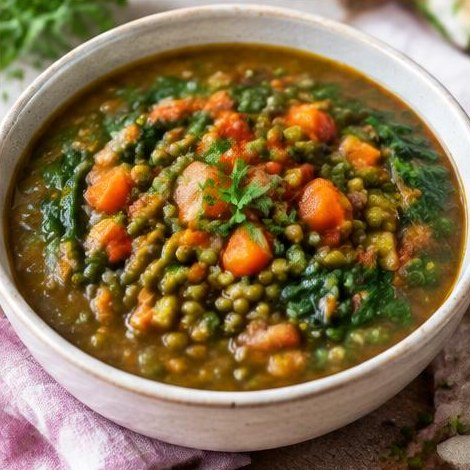
A moderate serving of whole cooked mung beans with colorful non-starchy vegetables and olive oil.
Whole mung beans provide fiber and plant protein that can help make a balanced meal satisfying. Pairing an appropriate portion with vegetables and healthy fats may help manage the overall carbohydrate impact of the meal.
Conceptual illustrations only. Not measured glucose readings or predicted individual responses. Differences reflect the overall meal, not a proven superiority of mung beans over other beans.
Mung beans, pinto beans, black beans, and lentils can all be excellent diabetes-friendly choices. Portions and total meal composition — the rice, bread, sauces, drinks and desserts beside the beans — matter far more than assuming any one bean prevents glucose spikes.
Per 100 g cooked, boiled beans without salt · USDA FoodData Central SR Legacy
| Nutrient | Mung beans | Pinto beans |
|---|---|---|
| Calories | 105 kcal | 143 kcal |
| Total carbs | 19.15 g | 26.22 g |
| Fiber | 7.6 g | 9 g |
| Protein | 7.02 g | 9.01 g |
| Sodium | 2 mg | 1 mg |
Both beans can be excellent choices. The advantage of mung beans is not that every other bean is unhealthy, but that mung beans offer a nutritious, versatile alternative that can fit beautifully into a heart-healthy, diabetes-conscious eating plan.
Nutrition estimate only — not a blood glucose predictor. Both foods use the same cooked weight.
19.34 g total carbs · 7.68 g fiber
26.48 g total carbs · 9.09 g fiber
Cup labels refer only to mung beans. Equal grams of pinto beans may occupy a different cup volume. Count total carbohydrate; fiber is listed separately, not deducted here.
Part 04
Dietary patterns containing pulses can help LDL cholesterol management, especially when they replace higher-saturated-fat foods. Trial evidence about pulses as a group does not guarantee a mung-specific result.
Replace some processed or fatty meat with beans and vegetables. Protein quantities are different; the whole meal, rather than the food’s name alone, determines its nutrition.
These minerals support normal blood pressure regulation. They are not a replacement for blood pressure treatment, and kidney disease may require individualized limits.
Folate participates in normal homocysteine metabolism. This physiological role does not establish that mung beans prevent heart attacks.
Plain cooked beans contain little saturated fat. Coconut cream, butter, salty broth and toppings can change the finished dish substantially.
Laboratory and animal studies of mung compounds are interesting preliminary evidence. They do not show that eating these beans reverses atherosclerosis, unclogs arteries, repairs damaged vessels or prevents heart attacks.
Part 05
Fiber, protein and the structure of whole cooked beans can slow digestion compared with some refined carbohydrate foods. Your glucose response still depends on total carbohydrate and the complete meal.
Start with a measured portion, pair it with non-starchy vegetables and a small amount of unsaturated fat, and account for bread, rice, sauces and drinks too. Use your personal carbohydrate plan rather than a universal diabetes portion.
Never substitute beans for diabetes medication or adjust medication based on this lesson. If you use insulin or medicines that can cause low glucose, discuss major eating changes with your care team.
½ cup cooked whole mung beans (101 g), plenty of non-starchy vegetables, and a measured amount of olive oil. This is an example, not a complete personal prescription or guaranteed glucose result.
The nutrition basis in this lesson; tender intact beans provide carbohydrate, fiber and protein.
Split and often hulled beans cook and break down differently; use a source and portion specific to that product.
Milling or refining changes structure. Mung-starch noodles are not nutritionally equivalent to whole beans.
A much higher-water food with different nutrition. Raw sprouts can carry pathogens; cook thoroughly, especially for higher-risk people.
Part 06
Start with the preparation, not a promise of lower calories or carbohydrates. These are culinary alternatives, not standardized nutrient-savings comparisons. Meat and egg replacements are not nutritionally interchangeable.
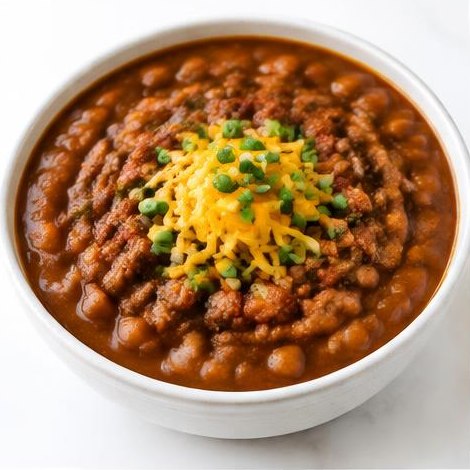
Instead of
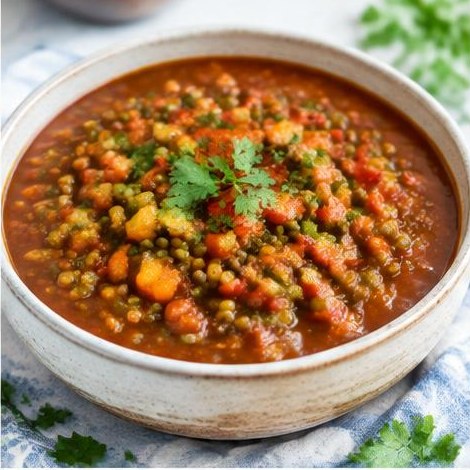
Fold fully cooked mung beans into a tomato chili for its final simmer.
Flavor & texture: Smaller beans and a gentler earthy flavor; less creamy than pinto.
Nutritional advantages are not quantified for this swap; use the linked recipe’s actual portion estimates.
Matching recipe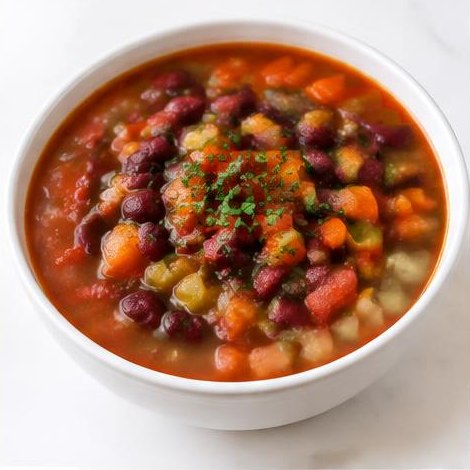
Instead of
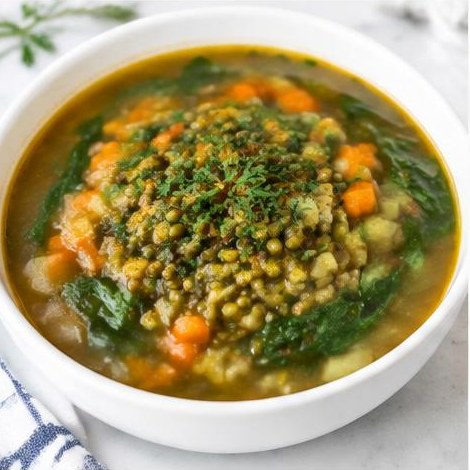
Use tender cooked mung beans in broth with carrots and celery.
Flavor & texture: Smaller bites and a softer skin; simmer gently to avoid breaking them.
Nutritional advantages are not quantified for this swap; use the linked recipe’s actual portion estimates.
Matching recipe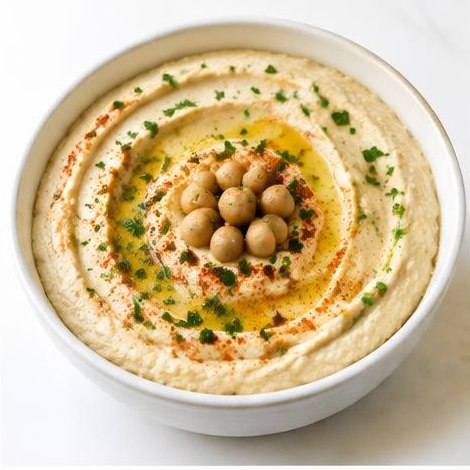
Instead of
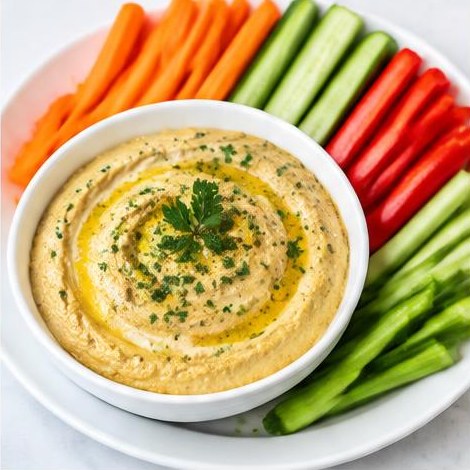
Blend very tender cooked beans with tahini, lemon and water.
Flavor & texture: A mild, grassy flavor; adjust water for a smooth texture.
Nutritional advantages are not quantified for this swap; use the linked recipe’s actual portion estimates.
Matching recipe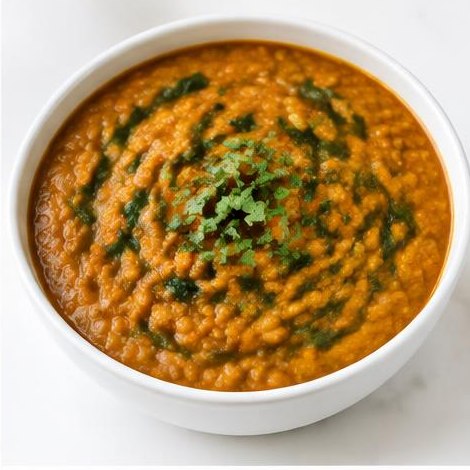
Instead of
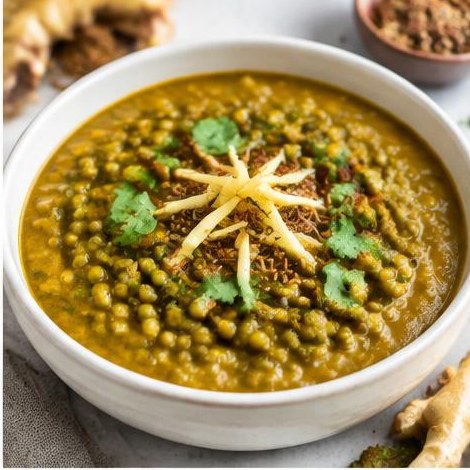
Use cooked whole beans in the curry base, not the same dry cooking time.
Flavor & texture: Whole beans hold their shape more than red lentils.
Nutritional advantages are not quantified for this swap; use the linked recipe’s actual portion estimates.
Matching recipe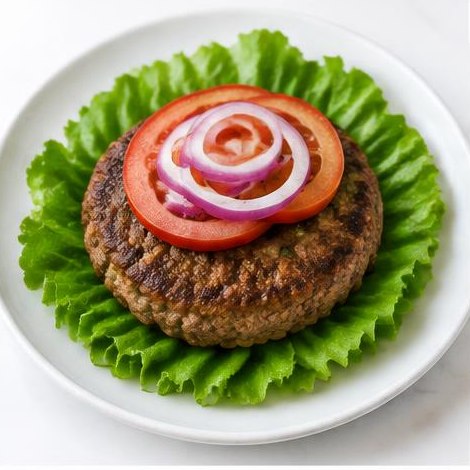
Instead of
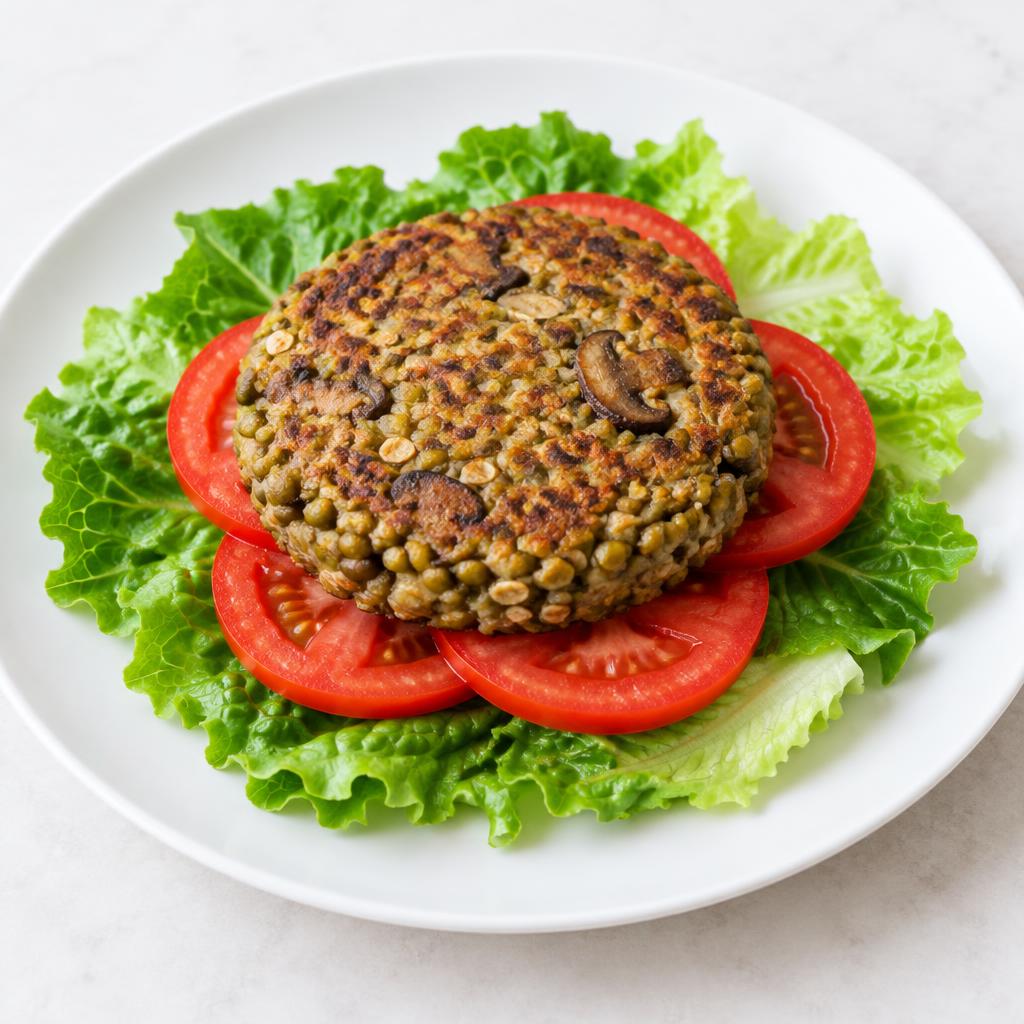
Mash beans with cooked mushrooms and oats; form firm patties.
Flavor & texture: Tender rather than meaty; cool the mixture and handle gently.
Nutritional advantages are not quantified for this swap; use the linked recipe’s actual portion estimates.
Matching recipe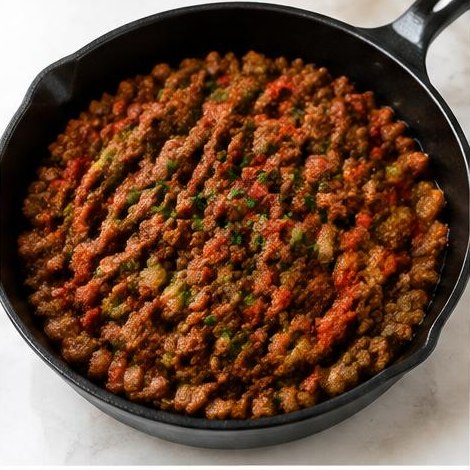
Instead of
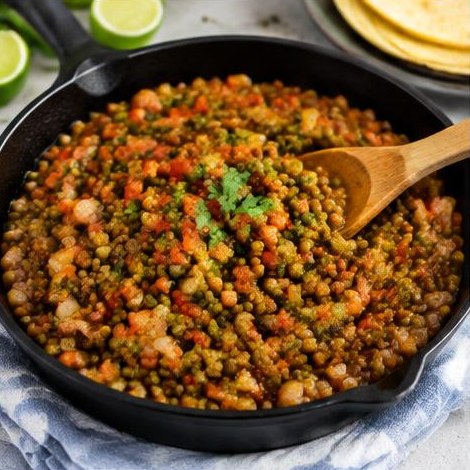
Lightly mash beans with mushrooms, cumin and tomato.
Flavor & texture: Chunky and earthy, with a softer bite than browned meat.
Nutritional advantages are not quantified for this swap; use the linked recipe’s actual portion estimates.
Matching recipe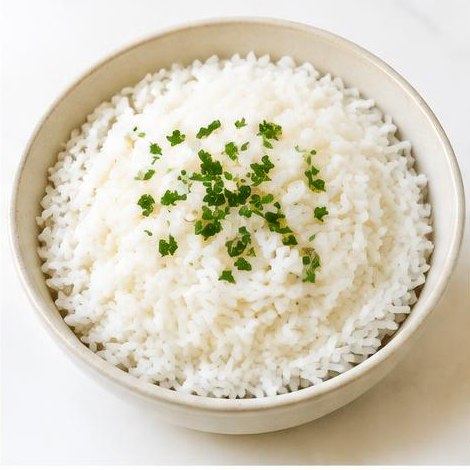
Instead of
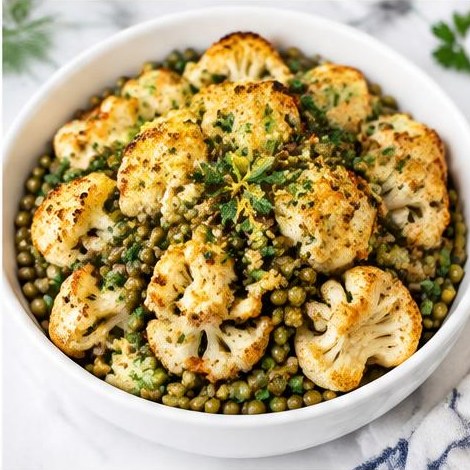
Replace part of a bowl’s rice with cooked whole beans and vegetables.
Flavor & texture: A nutty bean bite instead of fluffy grains; carbs still count.
Nutritional advantages are not quantified for this swap; use the linked recipe’s actual portion estimates.
Matching recipe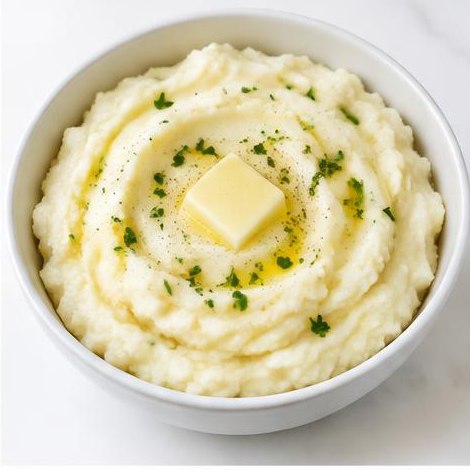
Instead of
Mash cooked mung beans into a vegetable mash; add water a spoonful at a time.
Flavor & texture: More rustic and earthy, not a one-for-one potato texture.
Nutritional advantages are not quantified for this swap; use the linked recipe’s actual portion estimates.
Matching recipe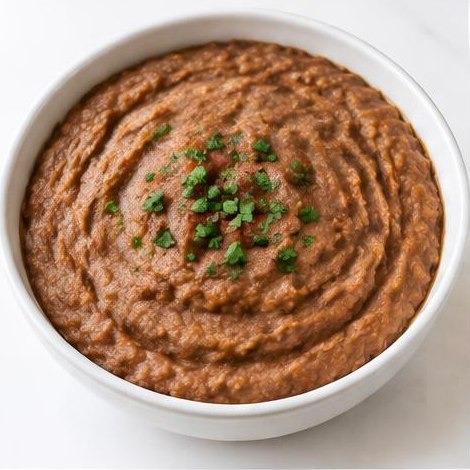
Instead of
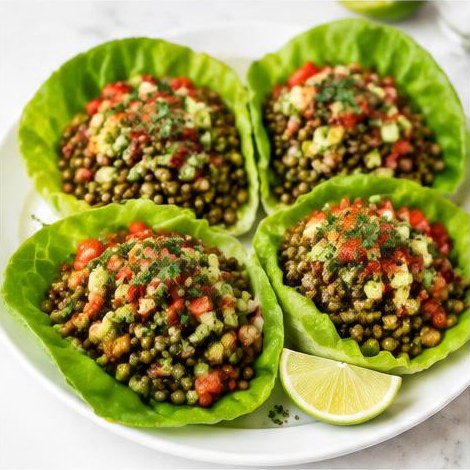
Mash cooked beans in a skillet with measured oil and a little water.
Flavor & texture: Soft, spreadable filling with small visible green skins.
Nutritional advantages are not quantified for this swap; use the linked recipe’s actual portion estimates.
Matching recipe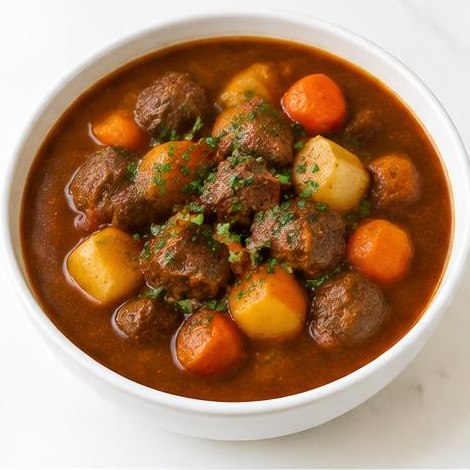
Instead of
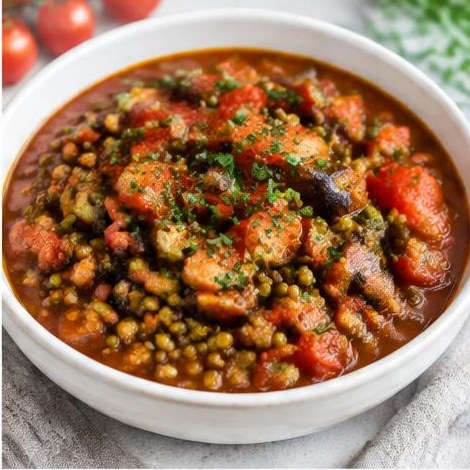
Add cooked beans toward the end of a vegetable stew.
Flavor & texture: Lighter, softer bites; do not treat beans as equal grams of meat protein.
Nutritional advantages are not quantified for this swap; use the linked recipe’s actual portion estimates.
Matching recipe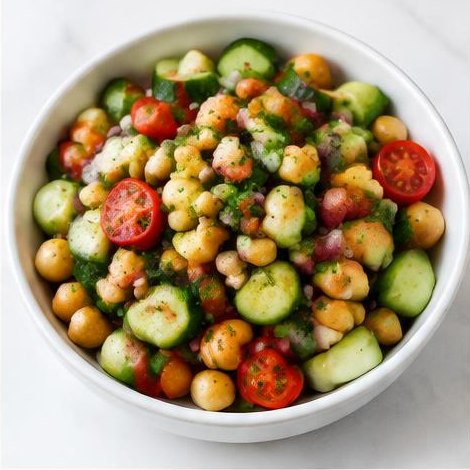
Instead of
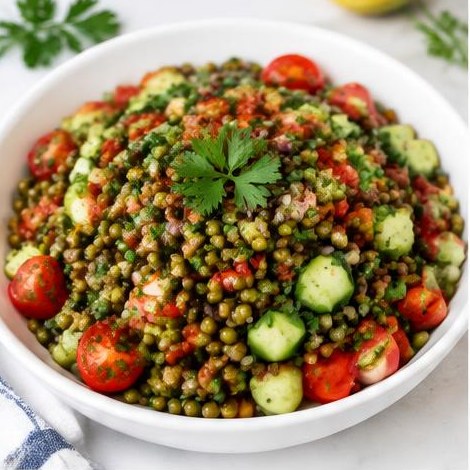
Cool fully cooked beans and fold into chopped vegetables.
Flavor & texture: Smaller and less firm than chickpeas.
Nutritional advantages are not quantified for this swap; use the linked recipe’s actual portion estimates.
Matching recipe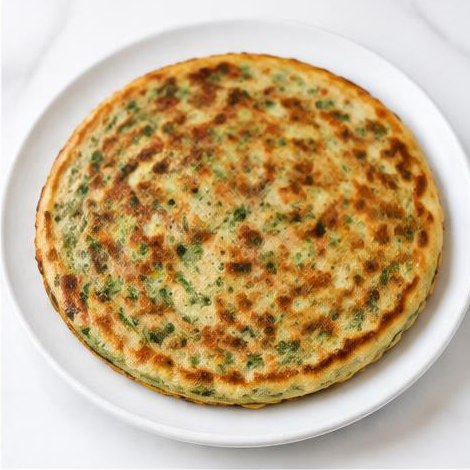
Instead of
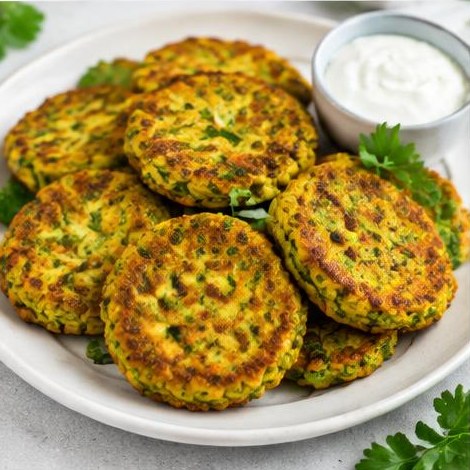
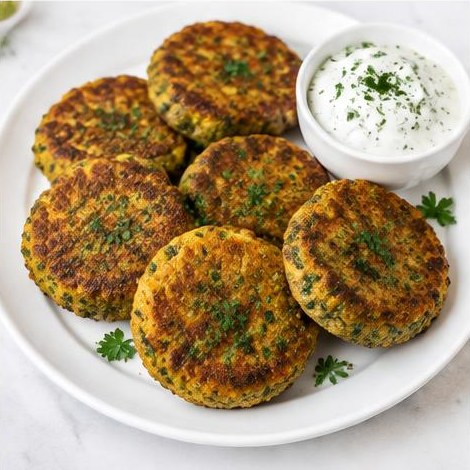
Mash cooked beans with oats and some whole-wheat flour; make small fritters.
Flavor & texture: More tender and less elastic; not a validated baking-flour conversion.
Nutritional advantages are not quantified for this swap; use the linked recipe’s actual portion estimates.
Matching recipe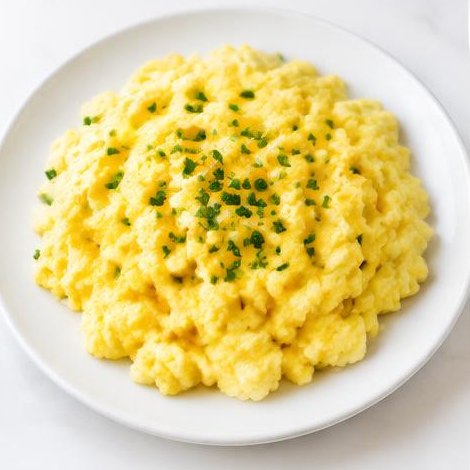
Instead of
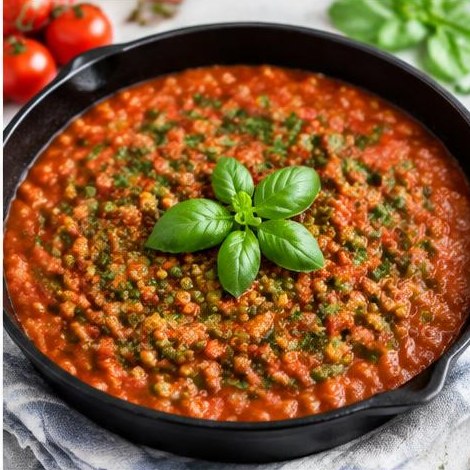
For an egg-like scramble, use a suitable split-mung preparation and its tested recipe. This linked whole-bean skillet is an alternative meal, not an egg substitute formula.
Flavor & texture: Whole beans do not set or bind like eggs; commercial products have their own labels.
Nutritional advantages are not quantified for this swap; use the linked recipe’s actual portion estimates.
Matching recipe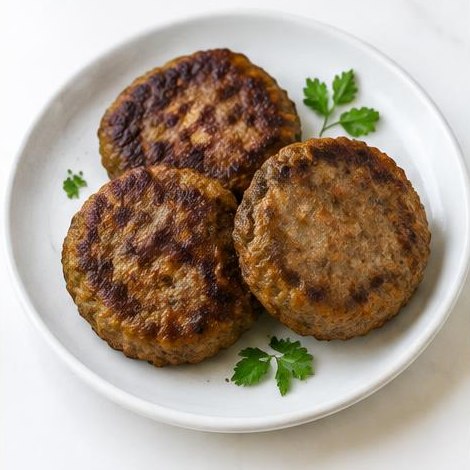
Instead of
Use cooked bean-and-oat patties as a savory breakfast component.
Flavor & texture: A soft herb-forward patty, not sausage texture or identical protein.
Nutritional advantages are not quantified for this swap; use the linked recipe’s actual portion estimates.
Matching recipe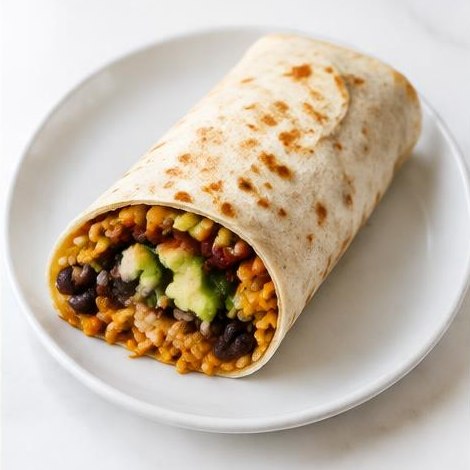
Instead of
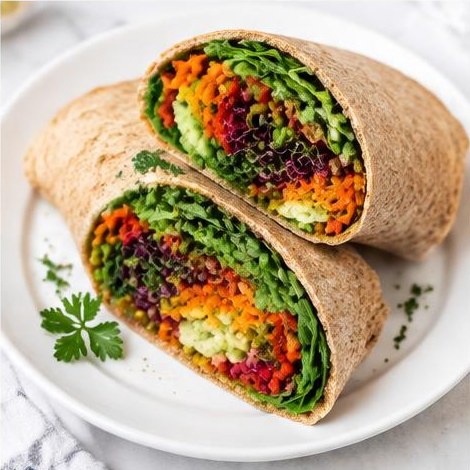
Use drained, cooked beans with crisp vegetables and avocado.
Flavor & texture: Small beans make a tidy filling; the tortilla contributes carbs and sodium.
Nutritional advantages are not quantified for this swap; use the linked recipe’s actual portion estimates.
Matching recipe
Instead of
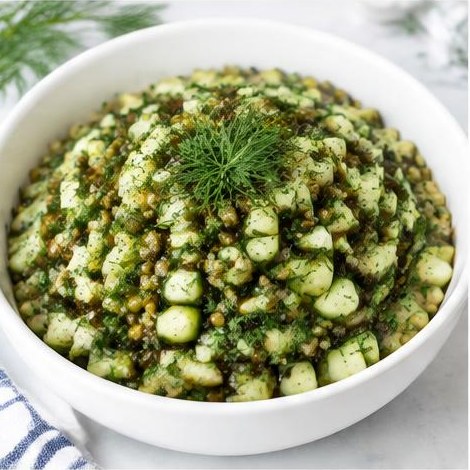
Build the salad around cooked beans and vegetables rather than pasta.
Flavor & texture: A creamy, tender bean salad, not the chew of pasta.
Nutritional advantages are not quantified for this swap; use the linked recipe’s actual portion estimates.
Matching recipePart 07
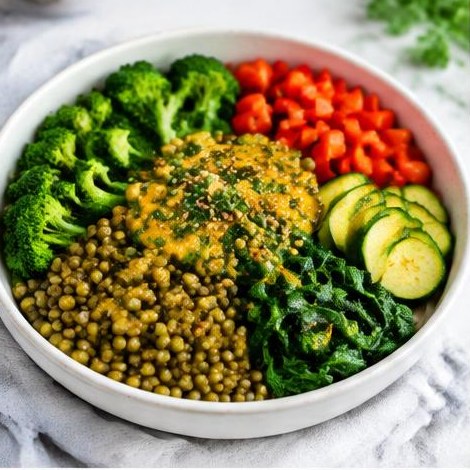
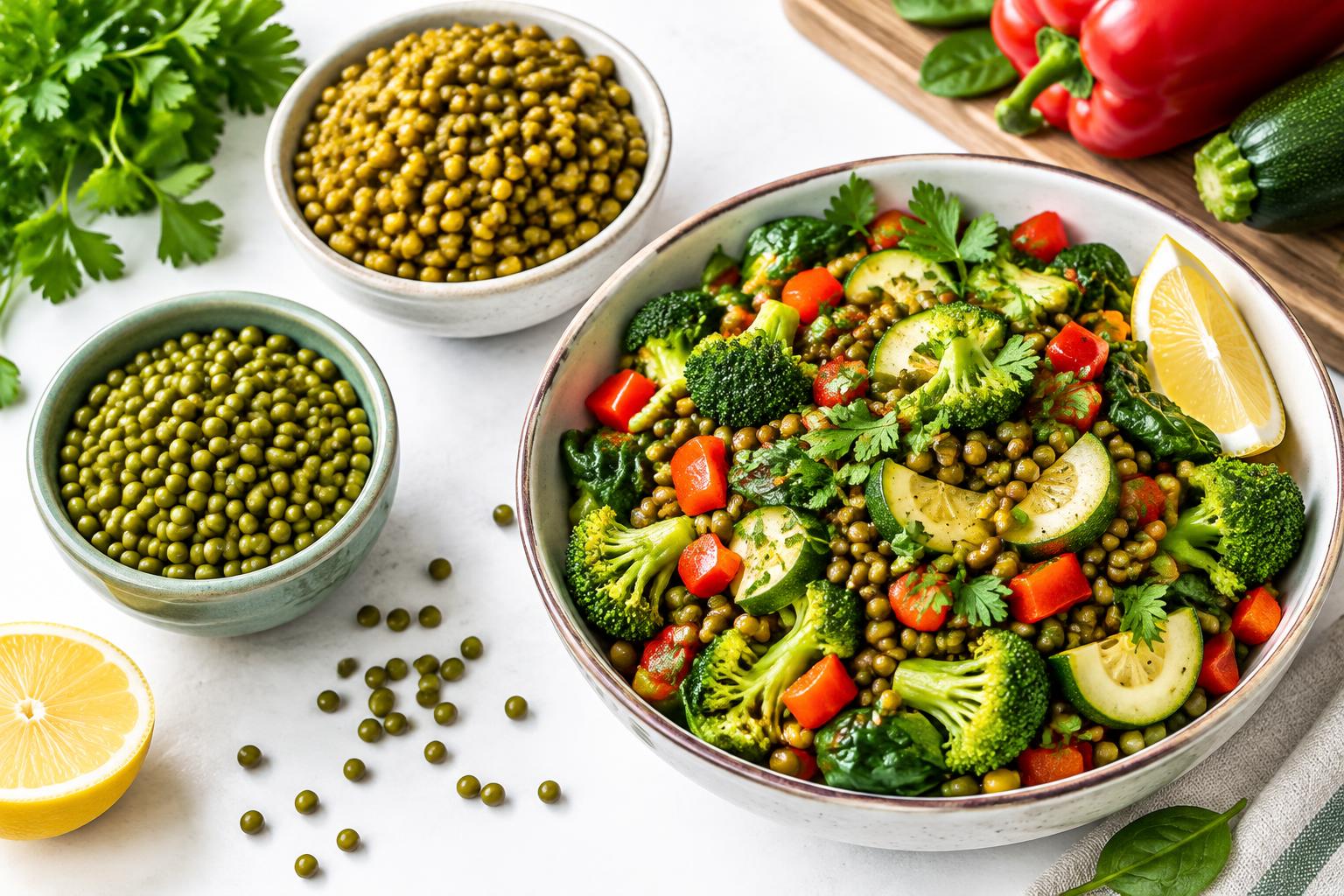
Four equal servings, each with ½ cup of cooked mung beans. Broccoli, pepper, zucchini and spinach meet garlic, ginger, cumin, turmeric, lemon and parsley in a warm olive-oil skillet.
Household volumes use USDA gram equivalents; weigh ingredients for the closest match. No sweetener-containing ingredients are added, but the legacy source records do not establish a verified added-sugar total. Added sugars remain unavailable rather than automatically marked zero. The full recipe uses the usual nutrition label, serving controls, storage tips, meal planning, shopping and signed-in print/save features.
Golden cumin and turmeric coat tender whole beans and crisp vegetables.
30 min · Yield: 4 portions; One quarter of the bowl, including ½ cup (101 g) cooked mung beans and one quarter of all vegetables · Servings: 4
Serving size: One quarter of the bowl, including ½ cup (101 g) cooked mung beans and one quarter of all vegetables
Contains:
Checking recorded nutrition updates…
Estimated, not professionally reviewed. Changes to ingredients or portions change nutrition.
Sum each USDA per-100-g value times its edible grams, then divide by 4. Eight nutrients estimated. Mung beans, mature seeds, cooked, boiled, without salt: 404 g, https://fdc.nal.usda.gov/food-details/174257/nutrients; Oil, olive, salad or cooking: 13.5 g, https://fdc.nal.usda.gov/food-details/171413/nutrients; Broccoli, raw: 182 g, https://fdc.nal.usda.gov/food-details/170379/nutrients; Peppers, sweet, red, raw: 119 g, https://fdc.nal.usda.gov/food-details/170108/nutrients; Squash, summer, zucchini, includes skin, raw: 196 g, https://fdc.nal.usda.gov/food-details/169291/nutrients; Spinach, raw: 60 g, https://fdc.nal.usda.gov/food-details/168462/nutrients; Garlic, raw: 6 g, https://fdc.nal.usda.gov/food-details/169230/nutrients; Spices, ginger, ground: 2 g, https://fdc.nal.usda.gov/food-details/170926/nutrients; Spices, cumin seed: 2.1 g, https://fdc.nal.usda.gov/food-details/170923/nutrients; Spices, turmeric, ground: 1.5 g, https://fdc.nal.usda.gov/food-details/172231/nutrients; Lemon juice, raw: 30.5 g, https://fdc.nal.usda.gov/food-details/167747/nutrients; Parsley, fresh: 15 g, https://fdc.nal.usda.gov/food-details/170416/nutrients; Spices, pepper, black: 0.5 g, https://fdc.nal.usda.gov/food-details/170931/nutrients. Whole cooked beans are not sprouts or split dal. Added-sugar values are not established by the SR Legacy records and remain unavailable in canonical screening; no automatic verified claim. Golden bowl uses USDA household equivalents: cooked beans 404 g, broccoli 182 g, pepper 119 g, zucchini 196 g, spinach 60 g, oil 13.5 g, garlic 6 g, ginger 2 g, cumin 2.1 g, turmeric 1.5 g, lemon 30.5 g, parsley 15 g, pepper 0.5 g. No professional review or measured finished yield claimed.
USDA FoodData Central SR Legacy, weighed ingredientsSource data checked 2026-11-02; no professional review documented.
Part 08
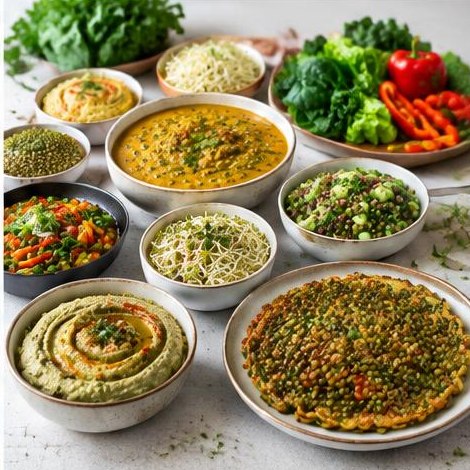
Whether you’re looking for a quick, refreshing lunch or a hearty, satisfying dinner, mung beans can bring flavor, variety, and valuable nutrition to your table. Explore our growing collection of delicious recipes designed with heart health and balanced eating in mind.
Mediterranean Mung Bean Salad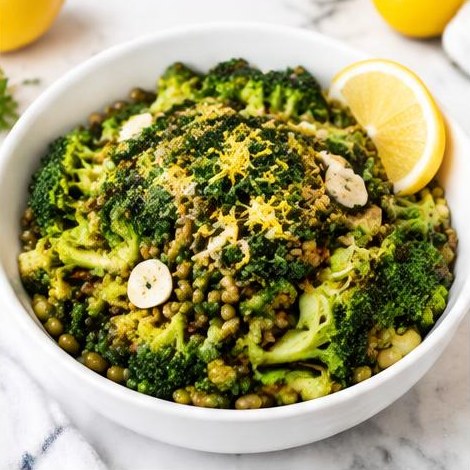 Lemon Garlic Mung Bean BowlMung Bean Hummus with Fresh Vegetables
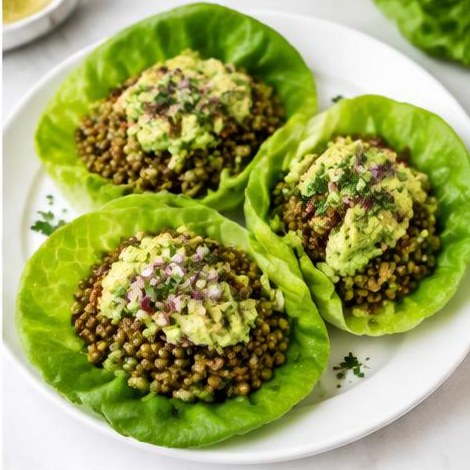 Mung Bean and Avocado Lettuce WrapsChilled Mung Bean Cucumber SaladMung Bean Taco Lettuce Cups
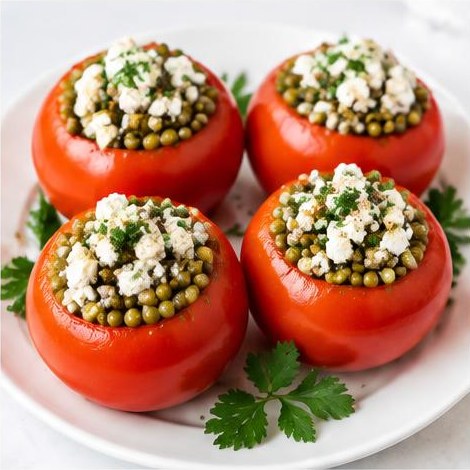 Greek Mung Bean Stuffed Tomatoes
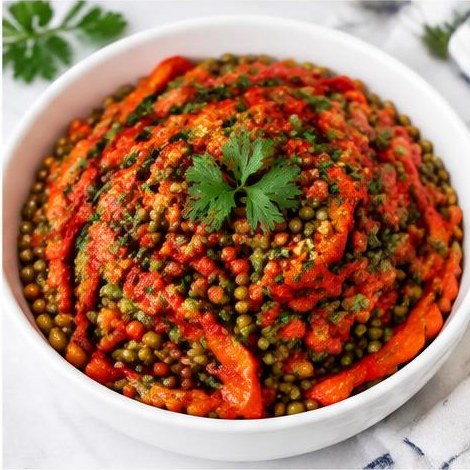 Mung Bean and Roasted Pepper SaladMung Bean Vegetable Soup
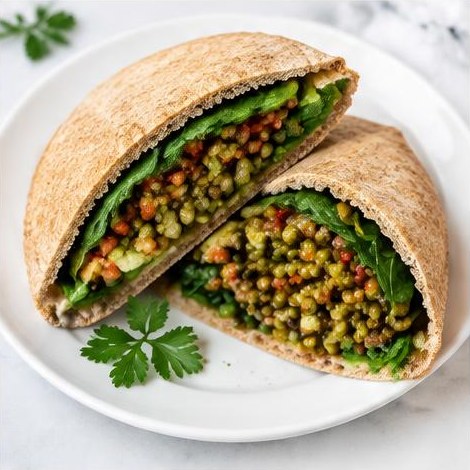 Mung Bean and Spinach Pita Pockets
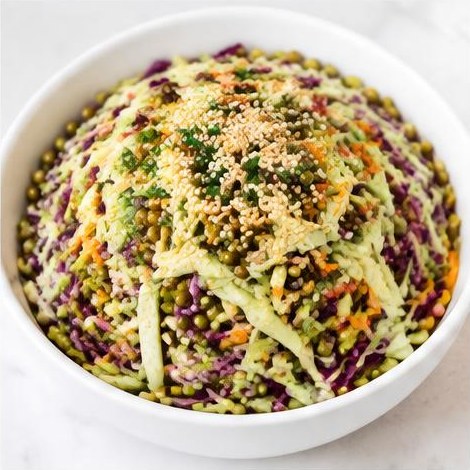 Ginger Sesame Mung Bean SaladMung Bean and Cauliflower Power Bowl
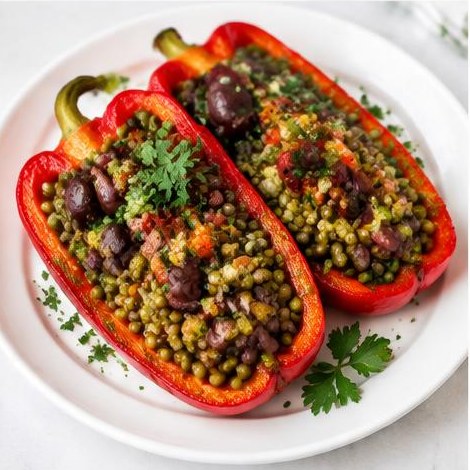 Mung Bean Mediterranean Stuffed PeppersMung Bean and Herb PattiesMung Bean Rainbow Vegetable WrapGolden Mung Bean and Vegetable Power BowlHearty Mung Bean Vegetable ChiliMung Bean and Mushroom BurgersIndian-Inspired Mung Bean Dal
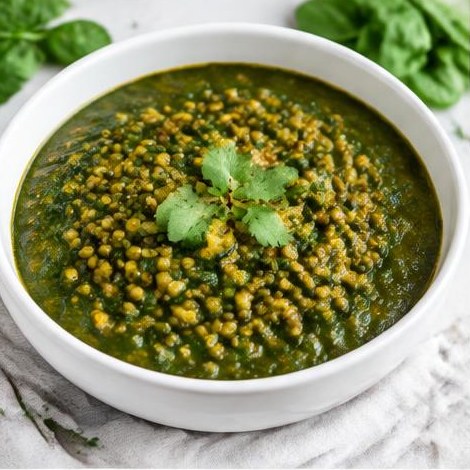 Mung Bean and Spinach Curry
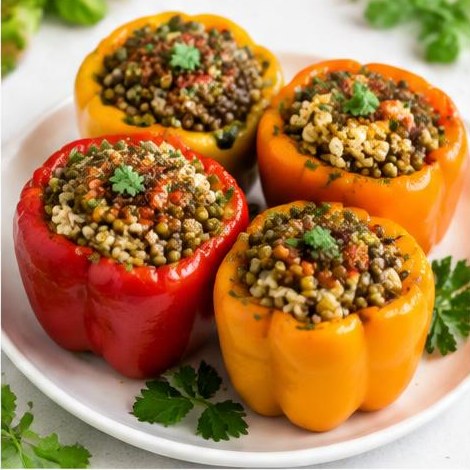 Mung Bean Stuffed Bell PeppersMediterranean Mung Bean Stew
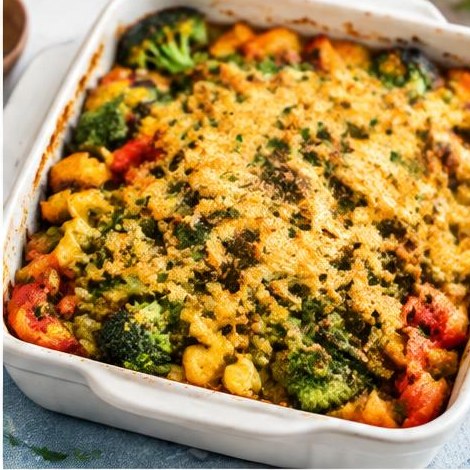 Mung Bean and Roasted Vegetable CasseroleMung Bean Taco Filling
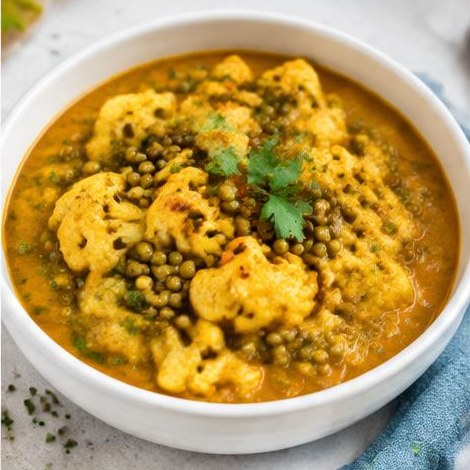 Mung Bean and Cauliflower Curry
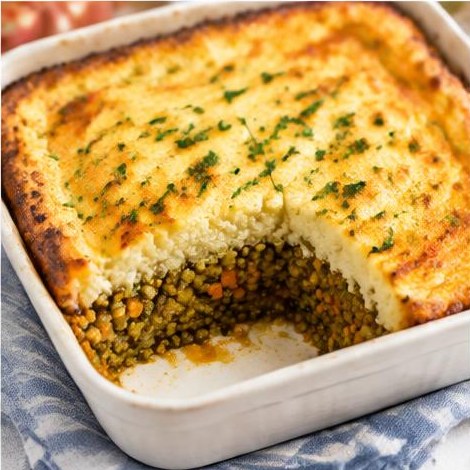
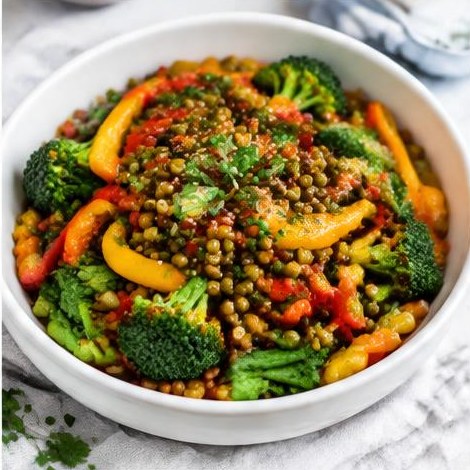 Mung Bean Vegetable Stir-FryMung Bean and Tomato SkilletMung Bean and Zucchini FrittersMung Bean Shepherd’s Pie with Cauliflower Topping
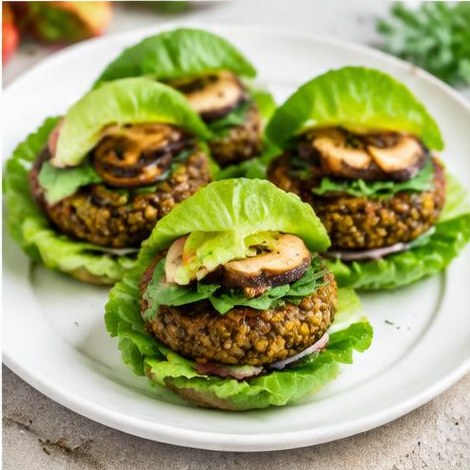 Mung Bean and Mushroom Lettuce-Wrapped Sliders
USDA nutrient records were checked against the official SR Legacy dataset on November 2, 2026. Population guidance from ADA and AHA supports balanced eating patterns, not a guarantee about one food. The mung-specific review includes laboratory and animal research; pulse-trial evidence is not a mung-versus-pinto glucose trial. Educational content and formulations have not had professional medical or kitchen review.