

Sauces
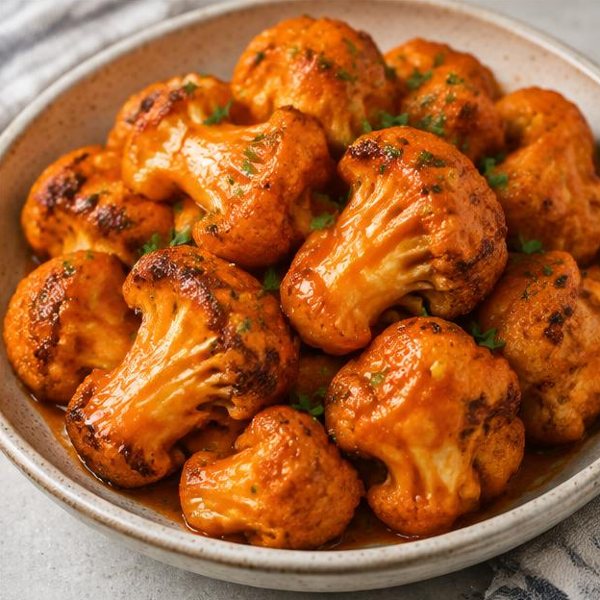
Lighter Buffalo Sauce
Classic cayenne hot sauce tamed with Greek yogurt and a little olive oil instead of butter.
How to Use This Sauce
- Primary use
- Chicken and cauliflower
- Best with
- Baked chicken, Roasted cauliflower, Wraps
- Other ways to use it
- Sliders, Vegetable dip mixed with yogurt, Bowls
- Suggested amount
- 1 tablespoon per serving of chicken or cauliflower
- Flavor
- Spicy · Tangy
- Texture
- Smooth, pourable
- Batch yield
- About 125 g prepared (8 servings of 1 tablespoon (about 15 g))
- Serving size
- 1 tablespoon (about 15 g) · 8 servings per batch
Allergens: Milk. Always check the labels of the products you buy.
Use This Sauce With
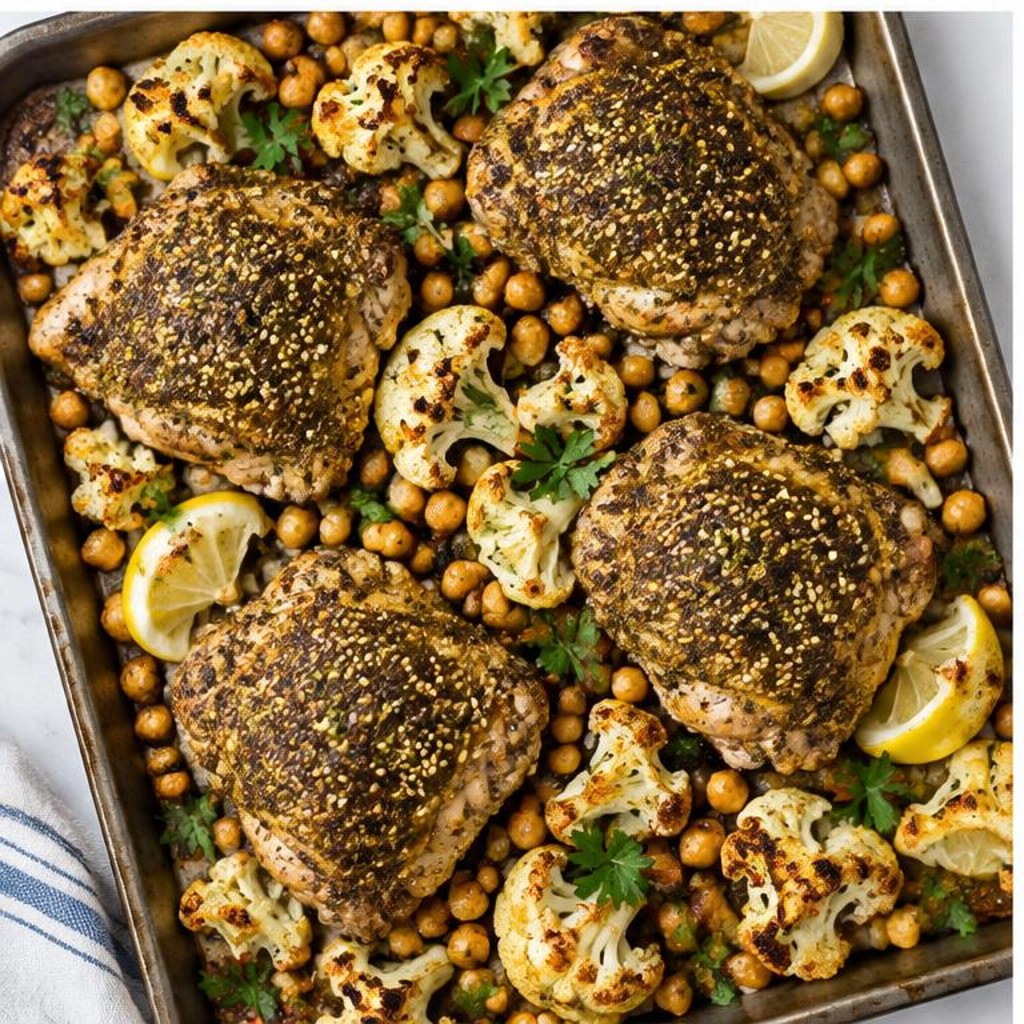
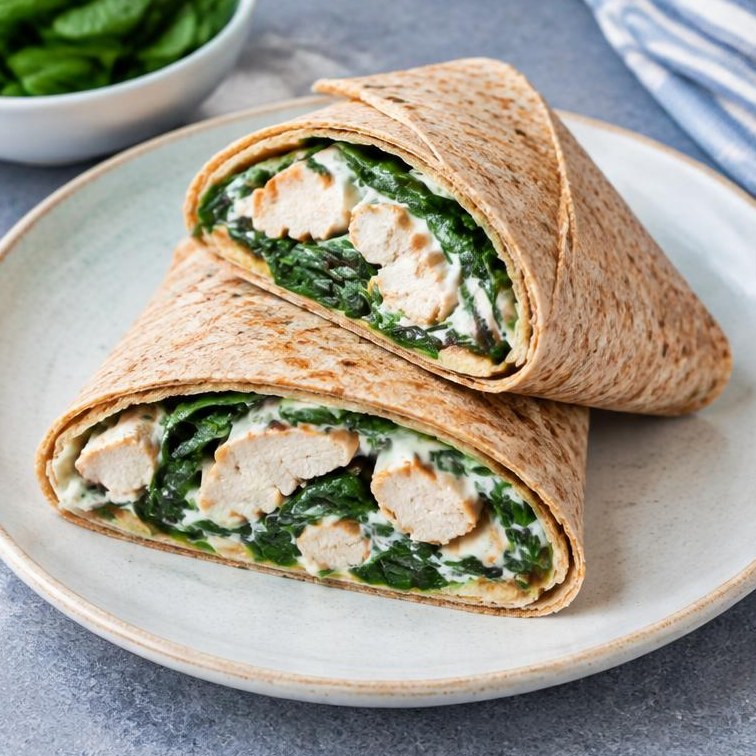
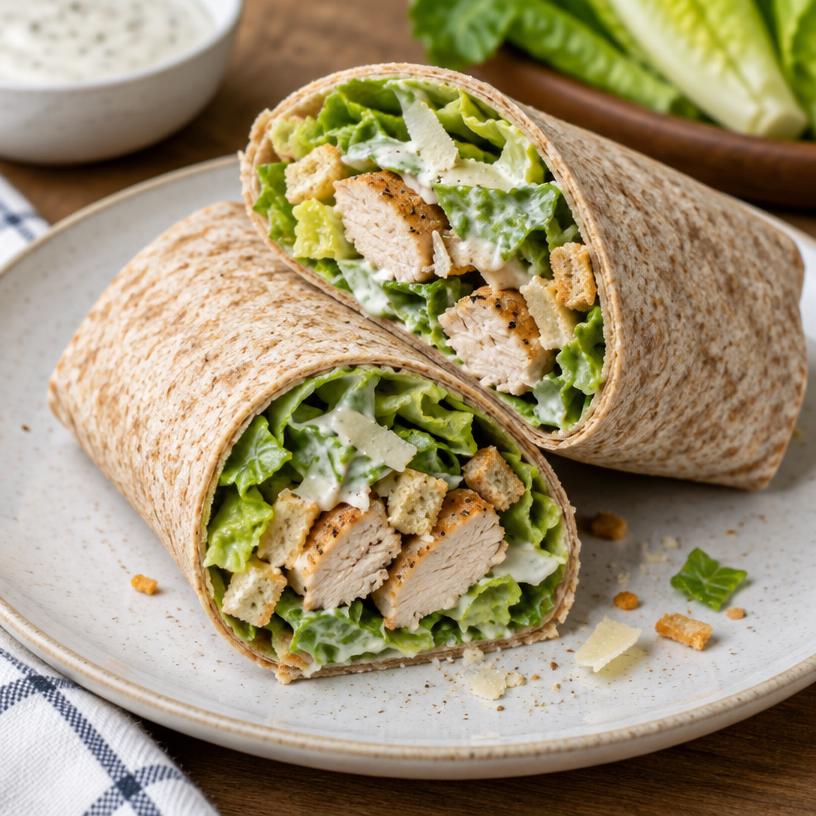


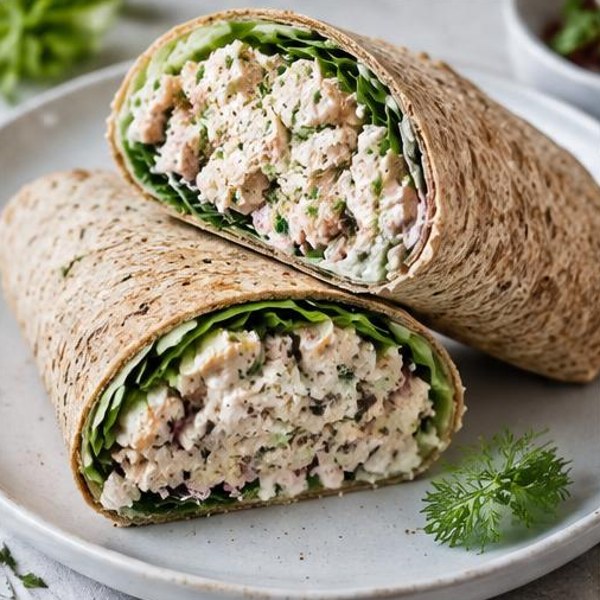

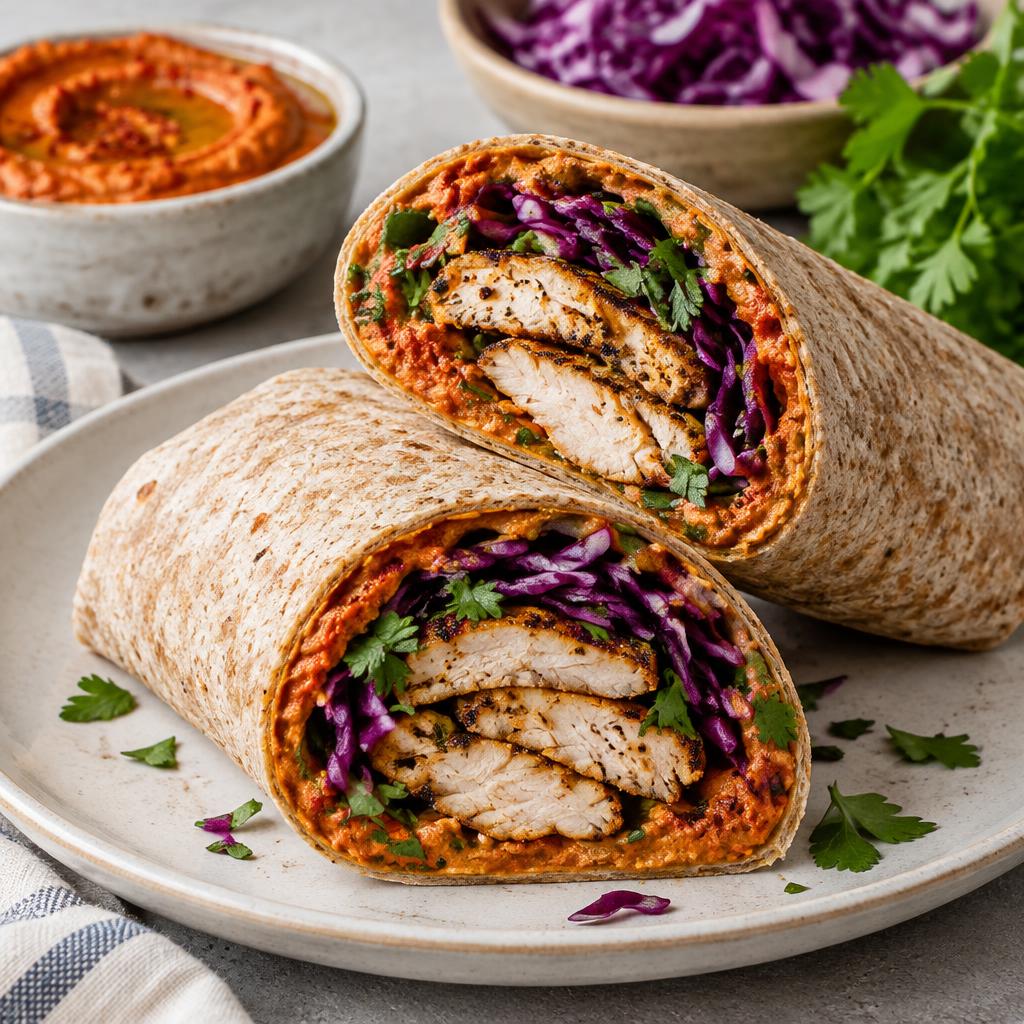
- Full recipe
- About 125 g prepared (8 servings of 1 tablespoon (about 15 g))
- Serving size
- 1 tablespoon (about 15 g)
- Servings per batch
- 8
Servings to prepare changes how much you cook; it never changes the size of one serving. My portion (in My Week) changes your planned nutrition.
Contains: Milk
Ingredients
Preparing: 2 servings
Tick anything you already have.
Sweetness choices — tap to lower sugar
Use the listed ingredients and amounts. Nutrition, saved shopping and meal planning remain based on this version.
Preparation guidance only. When a supported swap is chosen, Nutrition per serving below shows the adjusted values; filters, sugar screening, exports, Shopping and My Week stay based on the written recipe. A different sweetener does not establish diabetes suitability; total carbs, portion and verified sugars still matter.
Sugar alcohols may cause digestive symptoms; keep xylitol away from dogs. Aspartame must be avoided with PKU. No substitute is universally the healthiest choice.
Instructions
Heart-healthy tips
- Use about 1 tablespoon per serving of chicken or cauliflower. Nutrition below is for 1 tablespoon (about 15 g), not the whole batch.
- Includes a prepared product (such as soy sauce, mustard, broth or mayonnaise) whose added sugars are not reported separately; check your product label.
- Wear gloves when handling hot peppers and keep hands away from eyes. Use less pepper for a milder sauce.
Storage & Meal Prep Tips
Applies to: Cooked sauce, after cooking. Times assume safe preparation, prompt cooling when needed, a refrigerator at 40°F / 4°C or below, and a freezer at 0°F / -18°C or below.
Refrigerator: After cooking: refrigerate and use within 3–4 days. Cool promptly in small, shallow containers and refrigerate within 2 hours (1 hour above 90°F / 32°C).
Freezer: Freezer-Friendly. Best quality within 2–3 months.
To thaw: Thaw in the refrigerator — never on the counter.
To reheat or serve: Bring sauces to a rolling boil, stirring, before serving warm. Stir or re-blend if it separates.
After thawing: After thawing in the refrigerator: use within 3–4 days.
Meal prep tip: Freeze in ice-cube trays or small containers with headspace, then bag the cubes. Label packages with the recipe name, portion, and date frozen.
Raw dough / unbaked option: Coconut or yogurt-finished sauces may separate after thawing; whisk or re-blend.
Storage guidance sources
- FoodSafety.gov — Cold Food Storage Chart
- FDA — Safe Food Handling
- USDA FSIS — The Big Thaw: Safe Defrosting Methods
- National Center for Home Food Preservation — Packaging and Labeling Foods
Category guidance matched to this recipe's preparation state; sources checked 2026-10-24. This is not a laboratory shelf-life test of the exact recipe.